Watery dog poop is one of the most common reasons owners panic-search at midnight, and most of the time it resolves within a day or two with the right home approach. But watery stool can also be the first sign of infection, parasites, or something more serious — so knowing which is which matters. This guide covers the six most common causes of watery dog poop, a 24-hour bland diet protocol that actually works, and the specific signs that mean stop home care and call the vet today.
What Watery Dog Poop Is Telling You
Watery stool means the colon didn’t have time to absorb water from the food, or the gut is actively secreting fluid because of inflammation or irritation. The cause can be as simple as your dog raiding the trash or as serious as parvo or pancreatitis. Most cases are mild dietary upset, but the 10% that aren’t deserve attention. For a deeper look at the full range of diarrhea types, see our guide on dog diarrhea causes and when to call the vet.
6 Best Causes of Watery Dog Poop
1. Dietary Indiscretion
This is the number-one cause. Your dog got into the trash, ate something off the sidewalk, sneaked table scraps, or found a half-buried treat from last week. The gut reacts by flushing it out fast, and you get watery dog poop for a day or so. Usually self-limiting if the dog is otherwise acting normal.
2. Sudden Food Change
Switching foods cold-turkey almost always causes loose stool. Even high-quality foods need a 7-10 day transition. If you started a new bag of food in the last week, that’s likely your answer. Slow down the transition, mix old and new 50/50 for several days, and the stool typically firms back up.
3. Bacterial or Viral Infection
Bugs like Salmonella, Campylobacter, or viruses like parvo can cause watery diarrhea, sometimes with blood, vomiting, and fever. Parvo is the emergency here — unvaccinated puppies with watery diarrhea need a same-day vet visit, no exceptions. The AVMA’s canine parvovirus information is worth a read if you have a puppy.
4. Parasites
Giardia, hookworms, whipworms, and roundworms all cause watery or loose stool, sometimes intermittently for weeks. If your dog has had on-and-off watery dog poop for more than two weeks, a fecal test is overdue. Our guide on worms in dog poop and treatment covers what to look for.
5. Stress Colitis
Boarding, travel, a new pet, fireworks, or a move can all trigger stress-induced colitis. The watery stool often shows up 24-48 hours after the stressor and may include mucus or small amounts of blood. Usually resolves within 2-3 days as the dog settles. Read more in our piece on mucus in dog poop causes.
6. Inflammatory Bowel Disease (IBD)
Chronic, recurring watery dog poop — especially with weight loss, intermittent vomiting, or visible discomfort — can point to IBD or food sensitivities. This is the diagnosis vets reach for when other causes have been ruled out. If diarrhea keeps coming back every few weeks no matter what you do, ask about IBD.
The 24-Hour Bland Diet Protocol
If your adult dog has watery dog poop but is acting normal — eating, drinking, alert — here’s the protocol that actually works:
- Hours 0-12: Withhold food. Offer small amounts of water frequently. (Skip this fast for puppies under 6 months, seniors, and small breeds — go straight to step 2.)
- Hours 12-24: Start bland diet. Plain boiled boneless skinless chicken breast and plain white rice, ratio about 1 part chicken to 2 parts rice. Feed small portions every 4-6 hours.
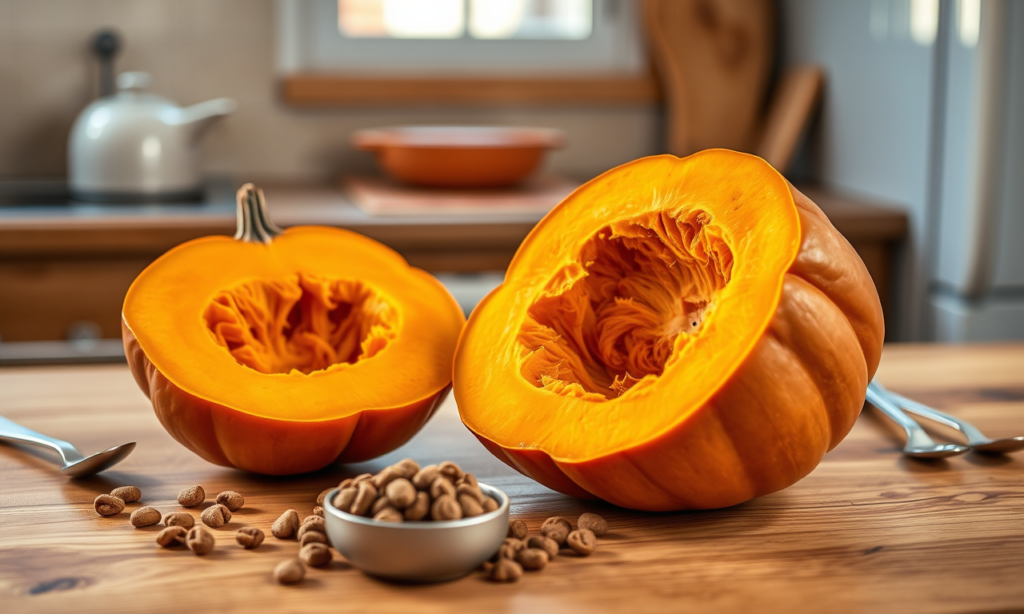
- Hours 24-48: Continue bland diet if stool is improving. Add a tablespoon of plain canned pumpkin (not pie filling) per 20 lbs of dog to support stool formation.
- Hours 48-72: Begin transitioning back to regular food. Mix 25% normal food with 75% bland on day 1, then 50/50, then 75/25.
- Day 4-5: Back on regular food.
What to Watch for During Home Care
| Sign | What It Means |
|---|---|
| Stool firming up by hour 24 | On track, continue protocol |
| Still watery after 48 hours | Call vet |
| Blood in stool | Call vet today |
| Vomiting alongside diarrhea | Call vet today |
| Lethargy or weakness | Emergency vet now |
| Skin tenting (dehydration) | Emergency vet now |
Vet Triggers: When Home Care Is Not Enough
Stop home care and call the vet same-day if any of these appear:
- Watery diarrhea in a puppy under 6 months
- Watery diarrhea in a senior dog or one with chronic conditions
- Vomiting more than once or twice
- Blood (red or black/tarry — see black tarry stool causes)
- Lethargy, weakness, or unresponsiveness
- Signs of dehydration: dry gums, sunken eyes, skin that doesn’t snap back when pinched
- Fever (normal dog temp is 100-102.5°F)
- Watery stool persisting beyond 48 hours despite bland diet
- Suspected toxin ingestion
- Recent introduction of a new medication
Preventing Recurrence
Once your dog is back on regular food, a few habits cut down on repeat episodes:
- Transition foods slowly — always at least 7 days when changing brands or protein sources.
- Lock the trash. A real lid or a closed pantry stops more diarrhea than any supplement.
- Keep up with parasite prevention. Monthly preventatives stop most parasitic causes.
- Reduce stress around predictable triggers (boarding, travel, vet visits) with familiar bedding and routine food.
- Consider a probiotic during and after antibiotic courses or stressful events.
If your dog also has trouble holding it between potty breaks during recovery, our guide on how long a dog can hold its poop may help with scheduling.
The Bottom Line
Most watery dog poop is a one-or-two-day inconvenience that resolves with a bland diet and patience. The cases that don’t — puppies, seniors, dogs with blood or vomiting, dogs showing dehydration or lethargy — are the ones that need a vet today, not tomorrow. The 24-hour bland diet protocol works for the majority of healthy adult dogs, but knowing the vet triggers is what separates a routine GI upset from a missed diagnosis.
This article is general information, not veterinary advice. If your dog is showing symptoms that concern you, contact your veterinarian.