Best dog food for firm stool isn’t a marketing claim — it’s a real category, because loose stool is one of the most common reasons owners switch foods. The best dog food for firm stool delivers the right fiber balance, easily digestible protein, and limited ingredients that don’t irritate the gut. This guide compares five honest picks across price points, explains why fiber matters more than protein for stool quality, and walks through how to actually transition foods without making things worse for a week.
What “Firm Stool” Actually Means
A healthy stool sits at a 2 or 3 on the Bristol-style fecal scoring chart used by vets: log-shaped, segmented, holds together when picked up, leaves little residue on the grass. Loose stool (4 to 7) means the colon isn’t pulling enough water out, which usually points to one of three things: too much fermentable fiber, food sensitivity, or transit time that’s too fast.
Firmness comes from a balance of soluble and insoluble fiber (roughly 3 to 5 percent total fiber on a dry-matter basis works for most dogs), moderate fat (10 to 15 percent), and a protein source the dog actually tolerates. More protein doesn’t mean firmer stool. In fact, very high-protein foods often produce softer, smellier stool because undigested protein ferments in the colon.

How We Compared These 5 Picks
We looked at fiber percentage, ingredient simplicity, presence of prebiotics or beet pulp (which firms stool without irritating), price per pound, and how widely available each is. We skipped boutique brands that aren’t AAFCO-statement-backed. If your dog has chronic watery stool, none of these are a substitute for a vet workup — but they’re a sensible starting point if the issue is mild and persistent.
1. Hill’s Science Diet Sensitive Stomach & Skin
This is the most-recommended firm-stool food by vets for a reason. Chicken-based, around 3.5 percent fiber, includes prebiotic fiber blend, and the formula has been clinically tested for stool quality. The downside is price (around $3 per pound at standard retail) and that it does contain chicken, which is the most common protein allergen in dogs.
Best for: dogs with mild loose stool and no known chicken sensitivity. Most dogs firm up within 7 to 10 days of full transition.
2. Purina Pro Plan Sensitive Skin & Stomach (Salmon)
Salmon and rice formula, about 4 percent fiber, includes live probiotics (the only major brand to guarantee live probiotic count to the bag). The salmon swap also helps dogs that don’t tolerate chicken. Pricing is reasonable at around $2.50 per pound and it’s available at almost every pet store.
Best for: dogs with chicken intolerance or chronic mild GI upset. The probiotic component genuinely helps stool consistency in our experience and is backed by published palatability and digestibility studies.
3. Iams ProActive Health Sensitive Digestion
The budget pick that actually works. Chicken and turkey base, around 4 percent fiber, includes beet pulp (a moderately fermentable fiber that’s excellent for stool firmness). At roughly $1.75 per pound, it’s accessible for multi-dog households or large breeds where premium food costs add up fast.
Best for: budget-conscious owners with dogs that have mild loose stool but no severe sensitivities. Not as ingredient-clean as the top two but the formula is solid and AAFCO-complete.
4. Blue Buffalo Basics Limited Ingredient (Turkey & Potato)
True limited-ingredient diet (LID) with a single novel-ish protein and a single carb. Around 5 percent fiber, no chicken, no beef, no dairy, no eggs. Useful if you suspect a food sensitivity is driving the loose stool and want to do a structured elimination. Price runs about $3 per pound.
Best for: dogs where you’ve already ruled out parasites and want to test for protein intolerance. Run it for 8 to 10 weeks to actually see results — LID diets need time. If mucus in the stool is part of the picture, this is often the formula that resolves it.
5. Generic Limited-Ingredient (Kirkland, Costco’s Nature’s Domain)
An honest mention of the warehouse-brand limited-ingredient line. Around 4 percent fiber, salmon or turkey-based options, AAFCO complete. Roughly $1.50 per pound, which makes it the cheapest LID option on the market. Quality control is reasonable and most dogs do well on it.
Best for: large breeds where premium LID food is financially unrealistic. Not a magic solution but a legitimate budget alternative that holds up against name brands on the actual nutrition panel.
How to Transition Without Making Things Worse
Switching foods too fast is the single most common cause of diarrhea after a food change. Use a 7- to 10-day transition:
- Days 1–3: 75% old food, 25% new
- Days 4–6: 50/50
- Days 7–9: 25% old, 75% new
- Day 10+: 100% new food
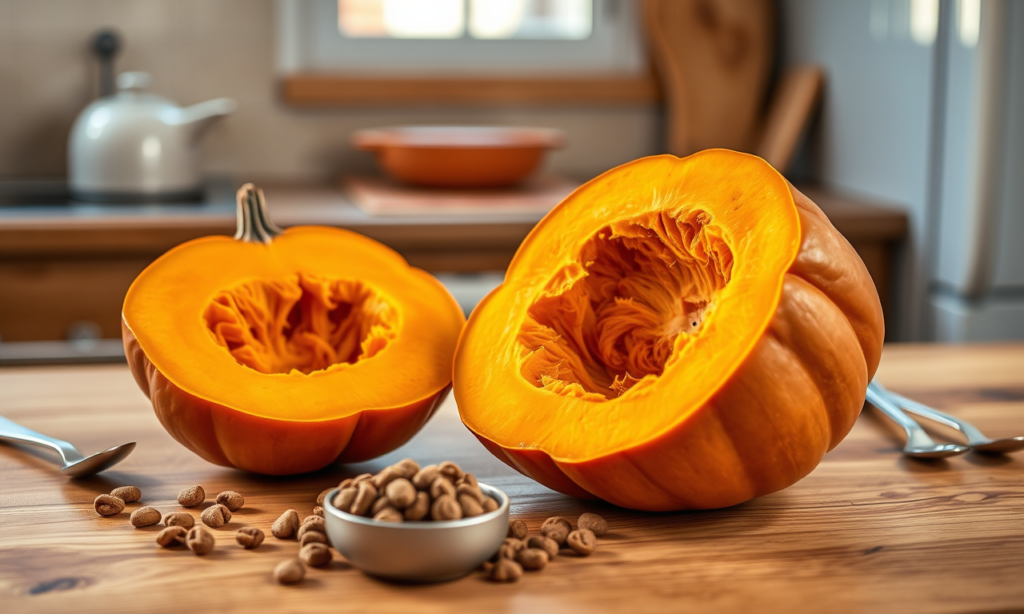
For dogs with sensitive stomachs, stretch this to 14 days. If stool gets worse during transition, slow down — don’t speed up — and add a teaspoon of plain canned pumpkin (not pie filling) to each meal for soluble fiber support. The American Veterinary Medical Association recommends gradual transitions specifically to prevent GI upset.
When Food Isn’t the Problem
Best dog food for firm stool only helps if food was the issue. If you’ve done a proper transition to two different formulas and stool is still loose after 4 to 6 weeks, the problem isn’t the kibble. Parasites, exocrine pancreatic insufficiency, inflammatory bowel disease, and giardia all produce chronic loose stool that doesn’t respond to dietary changes alone. A fecal test, a serum B12/folate panel, and possibly a TLI test will tell you more than another bag of food will. Also check whether your dog might be cycling between constipation and loose stool, which points to a different root cause entirely.
The Honest Bottom Line
If price is no object, start with Hill’s Science Diet Sensitive Stomach or Purina Pro Plan Sensitive. If chicken is suspect, go salmon-based. If you need budget, Iams ProActive or Kirkland LID will do the job for most dogs. If you’ve tried two formulas without success, stop buying more food and book a vet visit. The best dog food for firm stool can fix a real subset of cases — it can’t fix what isn’t a food problem.
This article is general information, not veterinary advice. If your dog is sick, talk to your vet.
One more note on best dog food for firm stool: the practical upshot is what we covered above. Best dog food for firm stool questions tend to have answers that vary by situation, and the best dog food for firm stool guidance in this post is intentionally written as a starting framework rather than a one-size answer.
One more note on best dog food for firm stool: the practical upshot is what we covered above. firm-stool food questions tend to have answers that vary by situation, and the firm-stool food guidance in this post is intentionally written as a starting framework rather than a one-size answer.
One more note on firm-stool food: the practical upshot is what we covered above. firm-stool food questions tend to have answers that vary by situation, and the firm-stool food guidance in this post is intentionally written as a starting framework rather than a one-size answer.
One more note on firm-stool food: the practical upshot is what we covered above. firm-stool food questions tend to have answers that vary by situation, and the firm-stool food guidance in this post is intentionally written as a starting framework rather than a one-size answer.
One more note on firm-stool food: the practical upshot is what we covered above. firm-stool food questions tend to have answers that vary by situation, and the firm-stool food guidance in this post is intentionally written as a starting framework rather than a one-size answer.
What to look for in the best dog food for firm stool
If you remember nothing else, the best dog food for firm stool is the one whose fiber content matches your specific dog: moderate fiber (3-5%) for most adult dogs, higher (5-8%) for dogs prone to soft stool, and lower (under 3%) only for dogs with documented fiber sensitivity.