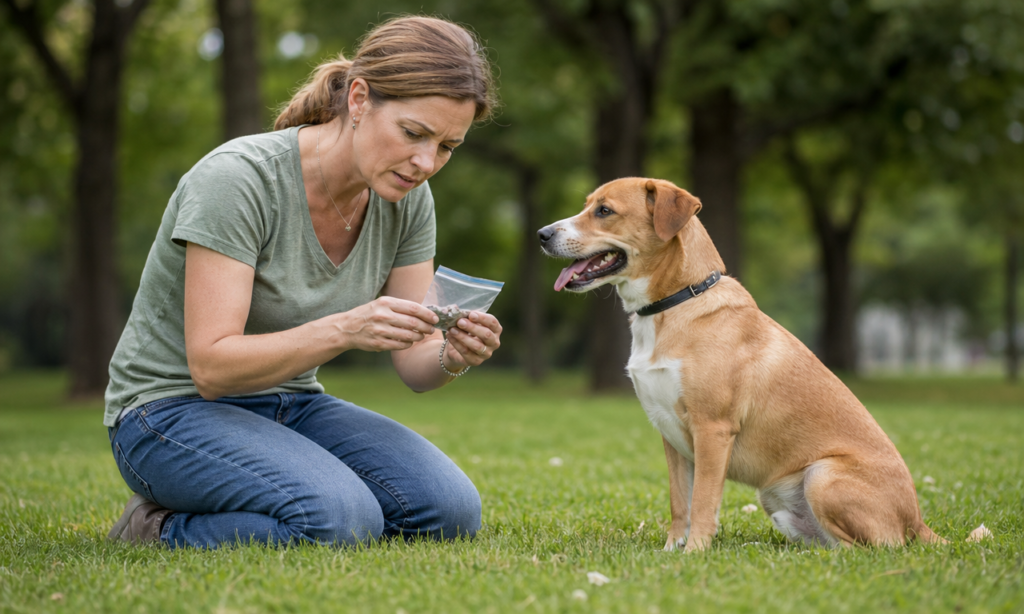
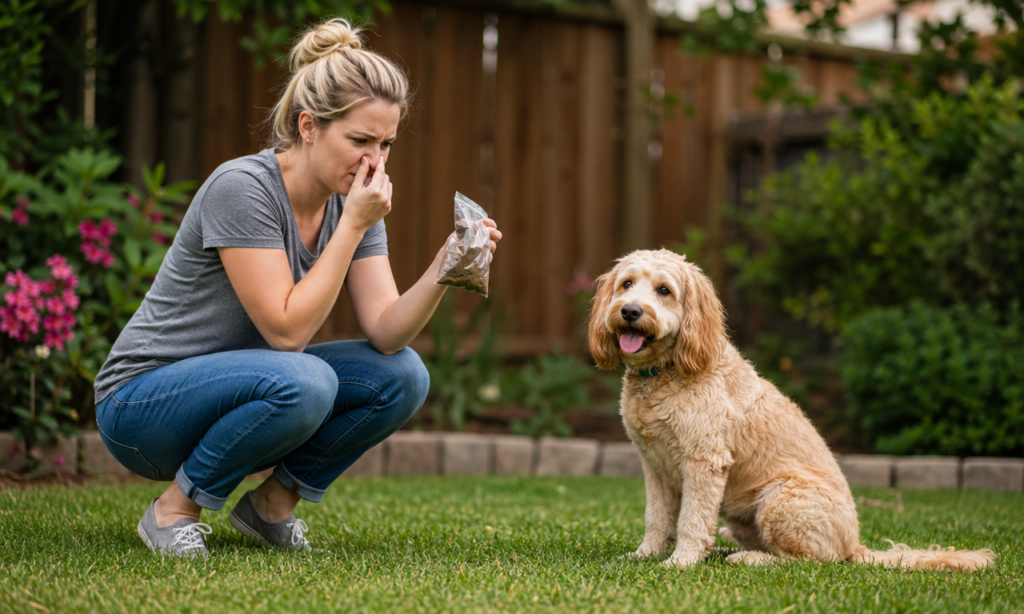
How long can a dog hold its poop is one of those questions every dog owner asks the first time they’re stuck in traffic with a guilty Labrador. The honest answer depends on age, size, diet, and how recent the last bathroom break was — but there are practical limits, and pushing past them is what causes the carpet stain you’re worried about.
Here’s the realistic breakdown by life stage, what factors compress those windows, and exactly when “holding it” turns into a medical issue you should actually take seriously.
How long can a dog hold its poop by age
| Life stage | Realistic max | Comfortable window |
|---|---|---|
| Puppies (8–16 weeks) | 2–3 hours | 1–2 hours after meals |
| Puppies (4–6 months) | 4–6 hours | 3–4 hours |
| Adolescent (6–12 months) | 6–8 hours | 4–6 hours |
| Adult (1–7 years) | 10–12 hours | 6–8 hours |
| Senior (8+ years) | 6–8 hours | 4–6 hours |
The “realistic max” is what a healthy dog can physically do without an accident. The “comfortable window” is what’s kind to them and protects your floors. Most adult dogs can hold their poop overnight (8–10 hours) without trouble, which is what makes “can I leave my dog while I’m at work?” a yes for most adults but a hard no for most puppies.
Factors that shorten how long can a dog hold its poop
Recent meal
The gastro-colic reflex pushes things along after eating. Most dogs feel the urge 15–30 minutes after a meal. If your dog ate 20 minutes ago, the realistic window collapses by half.
High-fiber food or sudden diet change
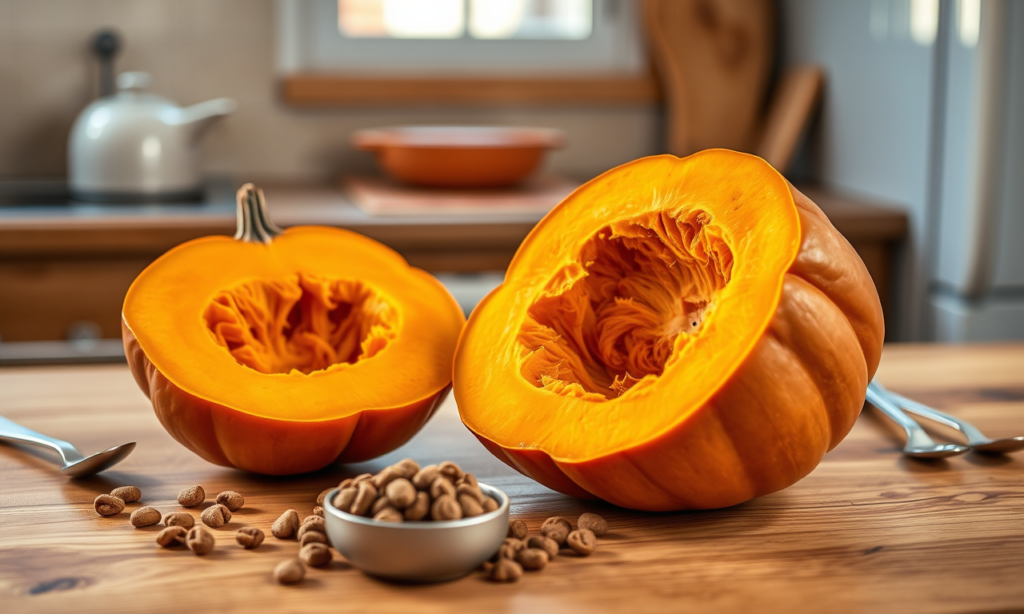
Switching brands abruptly, adding pumpkin or vegetables, or feeding scraps changes transit time. A dog on a fresh diet change might cut the comfortable window in half for a few days. Our dog diarrhea guide covers what dietary indiscretion actually does to gut transit.
Anxiety
Stressed dogs (boarding, vet visit, thunderstorm) often need to go more frequently. Some dogs also do the opposite — hold for the entire stressful event then explode the moment they’re home.
Medications
Antibiotics, NSAIDs, and steroids all affect bowel timing. If your dog just started a medication and suddenly can’t hold what they used to, that’s the medication, not their bladder.
Age
Puppies haven’t developed full sphincter control. Senior dogs lose it gradually — incontinence in older dogs is a separate vet conversation, not a “they’re being naughty” problem.
What happens when a dog holds it too long
The colon reabsorbs water from waiting stool, which dries it out. A dog who’s held it for 14+ hours produces noticeably harder, drier stools — sometimes painful to pass. Repeat holding can lead to dog constipation, which has its own risks if untreated.
Long-term — dogs forced to hold it daily for excessive windows can develop:
- Chronic constipation
- Anal gland complications (impacted glands often pair with infrequent pooping)
- UTI-like symptoms in dogs that also hold urine in parallel
- Anxiety-related GI symptoms
How long can a puppy hold its poop, specifically
The rule of thumb most trainers use: one hour per month of age, plus one, up to about 8 hours. So a 2-month-old puppy can hold maybe 3 hours. A 4-month-old, 5 hours. This is for crating; outside the crate they’ll usually go more often because of activity and stimulation.
Practical implications:
- Don’t crate a puppy under 4 months for a full workday — they physically can’t last
- Schedule a midday potty break (yourself, neighbor, or dog walker) until they’re 6+ months
- Always offer a poop break right after meals and after waking from a nap
How to extend how long a dog can hold its poop, safely
- Predictable feeding times. A dog fed at 7 AM and 6 PM develops a predictable poop schedule that you can build around.
- Last walk right before bed. Even a brief 10-minute walk for sniffing usually triggers a poop and resets the overnight clock.
- Skip late-evening treats. Anything that triggers gut motility before bed compresses overnight holding.
- Don’t force it. If your dog is asking to go out, take them. Repeatedly forcing them to wait builds anxiety and can cause longer-term issues.
When holding it is a medical concern
Sometimes a dog physically can’t poop, which looks like holding but isn’t. Watch for:
- Straining without producing. See our dog straining to poop guide — has 6 possible causes, ranging from constipation to obstruction.
- No bowel movement in 48+ hours in an otherwise normal-eating dog
- Vomiting alongside — possible obstruction, vet today
- Lethargy with prolonged inability to poop
- Unusual stool color when they finally go — see our dog poop color chart
The American Animal Hospital Association has a useful canine life stage guideline that covers age-appropriate exercise and bathroom expectations in more detail.
The bottom line
Most healthy adult dogs can hold their poop 10–12 hours when needed and 6–8 hours comfortably. Puppies need much more frequent breaks (one hour per month of age plus one). Senior dogs lose holding capacity gradually. The dangerous time isn’t “occasionally a long stretch” — it’s “daily forced holding,” which causes real medical issues over time.
If you’re searching how long can a dog hold its poop because you’re planning a workday or a road trip, the practical answer for an adult dog is up to 8 hours regularly without ill effect. Beyond that, build in a break.
This article is general information, not veterinary advice. If your dog is sick, talk to your vet.
If you’re searching for how long can a dog hold its poop information specifically, this guide walks through every angle. The how long can a dog hold its poop question comes up often and the practical answers are usually simpler than search results suggest.