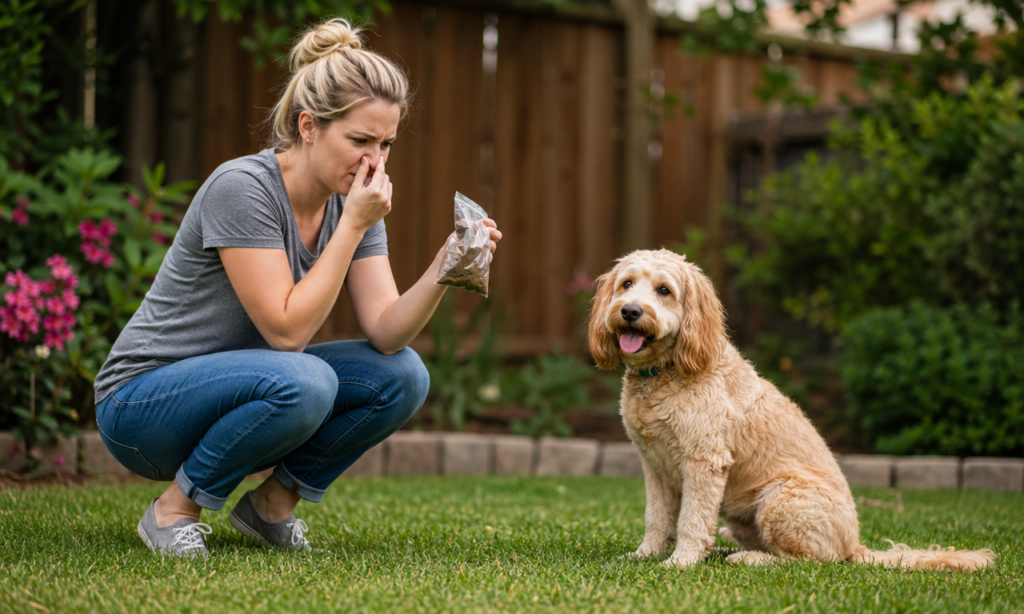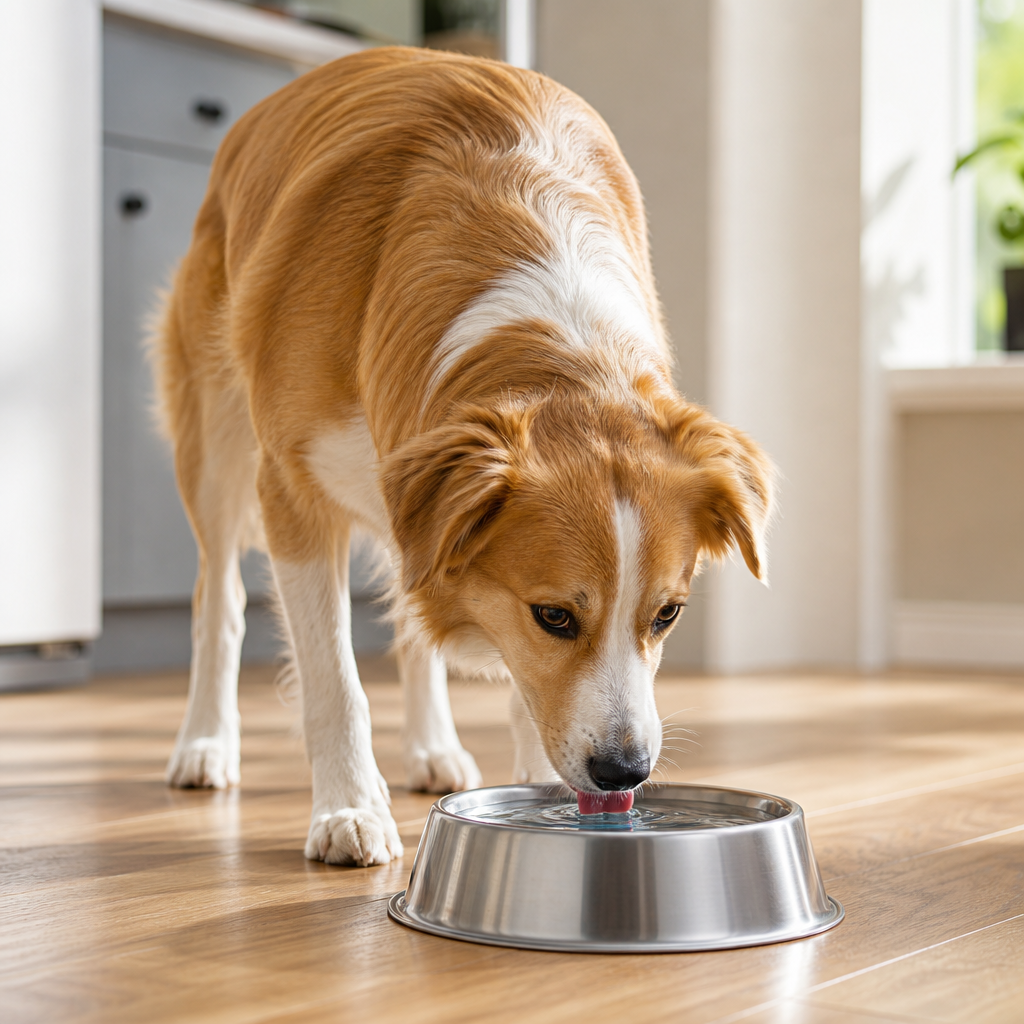
Wondering how much water should a dog drink each day to stay hydrated and healthy? The standard rule (1 oz per pound of body weight) is a starting point — but real water needs vary by activity, weather, diet, and life stage. Drink too little = dehydration; drink way too much = a different concern. Here are the 5 best guidelines for how much water should a dog drink, summer adjustments, and the dehydration signs every owner should watch for.

The baseline rule for how much water should a dog drink
The standard starting point: 1 ounce of water per pound of body weight per day. This is what most vets cite as a baseline for healthy adult dogs in temperate weather.
Translated to common measurements:
- 10 lb dog: ~10 oz / 1.25 cups daily
- 25 lb dog: ~25 oz / 3 cups
- 50 lb dog: ~50 oz / 6 cups
- 75 lb dog: ~75 oz / 9 cups
- 100 lb dog: ~100 oz / 12 cups
This is a healthy adult baseline. Puppies, seniors, pregnant dogs, and athletic dogs all need more or less.
The 5 best guidelines for how much water should a dog drink
1. Adjust for activity level
Active dogs drink 25-50% more than the baseline. A 50 lb dog that runs 3-5 miles daily may need 75-90 oz vs the standard 50 oz.
Most active dogs self-regulate well — they drink more when they need it. Provide unlimited access, refill 2-3x daily so it’s fresh.
2. Adjust for weather
Summer heat increases water needs significantly:
- Mild weather (under 75°F): Baseline 1 oz/lb
- Warm weather (75-85°F): +25%
- Hot weather (85°F+): +50%
- Extreme heat (95°F+): +100% — and consider keeping the dog indoors
Hot weather is when dogs are most at risk of dehydration. Multiple water bowls, ice cubes in bowls, and shaded outdoor water spots all help.
3. Adjust for diet type
Wet food adds water to the diet:
- Dry kibble (10% moisture): Full water baseline needed
- Wet/canned food (75-80% moisture): Reduce drinking water by ~30%
- Raw diet (60-70% moisture): Reduce drinking water by ~20%
If you’ve recently switched from dry to wet food, expect your dog to drink less — that’s normal and not concerning. See our raw diet guide for the related stool changes.
4. Adjust for life stage
| Life stage | Water need adjustment |
|---|---|
| Puppy (under 6 months) | Twice baseline by weight (very high needs) |
| Adult (1-7 years) | 1 oz per pound — baseline |
| Senior (7+ years) | Same as adult, but monitor — kidney issues affect intake |
| Pregnant / nursing | 50-100% more than baseline |
Puppies dehydrate faster than adults. Pregnant or nursing dogs need significantly more water to support milk production.
5. Watch for signs of dehydration
Six signs to check daily, especially in hot weather:
- Dry, sticky gums. Should be wet and pink.
- Skin tent test. Pinch skin at the back of neck — should snap back instantly. If it stays tented, dehydration.
- Sunken eyes. Eyes look less bright and “deep set.”
- Lethargy. Less energy than usual.
- Loss of appetite. Dehydrated dogs often refuse food.
- Dark yellow urine. Healthy urine is pale yellow.
Any of these = increase water access and consider vet visit. Severe dehydration needs IV fluids — don’t wait.
When the answer to “how much water should a dog drink” tips into too much
Excessive drinking (polydipsia) can signal:
- Diabetes. Often paired with increased urination and weight loss.
- Kidney disease. Common in senior dogs.
- Cushing’s syndrome. Hormonal disorder.
- Liver disease. Often with appetite or stool changes.
- Medication side effects. Some steroids and diuretics increase thirst.
What counts as “too much”? Drinking 2x or more than the baseline for several days warrants vet attention. See our color chart for related stool changes that can co-occur.
How much water should a dog drink during recovery
Three recovery scenarios that change water needs:
- After diarrhea or vomiting: Increase access immediately — dehydration accelerates. See our diarrhea guide.
- After surgery: Smaller, more frequent sips. Anesthesia delays normal drinking.
- Post-exercise: Don’t let dogs gulp huge amounts immediately after intense activity (bloat risk). Small amounts every 10-15 minutes.
For chronic intake issues, the vet may suggest measured intake (filling a marked bowl to track daily consumption).
Practical setup for keeping dogs hydrated
Five things that increase healthy water intake:
- Multiple bowls around the house. Kitchen, bedroom, near the couch. Convenience matters.
- Fresh water 2-3x daily. Dogs avoid stale or warm water.
- Clean bowls weekly. Biofilm makes water unpalatable.
- Water fountain. Many dogs drink more from running water. ~$25-60 for pet fountains.
- Ice cubes in summer. Some dogs love them; ratchets up intake on hot days.
If your dog drinks notably less or more than the baseline consistently, log it for a few days and discuss with the vet at the next visit.
The AKC water needs guide has additional detail on edge cases and breed-specific considerations.
Common mistakes about how much water should a dog drink
- Limiting water at night. Old housetraining advice. For most adult dogs, harmful. Leave water available.
- Not refilling daily. Stale water = lower intake. Refill at least once daily.
- Single bowl in low-traffic location. Out-of-sight = out-of-mind for many dogs.
- Worrying about a single drink-less day. Variable intake is normal. Patterns matter, not single observations.
- Free-feeding wet food without adjusting water expectations. Wet food provides water; dogs may drink less and that’s fine.
FAQ
Should my dog have water during meals? Yes, always. Some dogs eat better with water available at the bowl side.
Is tap water safe for dogs? Yes in most US areas. If you wouldn’t drink it, filter it for your dog too.
Can dogs drink too fast? Yes — fast gulping after exercise increases bloat risk in deep-chested breeds. Slow-drink bowls help.
What about flavored water or broth? Plain water is best for daily hydration. Low-sodium broth can be used occasionally to encourage drinking in sick dogs.
How can I tell if my dog is drinking enough? Pale yellow urine, wet gums, normal energy — all signs of good hydration. Measure intake for 3-5 days if unsure.
Bottom line
How much water should a dog drink? Start with 1 oz per pound of body weight per day. Adjust up for hot weather (+25-100%), activity (+25-50%), puppies (2x), and pregnancy/nursing (+50-100%). Adjust down for wet food diets (-30%). Watch for dehydration signs (dry gums, skin tent, dark urine). Excessive drinking past 2x baseline warrants vet attention for diabetes, kidney, or hormonal issues. Multiple bowls, fresh water 2-3x daily, and clean dishes weekly maximize healthy intake.
This article is general information, not veterinary advice. If your dog is sick, talk to your vet.