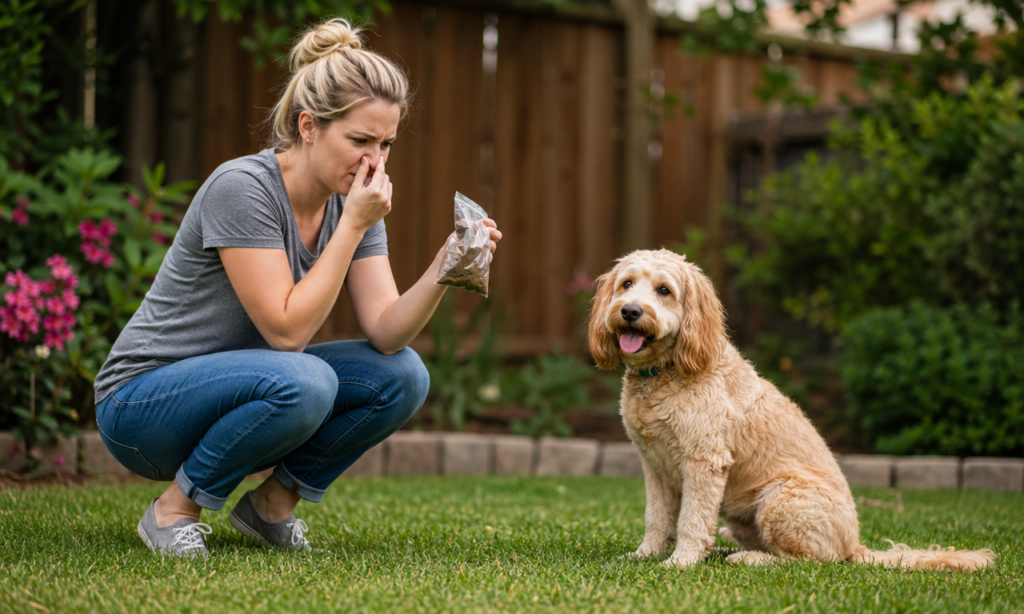
Switched your dog to a raw diet and noticing big changes in stool? Raw diet dog poop looks dramatically different from kibble-fed stool — smaller, harder, lighter colored, and a lot less smelly. Most of the changes are normal and expected, but a few are warning signs that something’s off. Here are the 5 best raw diet dog poop changes that are normal, the troubleshooting for the not-normal ones, and what each variation tells you.
Why raw diet dog poop changes so much
Two factors drive the difference between raw and kibble stool:
- Lower carbohydrate content. Most kibble is 30-50% carbs. Raw diets are usually under 10%. Fewer undigested carbs = less bulky stool.
- Higher absorption rate. Raw protein and fat are more digestible per gram, so less makes it through to the stool. Stool volume typically drops 50-75% within 2-3 weeks of switching.
This is why raw-fed dogs poop noticeably less, and what they do produce looks more concentrated. It’s also why the smell drops dramatically — fewer fermenting carbs in the colon = less odor.
5 best raw diet dog poop changes that are NORMAL
1. Smaller volume
This is the #1 reported change. Raw-fed dogs may produce 50-75% less stool by weight than the same dog on kibble. Don’t worry — they’re absorbing more nutrients, not “missing” food.
Two times daily for adults is typical; once daily is on the low-normal end for very efficient eaters.
2. Firmer / harder texture
Raw diet dog poop is firmer than kibble stool — sometimes almost crumbly. That’s the result of higher bone content (in BARF / PMR diets) and lower carb load. A firm, log-shaped stool that holds together well = ideal raw-fed result.
Use the poop color chart consistency scale — raw dogs typically score 2-3 on the standard fecal score (firm, segmented). That’s what you want.
3. Lighter or whiter color
Raw diet dog poop often turns chalky white or very light tan after 24-48 hours of air exposure. That’s calcium from bone, which oxidizes and pales. Inside fresh stool, the color may still be dark — but once it sits out, it gets that classic “chalk-white” raw look.
White stool that’s fresh and chalky-looking is normal on raw diets. White stool on a kibble diet is a different concern — see our white dog poop guide.
4. Much less smell
Raw-fed stool often has almost no detectable odor at normal distance. The strong “kibble poop smell” comes from fermenting carbs and synthetic additives in commercial dry food. Remove those and the smell largely goes away.
This benefit alone is why many owners switch.
5. Bone flakes in stool
You’ll see small white flakes or chips of digested bone in raw diet dog poop. That’s normal — and a sign the bone calcium is being processed correctly. Stool that’s heavy in visible bone fragments might mean the diet is too bone-rich; stool with no visible bone usually means the bone is fully ground or you’re under-bone.
Raw diet dog poop — what’s NOT normal
White, crumbly, chalky stool from day 1
If raw diet dog poop is white and crumbly immediately on switching, the diet may be too bone-heavy. Aim for ~10% bone content in BARF diets. Too much calcium leads to constipation and impacted stool — see our constipation guide for the signs.
Fix: reduce bone content. Add muscle meat or boneless mixes for a few days. Should normalize within 5-7 days.
Diarrhea or very loose stool
Brief loose stool during transition (days 3-10) is common as the gut microbiome shifts. Persistent diarrhea past 2 weeks isn’t normal and usually means:
- Too much fat in the mix (organ meat is rich)
- Transition too fast — should be over 7-14 days minimum
- A protein sensitivity (try a different protein source for 2 weeks)
- Pathogen exposure from improperly handled raw meat
See our dog diarrhea guide for when to call the vet. If diarrhea is bloody or watery, don’t wait.
Mucus-coated stool
Some mucus in the first 2 weeks of switching is fine. Persistent mucus = colitis, often from too much organ meat or a food sensitivity. See our mucus guide.
Black tarry stool
Never normal, regardless of diet. Indicates upper-GI bleeding. See our melena guide and call your vet.
Constipation / straining
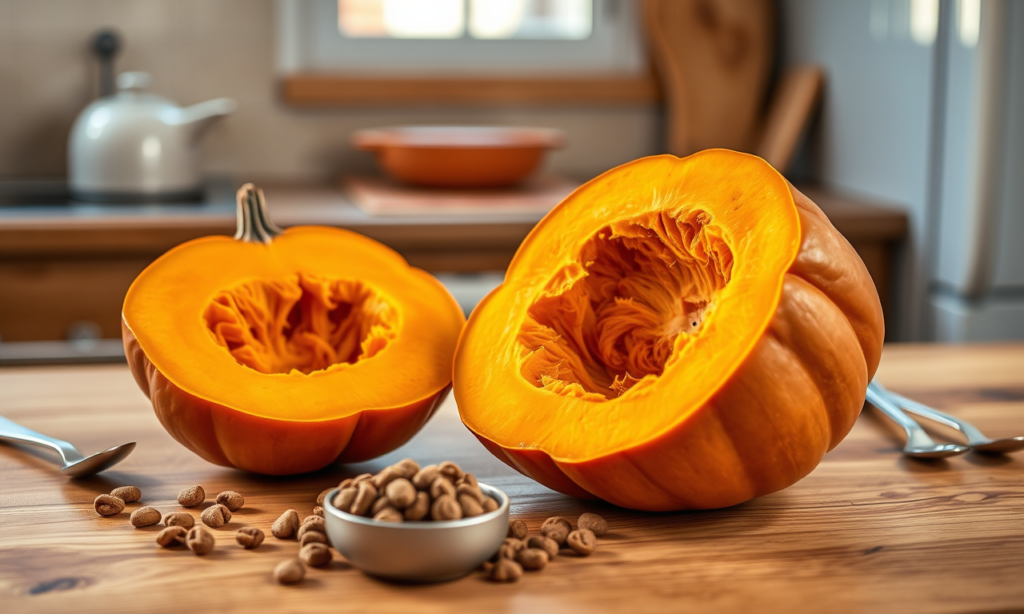
Too much bone is the usual culprit. Dog strains, produces hard pellet-like stool, may take 2-3 days between bowel movements. Reduce bone, add a tablespoon of plain pumpkin to meals temporarily, increase water. Resolves quickly when bone-to-meat ratio is corrected.
Raw diet dog poop troubleshooting by symptom
| What you see | Likely cause | Adjustment |
|---|---|---|
| Too hard, crumbly, white | Too much bone | Reduce bone to ~10% |
| Too soft, runny | Too much organ or fat | Reduce organ; check fat |
| Yellow tint | High organ content or bile | Cycle organ meat days |
| Green | Too much green tripe or vegetable | Reduce green ingredients |
| Black | Upper-GI issue | Vet — not diet related |
| Visible bone chips | Bone slightly oversized | Grind finer or trim chunks |
Transition tips for first-time raw feeders
- Transition over 7-14 days. Don’t switch cold-turkey. Mix increasing raw with decreasing kibble. Sensitive stomachs need the full two weeks.
- Start with one protein. Chicken or turkey is gentlest. Add other proteins (beef, lamb, fish) one at a time after 2 weeks each.
- Watch the stool daily. Daily texture/color logs help you spot patterns and adjust ratios.
- Maintain food safety. Wash hands, bowls, surfaces after every raw meal. Raw diet is safe for the dog but salmonella risk for humans is real.
- Consult a vet first for senior dogs or those with health issues. Raw isn’t right for every dog — immunocompromised, pancreatitis-prone, or kidney-disease dogs may need a different approach.
The AKC raw diet overview covers the benefits and risks comprehensively if you want a deeper read before switching.
FAQ
Is white chalky raw diet dog poop a sign of dehydration? No — it’s the calcium from bone oxidizing. Hydration shows in urine and skin elasticity, not stool color in raw-fed dogs.
Should raw-fed dogs poop daily? Yes, ideally once or twice daily. Less than every 36 hours starts pointing to constipation.
Is bloody stool ever normal on raw? No. Some dogs eating bone too aggressively can scrape the colon — small streaks rarely. Persistent or significant blood always needs a vet visit.
What if my dog used to be fine on raw and now has loose stool? Probably a protein you recently added. Cycle back to a single proven protein for 2 weeks, then reintroduce one at a time.
Bottom line
Raw diet dog poop should be smaller, firmer, lighter in color over time, and much less smelly than kibble-fed stool. Bone flakes are normal; chalky white after air exposure is normal. Persistent diarrhea, mucus, black tarry stool, or constipation aren’t normal and signal a ratio mismatch or health issue. Track stool daily during the first 2-3 months — it’s your most honest feedback on whether the ratios are right.
This article is general information, not veterinary advice. If your dog is sick, talk to your vet.