If your vet recommended a low residue diet for dogs, you’re probably wondering what that actually means, how it’s different from “low fiber” or “bland,” and whether you need to buy a prescription bag or can DIY at home. Here’s the honest breakdown: the 5 best commercial low residue diet for dogs options, what foods qualify, when vets prescribe it, and how to transition safely.
What “low residue” actually means
“Residue” is the undigested material that makes it from the small intestine into the large intestine — primarily fiber, plus some fats and resistant starches. A low residue diet minimizes this material, which means:
- Less work for the colon to process
- Smaller, firmer stool volume
- Faster transit time and less gas
- Less mechanical irritation of inflamed bowel tissue
This is NOT the same as “low fiber” (though fiber is reduced) or “bland diet” (though they overlap). Low residue specifically targets total undigested matter, including some forms of starch and fat that “bland diets” might still include.
When vets prescribe a low residue diet for dogs
Five common scenarios:
- Inflammatory bowel disease (IBD) flare-ups. The most common reason. Less residue = less colon irritation.
- Post-surgery recovery (especially GI surgery). Reduces strain on healing intestinal tissue.
- Chronic colitis. Particularly when combined with mucus or blood in stool — see our mucus guide.
- Pancreatitis recovery. Lower-residue, lower-fat helps the pancreas rest.
- Severe diarrhea diagnostic phase. When the vet wants to rule out food sensitivity before testing further — see our diarrhea guide.
Healthy dogs don’t need a low residue diet for dogs long-term. It’s a therapeutic tool, not a maintenance diet — most dogs do better on standard balanced kibble or fresh food once symptoms resolve.
The 5 best commercial low residue diet for dogs options
1. Royal Canin Gastrointestinal Low Fat (LF)
The most-prescribed low residue diet for dogs by US veterinarians. Highly digestible protein, low fat (~10%), low residue. Available in dry and wet. Comes only by prescription through your vet or vet portal.
Cost: ~$95/15lb bag. Premium but worth it for prescribed cases.
2. Hill’s Prescription Diet i/d Low Fat
Hill’s equivalent to Royal Canin GI LF. Highly digestible rice + chicken base. Slightly different micronutrient profile, similar therapeutic intent. Vets often pick between Hill’s and Royal Canin based on patient response.
Cost: ~$90/15lb bag.
3. Purina Pro Plan EN Gastroenteric Low Fat
Purina’s prescription line. Highly digestible carbs, lean protein, very low fiber. Often the cheapest of the three “big name” prescription options.
Cost: ~$80/12lb bag.
4. Iams Veterinary Formula Intestinal Plus Low Residue
OTC option (no prescription required). Less rigorous formulation than the three above but reasonable choice for mild cases.
Cost: ~$60/15lb bag.
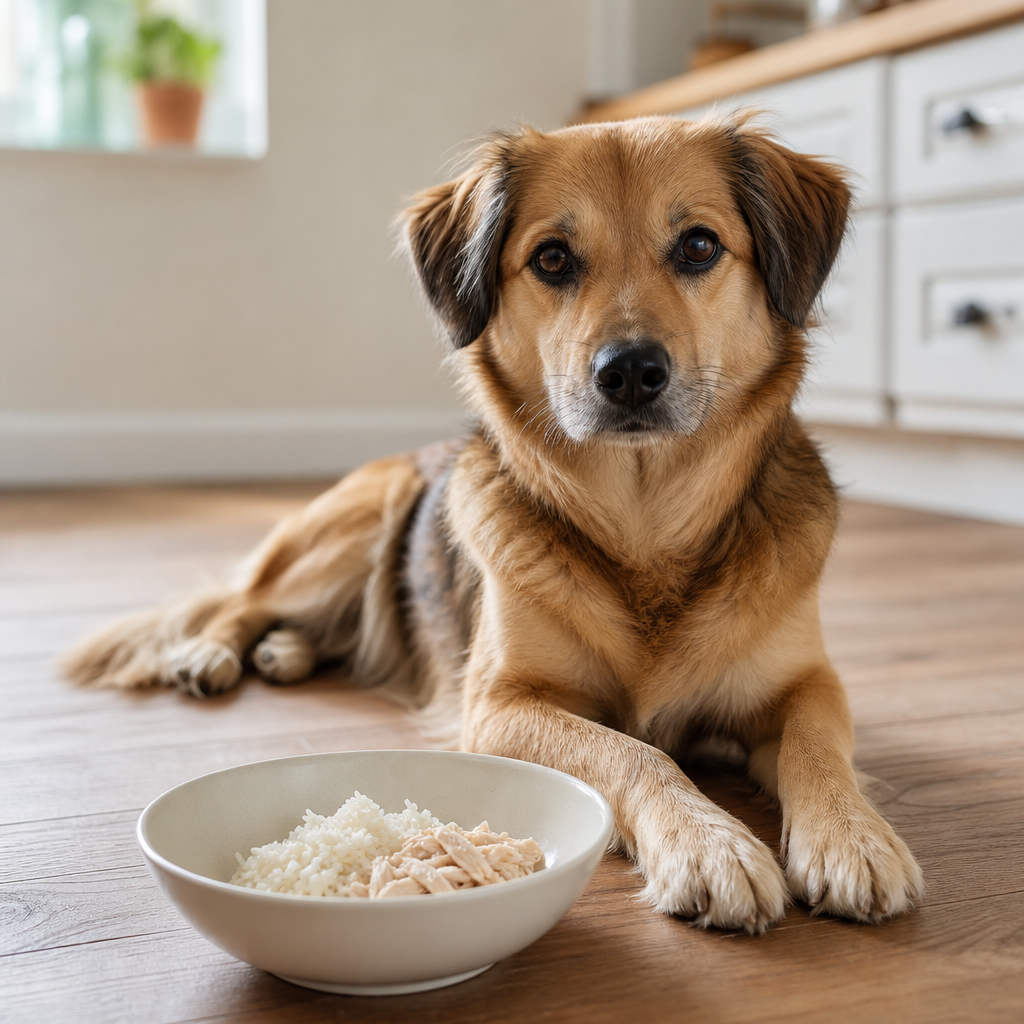
5. Home-cooked boiled chicken + white rice (1:2 ratio)
The DIY classic. Plain boiled chicken (no skin/seasoning) mixed with plain white rice in a 1:2 ratio. Truly low residue when prepared correctly. Best for short-term use (3-7 days) — not nutritionally complete for long-term feeding.
For 5-7 days, this works as well as commercial low residue diet for dogs options at much lower cost. Many vets actually recommend this as the first step for acute mild cases before considering prescription kibble.
What foods belong on a low residue diet for dogs
Acceptable foods:
- Boiled white meat chicken (no skin)
- Boiled lean turkey
- Plain white rice (not brown)
- Plain boiled or baked white potato (peeled)
- Plain cottage cheese (low-fat)
- Hard-boiled egg whites
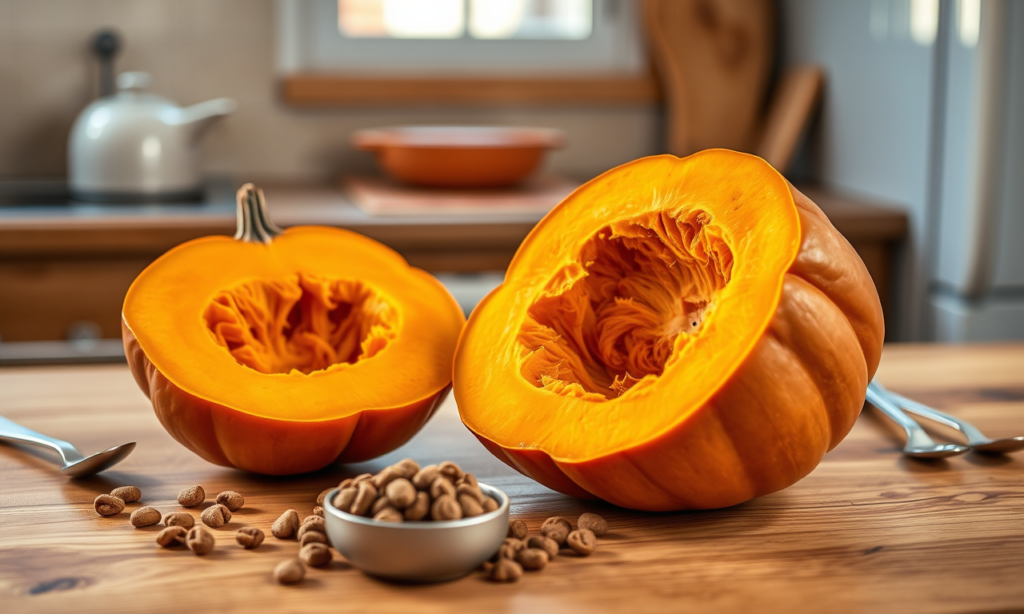
- Plain pumpkin in small amounts (1 tsp/10 lbs body weight)
Foods to AVOID:
- Brown rice, whole grains, oats, quinoa (too much fiber)
- Raw vegetables (high residue)
- Fatty meats (beef, pork, lamb fat)
- Dairy beyond plain cottage cheese (lactose triggers diarrhea)
- Sweet potato (more residue than white potato)
- Fruits with skin or seeds
- Treats with whole grains, dyes, or rich ingredients
If you’re transitioning from a fiber-heavy diet, our fiber supplements guide covers what to remove first.
How to transition to a low residue diet for dogs safely
For mild cases — straight to low residue, gradual back to normal:
- Day 1-2: 100% bland low residue (chicken + rice or commercial low residue kibble). Smaller portions, more frequent (4-5 small meals vs 2 large).
- Day 3-5: Continue 100% low residue as symptoms resolve.
- Day 6-10: Gradually mix in 25%, then 50%, then 75% of normal food over 5 days.
- Day 11+: Back to normal diet if symptoms have stayed resolved.
For chronic cases — vet supervision required. Some IBD dogs stay on commercial low residue diet for dogs indefinitely. Don’t make that call yourself.
The AAHA guidelines address dietary trials in a related context — the same staged-introduction logic applies.
Common mistakes with a low residue diet for dogs
Three errors that undermine the diet:
- Adding treats during the trial. Even one “low residue treat” off-recipe can ruin a diagnostic dietary trial.
- Using brown rice instead of white. Brown rice has 4x the fiber. Defeats the purpose.
- Staying on it too long without monitoring. Long-term home-cooked diets miss critical nutrients (taurine, vitamin E, calcium). Use only short-term unless vet-supervised.
Also watch for the dog who improves on low residue but relapses immediately when reverting — that’s a strong food sensitivity signal worth a deeper workup. See our straining guide for related symptoms.
How long until you see improvement?
For acute cases: 24-72 hours. Stool firms, frequency drops, energy returns.
For chronic IBD or colitis: 5-14 days for clear improvement, sometimes longer.
If you’re at 5+ days without improvement, the diagnosis may not be food-related and your vet needs to look at other causes — see our poop color chart for what to track during the trial.
FAQ
Is low residue the same as grain-free? No. Grain-free often substitutes higher-residue ingredients (legumes, sweet potato). Many “grain-free” foods are actually higher in residue than standard ones.
Can I make low residue diet at home long-term? Not safely without supplementation. Plain chicken + rice misses taurine, calcium, and several vitamins. Use only for 5-10 days at a stretch unless supervised by a vet nutritionist.
What about lamb and rice diets? Lamb is fattier than chicken or turkey — generally not the first choice for low residue.
Are there low residue treats? A few prescription brands sell them. Plain boiled chicken pieces work fine in small amounts.
What if my dog refuses prescription kibble? Mix with a small amount of warm low-sodium broth, or try a different brand. Most dogs eat Royal Canin GI LF readily after initial transition.
Bottom line
A low residue diet for dogs is a therapeutic tool for IBD, colitis, post-surgery recovery, and pancreatitis — not a long-term maintenance plan. Royal Canin, Hill’s, Purina Pro Plan EN, and Iams Veterinary Formula are the 5 best commercial picks; plain boiled chicken + white rice works for short-term home use. Transition slowly, avoid brown rice and treats during the trial, and resume normal food once symptoms resolve unless your vet says otherwise.
This article is general information, not veterinary advice. If your dog is sick, talk to your vet.