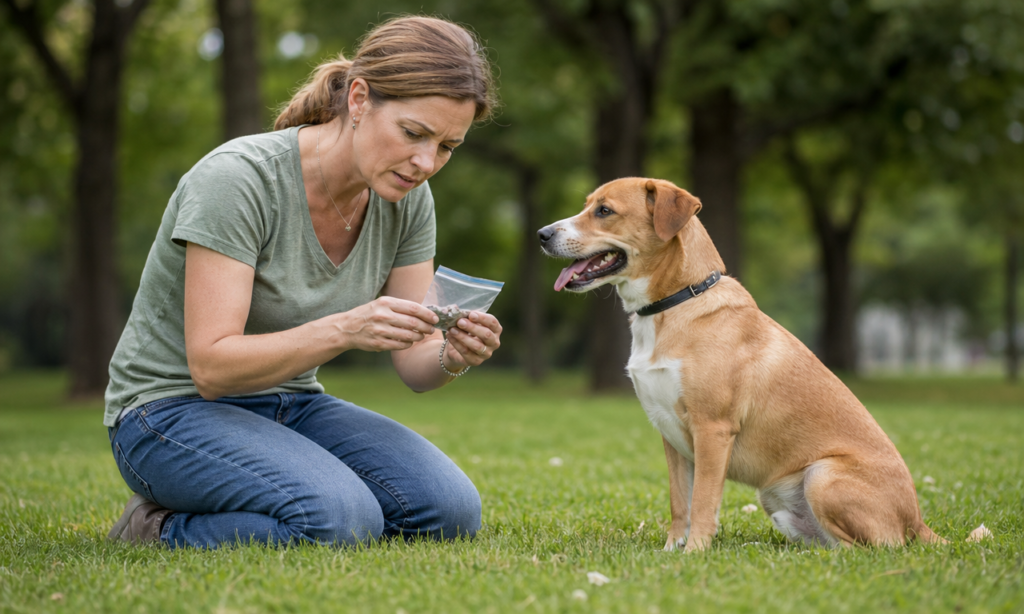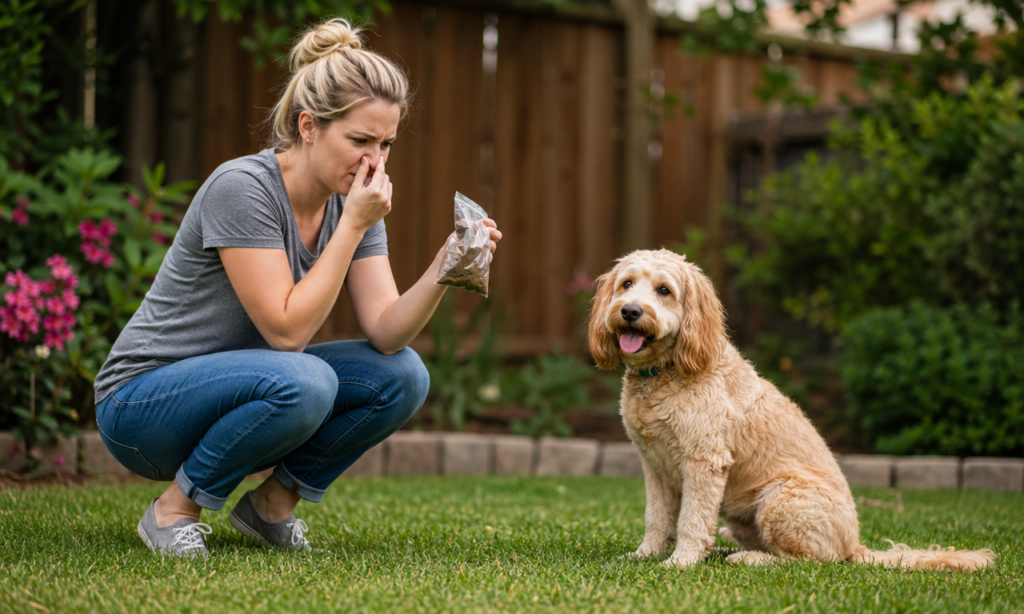
Stress diarrhea in dogs is one of the most common (and most misunderstood) reasons your dog’s stool suddenly goes from normal to liquid mess. Boarding stays, vet visits, travel, new pets, household changes — all can trigger stress diarrhea in dogs within hours. The good news: most cases resolve within 24-72 hours with the right home care. Here are the 5 best calming fixes for stress diarrhea in dogs, when to wait it out, and when to call the vet.

Why stress diarrhea in dogs happens
Three biological pathways triggered by stress:
- Sympathetic nervous system activation. “Fight or flight” speeds up gut transit. Less time for water absorption = looser stool.
- Cortisol disruption of gut flora. Stress hormones temporarily shift the gut microbiome. Imbalanced flora = altered digestion.
- Colon irritation. Stress can inflame the colon directly, especially in dogs prone to stress colitis.
This is why even a single stressful event (a thunderstorm, a boarding stay, a vet visit) can produce 24-72 hours of loose stool with no other cause. It’s not the dog being sick — it’s their physiology responding to stress.
The 5 best fixes for stress diarrhea in dogs
1. Bland diet for 24-48 hours
The gold-standard first move. Plain boiled chicken (no skin or seasoning) + plain white rice in a 1:2 ratio. Smaller, more frequent portions than usual.
Why it works: low residue, low fat, easy to digest. Gives the irritated gut a chance to settle without continuing to process complex food. Most stress diarrhea cases improve within 24 hours on bland diet.
Dosing: 1/4 to 1/2 the normal portion, split into 3-4 small meals throughout the day. See our diarrhea guide for the full protocol.
2. Probiotic supplementation
Probiotics rebuild the microbiome that stress disrupts. The vet-standard pick is Purina FortiFlora — one packet daily mixed in food for 5-7 days.
OTC alternatives that work:
- Plain unsweetened yogurt (1 tsp per 10 lbs body weight, twice daily)
- Kefir (same dosing as yogurt)
- Multi-strain dog probiotic chews
For more on probiotic picks and dosing, see our probiotics guide. Combining probiotics with bland diet speeds recovery by 1-2 days vs bland alone.
3. Anxiety reduction at the source
If the stressor is ongoing (boarding stay, new dog in house, recent move), you’ll keep getting recurring stress diarrhea in dogs until the stressor is managed.
Quick interventions:
- Calming chews or supplements. Composure, Zylkene, Solliquin. ~$15-30 for a month’s supply.
- Calming pheromone diffuser. Adaptil/DAP. Plug-in or collar. ~$25-40.
- Soft enclosed space. Crate with a blanket cover, white noise, low lighting. Free.
- Routine reinforcement. Consistent meal times, walk times, sleep times reduce anticipatory anxiety.
For chronic anxiety dogs, vet-prescribed anxiolytics (trazodone, fluoxetine) may be appropriate. Don’t medicate without vet input.
4. Hydration support
Loose stool means lost fluid. Most dogs handle this fine if they keep drinking, but mild dehydration accelerates diarrhea instead of helping.
What helps:
- Increase water bowl frequency — refill 2-3x/day fresh
- Add a splash of low-sodium chicken broth to encourage drinking
- Try a pet-safe electrolyte solution (Pedialyte at 1/4 strength is OK for short-term)
- For severe cases, vet IV fluids may be needed
Watch for dehydration signs: dry gums, prolonged skin tent when pinched, lethargy, sunken eyes. Any of these = vet visit immediately.
5. Pumpkin or fiber boost
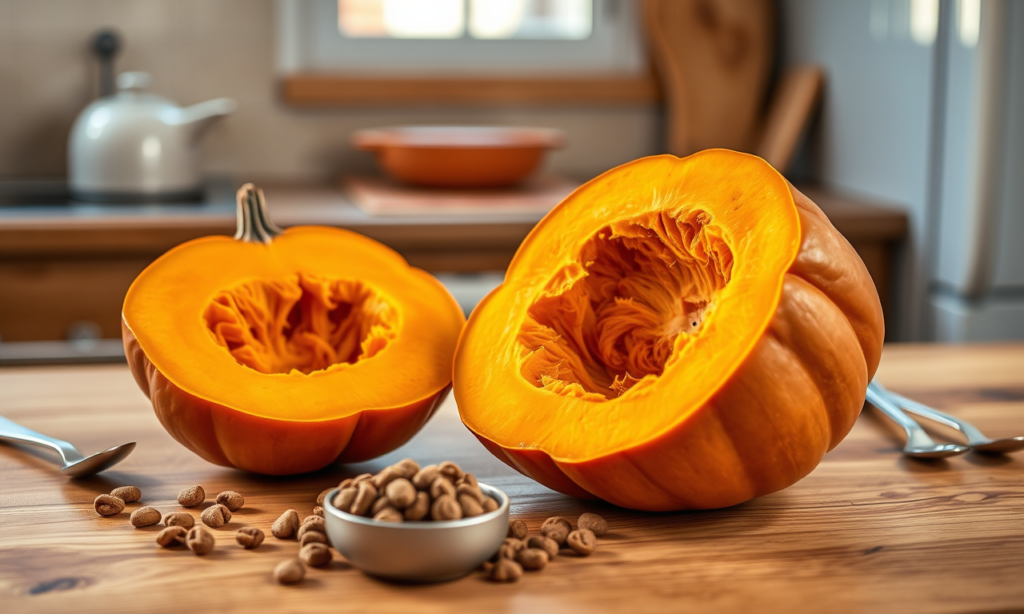
Plain canned pumpkin (not pumpkin pie filling) at 1-2 tsp per 10 lbs body weight, mixed into the bland meal. Soluble fiber soaks up excess water in the colon and firms stool naturally.
Especially effective for the “looser but not full diarrhea” phase as the dog recovers. Can be continued for several days after stress event resolves.
See our fiber supplements guide for full dosing and alternatives. Pumpkin is the most-used home remedy for a reason — it works.
When stress diarrhea in dogs warrants a vet visit
Watch for these red flags:
- Diarrhea persists past 48-72 hours despite home care. Something else is likely going on.
- Blood in stool. See our blood in stool guide.
- Vomiting alongside. Especially if frequent.
- Lethargy or unusual behavior. A dog that won’t get up or eat for 24+ hours needs vet care.
- Severe dehydration signs. Dry gums, skin tent, sunken eyes.
- Puppy or senior dog — both groups dehydrate faster.
The AKC overview of dog diarrhea home treatment has more detail on the line between manageable and concerning cases.
Common stress diarrhea in dogs triggers
The most common triggers in order:
- Boarding or kennel stays. 50%+ of dogs experience loose stool during or just after boarding.
- Vet visits. Especially involving exams or vaccines.
- Travel (car or plane). Motion sickness + new environment.
- Household changes. Moving homes, new baby, new pet, household member leaving.
- Loud noises. Thunderstorms, fireworks, construction.
- Schedule disruption. Owner gone for extended time, sudden routine changes.
Most dogs adapt within 24-72 hours of the trigger. Stress diarrhea in dogs that becomes chronic suggests an underlying anxiety condition needing professional evaluation.
Prevention for known stressors
If you know a stressor is coming (boarding, travel, vet visit):
- Pre-start probiotic 3-5 days BEFORE the event. Builds gut resilience.
- Bring familiar items. Blanket, toy, food bowl from home.
- Maintain diet consistency. Don’t introduce new food during stress periods.
- Use calming aids ahead of time. Adaptil collar a week before boarding.
- Plan for recovery time. Schedule low-activity days post-event.
These preventive steps cut stress diarrhea risk by ~50% in most dogs.
How long should stress diarrhea in dogs last?
| Day | What to expect |
|---|---|
| Day 1 | Loose stool, often 3-5x normal frequency |
| Day 2 | Bland diet kicking in, stool starting to firm |
| Day 3 | Mostly resolved, transition food back gradually |
| Day 4-7 | Full return to normal diet, monitoring |
| Past day 4 with continued symptoms | Vet visit |
Most cases follow this curve. Significant deviation warrants escalation.
What NOT to do for stress diarrhea in dogs
- Don’t withhold water. Old advice — actively harmful. Dehydration makes everything worse.
- Don’t give human anti-diarrheals. Loperamide (Imodium) is sometimes vet-prescribed for dogs but at specific doses. Don’t DIY this.
- Don’t switch foods cold-turkey. Adding to gut chaos. Bland diet first, then gradual reintroduction.
- Don’t ignore underlying anxiety. Recurring stress diarrhea = chronic anxiety needing professional input.
- Don’t panic on day 1. Most cases resolve. Calm owner = calmer dog.
FAQ
How fast does bland diet work? Most dogs show stool improvement within 24 hours. Full normalization usually by day 2-3.
Can I give my dog Imodium? Only if your vet specifically directed it. Some breeds (collies, herding dogs) have a genetic sensitivity that makes Imodium dangerous.
Will my dog get stressed every time I leave? Some dogs do. Pre-leaving probiotic + calming aids reduces recurrence over time as you build positive associations.
Is stress diarrhea contagious? No — it’s individual stress response. Other dogs in the household won’t catch it.
Should I feed during stress diarrhea? Yes, but bland and smaller portions. Don’t fast — dehydrates and stresses the dog further.
Bottom line
Stress diarrhea in dogs is common, usually short-term, and very treatable at home. The 5 best fixes: bland chicken-and-rice diet, probiotic supplementation, anxiety reduction, hydration support, and pumpkin/fiber boost. Resolves in 24-72 hours for most cases. Watch for blood, vomiting, lethargy, or dehydration — those warrant vet attention. Pre-treat with probiotics 3-5 days before known stressors to prevent.
This article is general information, not veterinary advice. If your dog is sick, talk to your vet.