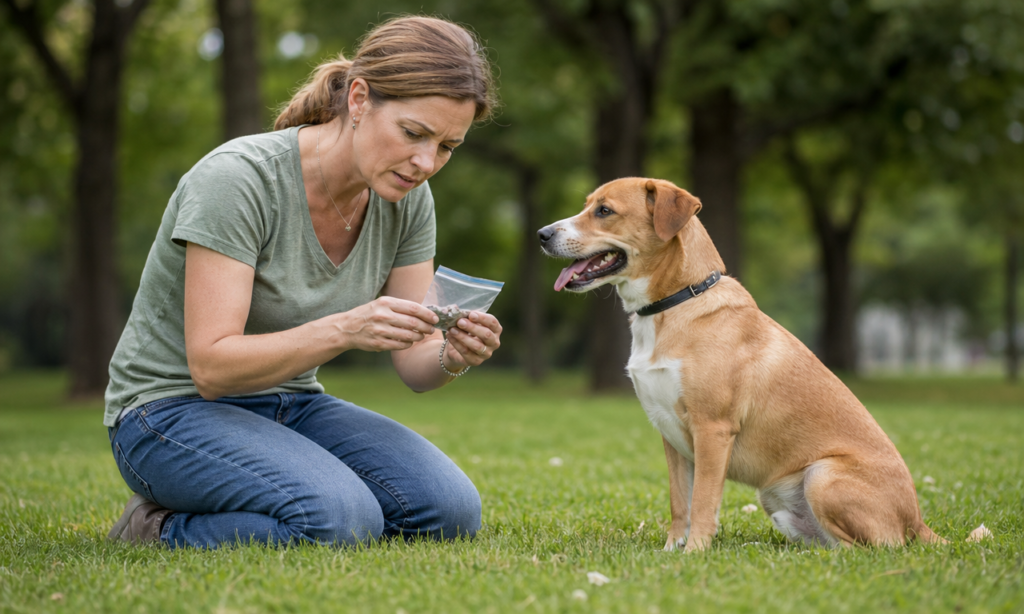
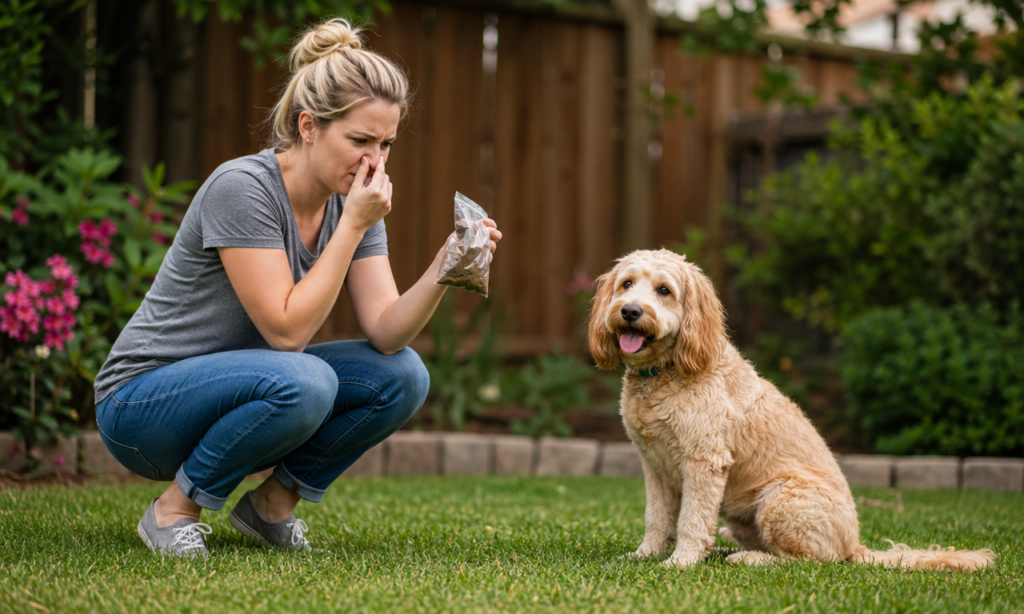
Yellow dog poop can range from a mild, harmless tint after a treat with food coloring to a real warning sign about the liver or gallbladder. The trick is knowing which is which. If your dog dropped a yellow stool this morning and is otherwise acting normal, that’s a different situation than yellow poop paired with vomiting, lethargy, or a refusal to eat. This guide walks through the five most common causes of yellow dog poop, gives you a quick triage checklist, and tells you exactly when to stop watching and call the vet.
What Yellow Dog Poop Actually Means
Normal dog stool gets its chocolate-brown color from bile, which is broken down during a healthy trip through the digestive tract. When poop comes out yellow, it usually means one of two things: something interfered with the bile (a liver, gallbladder, or pancreas issue), or the stool moved too fast for bile to do its job. Diet and dyes can also tint stool yellow without any underlying problem. For a broader picture of stool colors, our dog poop color chart lays out what every shade means.
5 Best Causes of Yellow Dog Poop
1. Food Dye, Treats, and Diet Changes
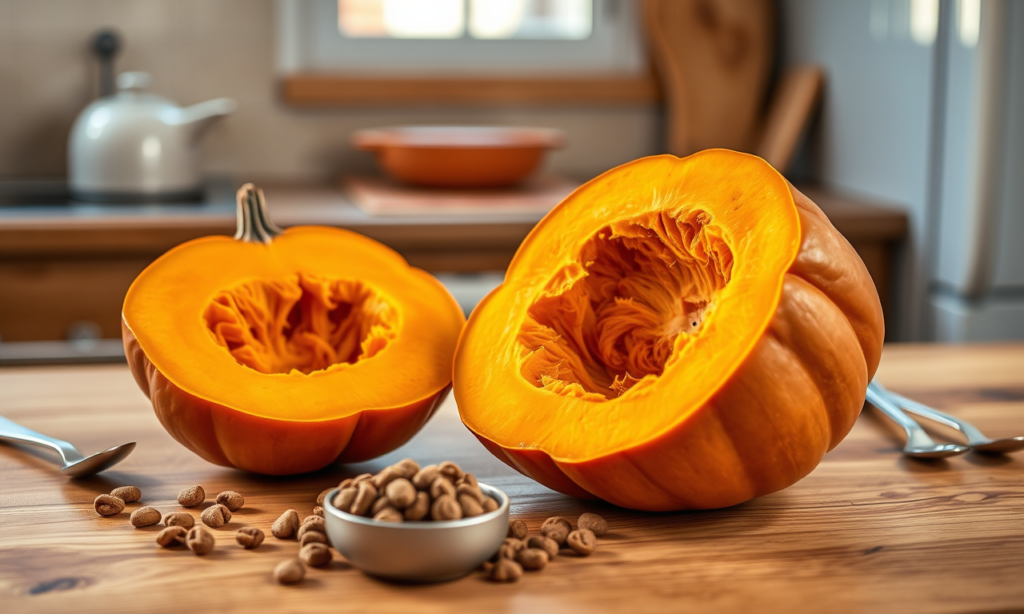
The most common and least worrying cause of yellow dog poop is something your dog ate. Yellow-tinted treats, dog food with turmeric or curry, carrots, sweet potatoes, eggs, or chicken-heavy meals can all shift stool color toward yellow. If you switched your dog’s food in the last 72 hours, that alone can cause a temporary color change. The fix here is simple: note what your dog ate, watch the next two or three stools, and see if the color normalizes.
2. Fast Transit (Stool Moved Through Too Quickly)
When food moves through the intestines too fast, bile doesn’t have time to fully break down, and stool comes out yellow, soft, or watery. This is common with mild dietary upset, stress, or the beginning of a GI bug. If the yellow poop is also loose, our guide on dog diarrhea causes and when to call the vet covers next steps. Fast-transit yellow stool that resolves in 24 to 48 hours is usually not an emergency.
3. Liver Issues
This is the cause that owners need to take seriously. The liver produces bile, and when it’s not working properly, bile production drops and stool can turn yellow, pale, or clay-colored. Liver disease in dogs often comes with other signs: yellow gums or whites of the eyes (jaundice), increased thirst, appetite loss, vomiting, and lethargy. Yellow stool with any of these signs is a same-day vet call, not a wait-and-see.
4. Gallbladder Problems
The gallbladder stores and releases bile. Gallbladder disease, sludge, or obstruction can keep bile from reaching the intestines, which produces yellow or pale stool. Gallbladder issues are more common in middle-aged and senior dogs, and breeds like Shetland Sheepdogs and Miniature Schnauzers are predisposed. Look for accompanying signs like abdominal pain (your dog hunching or not wanting to be touched on the belly), vomiting, and reduced appetite.
5. Parasites
Giardia, in particular, can cause yellow, greasy, foul-smelling stool. Other intestinal parasites can also irritate the gut enough to produce color changes. If you’ve seen anything moving or rice-grain-like in the stool, check our guide on worms in dog poop and treatment. Puppies, dogs from shelters, and dogs that drink from puddles or streams are at higher risk for parasitic causes of yellow stool.
Triage Checklist: How Worried Should You Be?
| Sign | Action |
|---|---|
| One yellow stool, dog acting normal, ate something new | Watch next 2 stools |
| Yellow + soft for 24-48 hours, no other signs | Bland diet, monitor |
| Yellow + vomiting OR lethargy | Call vet today |
| Yellow + yellow gums, yellow eyes, or jaundice | Emergency vet now |
| Yellow + greasy texture + foul smell | Vet visit, fecal test |
| Yellow stool persisting more than 3 days | Schedule vet visit |
What to Do at Home (When It’s Safe to Wait)
If your dog has one or two episodes of yellow dog poop and is otherwise eating, drinking, and behaving normally, you can usually try a short reset at home:
- Skip one meal to let the gut rest (adults only, not puppies under 6 months).
- Feed bland for 24-48 hours: plain boiled chicken breast and white rice, in small portions.
- Keep water available and watch for dehydration (lift the skin between the shoulder blades; it should snap back fast).
- Log every stool: time, color, consistency. This information matters if you do end up at the vet.
- Reintroduce normal food slowly over 2-3 days.
If stool color doesn’t return to brown within 3 days, or if any of the vet-trigger signs appear, stop the home approach and book an appointment. Yellow stool that comes with straining is a separate situation — see why is my dog straining to poop for more on that.
When to Call the Vet
Call the vet the same day if your dog has yellow stool plus any of these:
- Yellow gums, eyes, or skin (jaundice)
- Vomiting, especially repeated vomiting
- Lethargy or unusual quietness
- Appetite loss for more than 24 hours
- Abdominal pain or hunched posture
- Pale, clay-colored, or chalk-white stool
- Black or tarry stool mixed in (see black tarry stool causes)
- Yellow stool in a puppy under 6 months
Bring a fresh stool sample if you can — vets often run a fecal test on the spot, and it shortens diagnosis. The American Kennel Club’s poop color guide is a solid second reference if you want to cross-check what you’re seeing.
The Bottom Line
Most yellow dog poop is caused by food, dye, or fast transit and resolves on its own in a day or two. The cases that need attention are the ones with extra signs: jaundice, vomiting, lethargy, or pale stool that won’t return to brown. Trust the pattern over any single bowel movement. One yellow poop in an otherwise healthy dog is data; persistent yellow stool with other symptoms is a reason to act.
This article is general information, not veterinary advice. If your dog is showing symptoms that concern you, contact your veterinarian.