Noticed your dog poop smells fishy and wondering whether to be grossed out or concerned? Fishy stool smell is one of the more specific stool odors — and it almost always points to one of 5 specific causes. The good news: most of them are easily diagnosed and fixed. Here are the 5 best reasons dog poop smells fishy, when it warrants a vet visit, and the practical fixes that resolve most cases at home.

Why fishy stool smell stands out
Normal dog stool smells like, well, dog stool — sulfurous, slightly fermented, definitely unpleasant. A FISHY smell is distinctly different. It’s a specific marine/amine odor that often signals:
- Anal gland fluid (the most common cause)
- Fish-based food in the diet
- Bile salt issues
- Bacterial overgrowth
- Certain protein metabolism problems
Recognizing fishy specifically (vs sulfurous, sweet, or sour) helps narrow the diagnosis fast.
The 5 best reasons dog poop smells fishy
These five cover ~95% of all cases where a dog poop smells fishy unexpectedly. Working through them in order usually identifies the cause within a week.
1. Anal gland leakage (most common)
Anal glands produce a fluid that’s chemically described as “amines” — essentially the same compounds that make rotting fish smell. When a dog’s anal glands are full, irritated, or impacted, fluid can leak onto stool as it passes through.
Signs that fishy smell = anal glands:
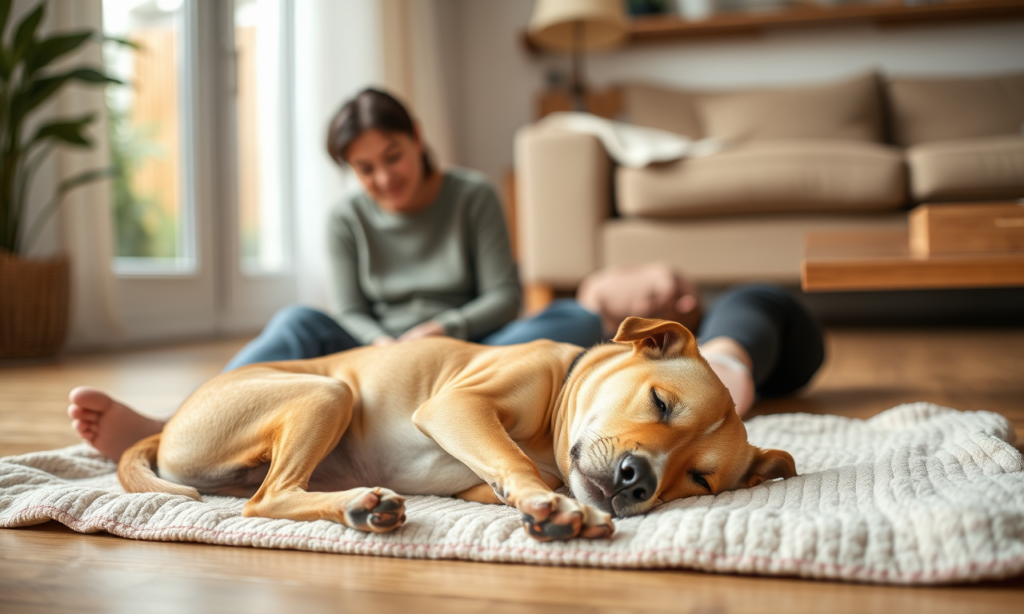
- Scooting on the floor
- Excessive licking of the rear
- Fishy smell on bedding, blankets, or where the dog has been sitting
- Stool itself may smell normal but the area around it smells fishy
See our anal gland guide for full identification and home management. Most cases resolve with manual expression (vet or groomer) and a higher-fiber diet.
2. Fish-based diet
Dogs on salmon, sardine, mackerel, or other fish-based foods will often have stool that smells noticeably fishy. This is normal — the smell follows the diet.
Common in:
- Limited-ingredient salmon-based foods
- Raw fish in a BARF diet
- Fish-meal commercial kibbles
- Frequent canned tuna or sardine treats
If you recently switched to a fish-based food and stool became fishy, the food is the answer. Not concerning. If you want to reduce the smell, switch to a non-fish protein for a week — stool will return to normal.
3. Bile or gallbladder issues
Bile salts contain amines too. If bile metabolism is off — too much, too little, or improperly processed — stool can develop a fishy or unusual odor.
Look for:
- Stool color shift toward yellow or pale (see our yellow dog poop guide)
- Loose stool
- Reduced appetite
- Mild jaundice (yellowing of gums)
This warrants a vet visit. Bile/liver issues need proper diagnostics, not home guesswork.
4. Bacterial overgrowth in the gut
Specific bacteria — particularly Clostridium and certain anaerobes — produce volatile amines as metabolic byproducts. When these bacteria overgrow, stool develops a distinctly fishy or rotten smell.
Common with:
- Recent antibiotic course (disrupts the normal microbiome)
- Chronic stress affecting gut flora
- Diet changes
- Underlying inflammatory bowel issues
Probiotic supplementation often resolves this. See our probiotics guide for which strains help and dosing.
5. Protein malabsorption / exocrine pancreatic insufficiency (EPI)
Less common but more serious. When the pancreas isn’t producing enough digestive enzymes, dogs can’t fully break down protein. The undigested protein ferments in the colon, producing fishy amines.
Other EPI signs:
- Chronic weight loss despite eating well
- Very large stool volume
- Greasy or oily appearance
- Extreme hunger
If your dog poop smells fishy AND your dog is losing weight or has unusual stool volume, this is the differential to discuss with the vet. EPI is treatable with prescription enzyme supplementation.
When dog poop smells fishy and warrants a vet visit
Five red flag combinations:
- Fishy + weight loss — possible EPI or malabsorption
- Fishy + jaundice (yellow gums) — possible liver/bile issue
- Fishy + chronic diarrhea — see our diarrhea guide
- Fishy + persistent scooting and rear licking — anal gland impaction needing expression
- Fishy + after recent antibiotics — possible microbiome disruption, probiotics may help
If none of these red flags apply and you’ve recently added fish to the diet, the cause is almost certainly dietary and not concerning.
Home fixes for dog poop smells fishy
Try these in order, simplest first:
- Audit recent diet changes. Did you add fish-based food or treats? If so, that’s the cause.
- Check for scooting and rear licking. If yes, schedule anal gland expression.
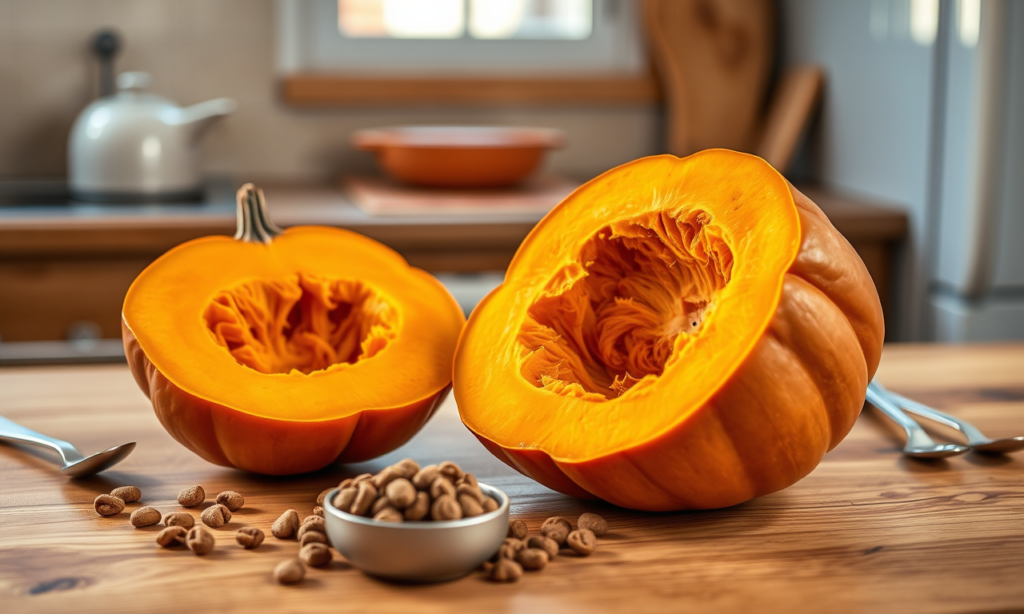
- Add fiber to diet. Plain canned pumpkin (1 tsp per 10 lbs) or psyllium. Helps anal glands express naturally during pooping.
- Add probiotics. 5-7 days of FortiFlora or similar can rebalance gut flora.
- Switch protein source. If currently on fish, try chicken or turkey for 7-10 days to test.
Most home cases resolve within a week of one of these interventions.
What dog poop smells fishy does NOT mean
Three things to NOT panic about:
- NOT typically cancer. Fishy smell isn’t a tumor marker.
- NOT contagious. Other dogs in the household won’t catch it.
- NOT an emergency. Even genuine anal gland or pancreas issues can wait for a regular vet appointment unless your dog is visibly suffering.
The AKC anal gland overview covers the most common scenario in more depth.
Specific fixes by cause
| If the cause is… | Home fix |
|---|---|
| Anal gland leakage | Vet/groomer expression + fiber boost |
| Fish-based diet | Switch protein source for 1-2 weeks |
| Bile / liver issue | Vet diagnostics |
| Bacterial overgrowth | Probiotic course 5-7 days |
| EPI / malabsorption | Vet prescription enzymes |
For each cause, the fix is different — but they’re all manageable once identified.
Prevention of recurring fishy dog poop smells
Three habits that prevent the most common causes:
- Express anal glands every 4-6 weeks at grooming visits. Especially for small breeds prone to impaction.
- Don’t make sudden diet changes. Transition foods over 7-14 days to keep the gut microbiome stable.
- Add probiotic course after any antibiotic course. Rebuilds the flora the antibiotics disrupted.
Combined, these prevent 80%+ of recurring fishy smells.
FAQ
Why does my dog smell fishy all the time, not just when pooping? Likely anal gland leakage on bedding/fur. Schedule expression and clean bedding.
Does fish oil cause fishy stool? Sometimes — fish oil supplements at high doses can flavor stool. Reduce dose or switch supplement form.
Should I worry about a one-time fishy smell? Almost never. Diet variation explains 95% of single-occurrence fishy stools.
Can puppies have fishy stool normally? Yes — puppy stool can have unusual smells as the gut microbiome stabilizes. Watch over 2-3 weeks for any combined symptoms.
What’s the difference between fishy and rotten egg smell? Fishy = amines (anal gland or protein origin). Rotten egg = sulfur compounds (often from high-sulfur protein or eggs in diet). Different causes, different fixes.
Bottom line
Dog poop smells fishy points to one of 5 common causes: anal gland leakage (most common), fish-based diet (very common), bile/liver issues, bacterial overgrowth, or pancreatic malabsorption. Audit recent diet, check for scooting/licking, try fiber and probiotic interventions first. Persistent fishy smell with weight loss, jaundice, or chronic diarrhea warrants a vet visit. Most cases resolve within a week of the right home fix.
This article is general information, not veterinary advice. If your dog is sick, talk to your vet.