Looking for the best dog treats for sensitive stomach after your dog reacts to standard biscuits with loose stool or vomiting? Treat sensitivity is one of the most common (and most overlooked) GI triggers in dogs — many owners blame food when treats are actually the culprit. Here are the 5 best dog treats for sensitive stomach picks, ingredients to avoid, and how to test a new treat without triggering another flare-up.

What makes the best dog treats for sensitive stomach different
Three traits separate truly safe treats from market noise:
- Single ingredient or very limited (3-5 max). Fewer ingredients = fewer potential triggers.
- Low fat content. Most “sensitive stomach” GI flares trace back to fat content above 10-12%.
- No artificial preservatives, dyes, or fillers. BHA, BHT, ethoxyquin, red dye 40 — all common GI irritants.
This is why “premium” or “natural” labels don’t guarantee anything — the ingredient list matters more than the marketing.
The 5 best dog treats for sensitive stomach picks
These five cover budget-to-premium choices, from boiled chicken to vet-prescribed therapeutic options. The best dog treats for sensitive stomach choice depends on your dog’s severity level and your budget.
1. Plain freeze-dried single-ingredient treats (best overall)
Brands like Stewart Pro-Treat, PureBites, and Vital Essentials make single-ingredient freeze-dried treats. Just chicken, beef liver, salmon, or duck — that’s it.
Why it works: only one protein, no preservatives, low fat in some varieties. Most dogs tolerate freeze-dried protein treats even when they can’t handle commercial biscuits.
Cost: ~$10-20 per bag. Pricier per treat than mass-market biscuits but most dogs only need 1-3 small pieces as a reward.
2. Plain boiled chicken pieces (cheapest, fastest)
Boil plain chicken breast (no seasoning), cut into pea-sized pieces. Use as training treats.
Why it works: $5 of chicken breast = weeks of training treats. Zero preservatives, controlled fat content (white meat is low-fat).
Refrigerate up to 5 days or freeze portions. The single best budget option.
3. Limited-ingredient commercial treats (mid-range)
Brands like Zuke’s Natural Purrz, Wellness Soft Puppy Bites (some flavors), and The Honest Kitchen Beams keep ingredient lists to 5-10 simple items.
Read labels carefully. Even “limited ingredient” branding sometimes hides preservatives. Look for:
- Single protein source (not “meat meal” or unnamed protein)
- Recognizable ingredients (not chemical names)
- Under 15% fat
4. Vegetable training treats
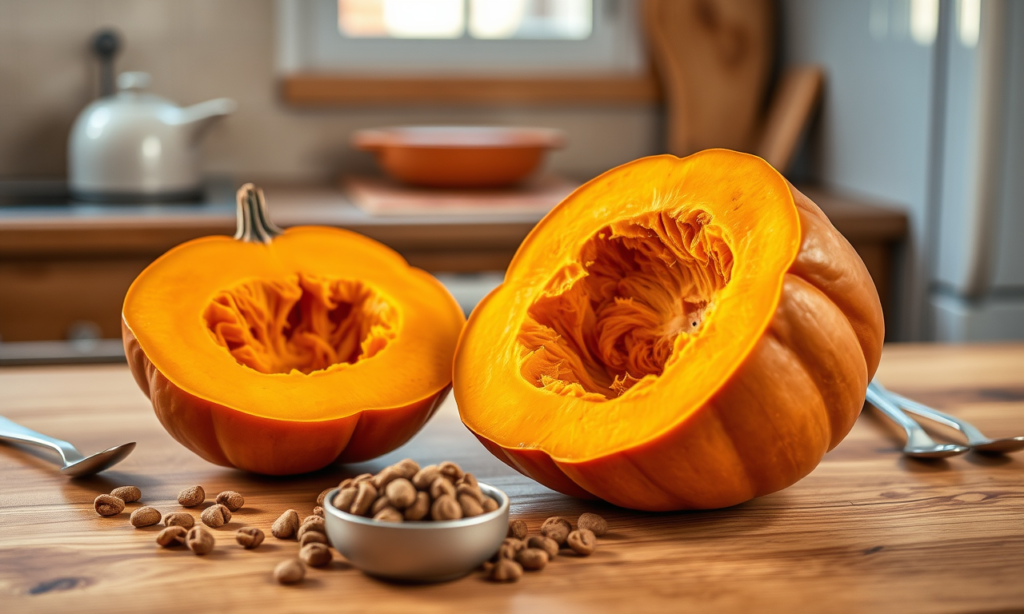
Plain steamed sweet potato, baby carrots, green beans, or apple slices (no seeds). Free, low-calorie, almost universally tolerated.
Why it works: vegetables don’t contain the proteins most dogs react to. Sweet potato in particular is gentle on sensitive stomachs.
Best for: training sessions where you need 50+ treat repetitions. See our fiber guide for the gut-health connection.
5. Prescription / hypoallergenic treats (severe cases)
For dogs on prescription elimination diets, Royal Canin Hydrolyzed Protein Treats or Hill’s Hypoallergenic Treats are designed to not break the diet protocol.
Cost: $15-25 per package, vet prescription needed.
Best for: dogs with diagnosed food allergies or IBD on therapeutic diets.
What to AVOID in dog treats for sensitive stomachs
Ingredients linked to GI flare-ups in sensitive dogs:
- High-fat treats. Pig ears, marrow bones, fatty jerky — common pancreatitis triggers.
- Artificial preservatives. BHA, BHT, ethoxyquin.
- Artificial colors. Red 40, Yellow 5/6, Blue 1, 2.
- Unspecified “meat meal” or “animal fat.” Could be anything.
- High sugar content. Honey, molasses, brown sugar — common in commercial treats.
- Rawhide. Hard to digest, blockage risk, may cause loose stool.
- Cheap jerky or “training rewards” with 15+ ingredients.
If you see any of these on a label, skip the treat.
How to test new best dog treats for sensitive stomach picks
Three-step transition for known-sensitive dogs:
- Day 1: One small piece. Watch for 24 hours.
- Day 2-3: Two-three pieces if Day 1 went well. Watch stool quality.
- Day 4-7: Normal usage if Days 1-3 were fine.
If loose stool, vomiting, or excessive gas appear at any point, stop and try a different treat.
When sensitive stomach in dogs needs a vet visit
Treat sensitivity ≠ medical problem most of the time. But these signs warrant escalation:
- Reaction to MOST treats and foods. May indicate IBD or food allergy needing workup. See our diarrhea guide.
- Weight loss despite normal eating. Possible malabsorption.
- Chronic mucus or blood in stool. See our mucus guide and blood in stool guide.
- Vomiting after most foods. Multiple sensitivities = elimination diet trial worth considering.
The AAHA guidelines cover broader wellness for sensitive dogs — useful framework for what to discuss with the vet.
Dosing best dog treats for sensitive stomach
General rule: treats should be no more than 10% of daily calories.
| Dog weight | Max treat calories/day |
|---|---|
| 10 lbs | ~25 calories |
| 25 lbs | ~55 calories |
| 50 lbs | ~110 calories |
| 75 lbs | ~170 calories |
For sensitive dogs, stay well under this — half the standard recommendation is safer.
The “occasional treat” vs “daily training” distinction
Two use cases drive different treat choices:
- Occasional (1-3 treats/day): Higher-value treats fine — freeze-dried protein, mid-range commercial.
- Daily training (20+ rewards): Low-cal vegetables or boiled chicken pieces. Volume matters.
Match the treat to the use case. Daily 20+ freeze-dried treats can hit fat ceilings even with “sensitive” labeled products.
Storage and freshness
Sensitive-stomach treats often have shorter shelf lives because they lack preservatives:
- Freeze-dried: 6-12 months sealed, 1-2 months opened
- Boiled chicken: 5 days refrigerated, 3 months frozen
- Commercial limited-ingredient: Follow package; usually 6 months opened
- Vegetable treats: Same as fresh vegetables (1-2 weeks refrigerated)
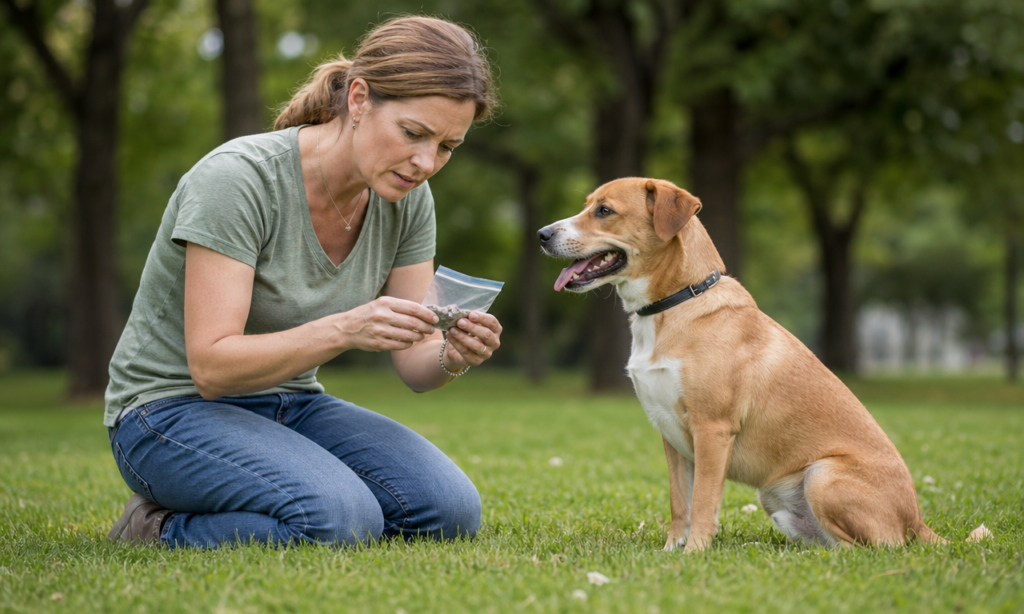
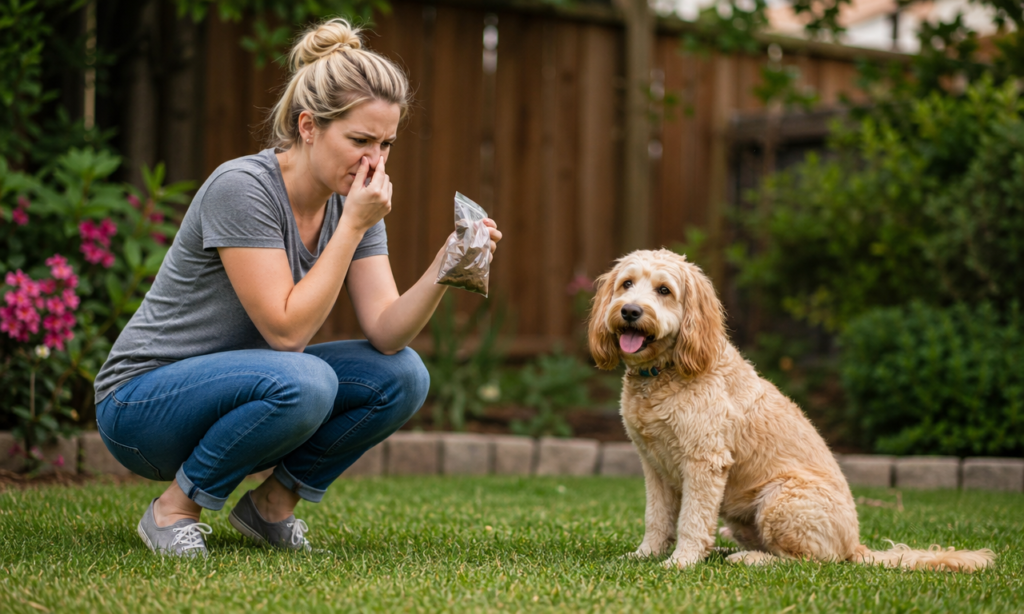
Spoiled treats trigger more sensitive stomachs than fresh ones. Smell-check before each use.
Common mistakes when picking best dog treats for sensitive stomach
- Trusting “natural” or “limited ingredient” branding without reading labels. Marketing varies more than ingredients.
- Switching treats too fast. Even “safe” treats need a 3-day transition.
- Over-dosing. Even safe treats cause problems at 30-40 per day.
- Ignoring expiration dates. Stale treats are GI triggers themselves.
- Buying for “treat enjoyment” not “tolerable for sensitive system.” The right metric is tolerability, not preference.
FAQ
Are freeze-dried treats really safe for sensitive dogs? Single-ingredient ones generally yes. Multi-ingredient freeze-dried varieties (e.g., “freeze-dried chicken nuggets” with rice and vegetables) sometimes trigger.
Can I make my own dog treats? Yes — plain dehydrated meat or sweet potato slices in the oven at 200°F for 4-6 hours = perfect homemade treats. Free of preservatives.
What about peanut butter? Sometimes tolerable but check for xylitol (toxic to dogs). High in fat — small amounts only for sensitive dogs.
Are dental treats OK for sensitive stomachs? Many aren’t — heavy on hard fillers and artificial flavors. Look for specifically formulated “sensitive” dental options.
How long after a flare can I try a new treat? Wait 7-10 days after stool returns to normal. Test one new treat at a time.
Bottom line
The 5 best dog treats for sensitive stomach: single-ingredient freeze-dried protein (overall pick), boiled chicken pieces (cheapest), limited-ingredient commercial (mid-range), vegetable training treats (high-volume), and prescription hypoallergenic (severe cases). Avoid high-fat treats, artificial preservatives, dyes, sugar, and rawhide. Transition new treats over 3-7 days. Watch dosing — even safe treats overdo at 10% of daily calories. Most sensitive dogs handle the right treat list without issues.
This article is general information, not veterinary advice. If your dog is sick, talk to your vet.