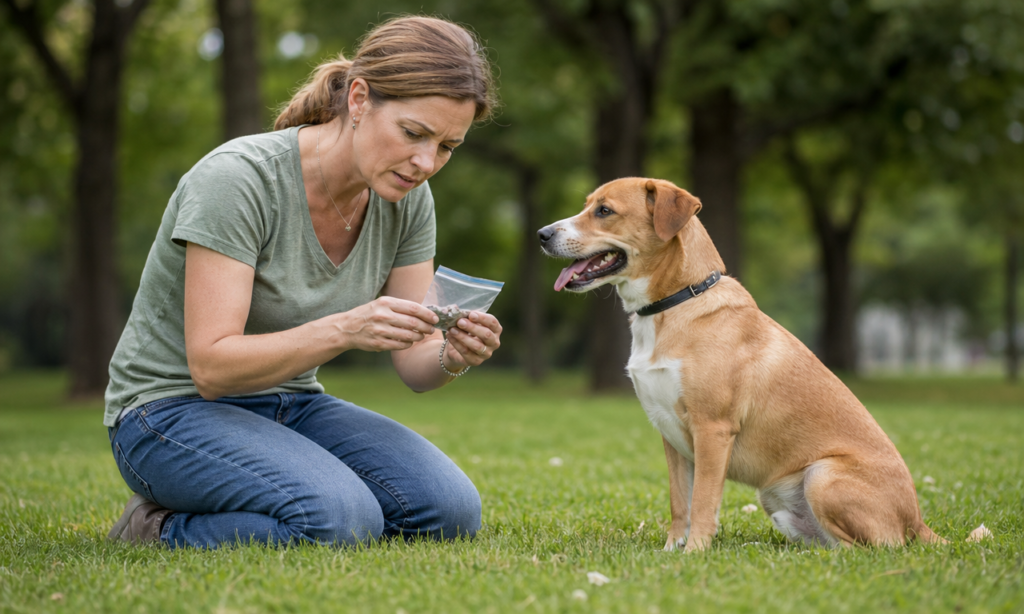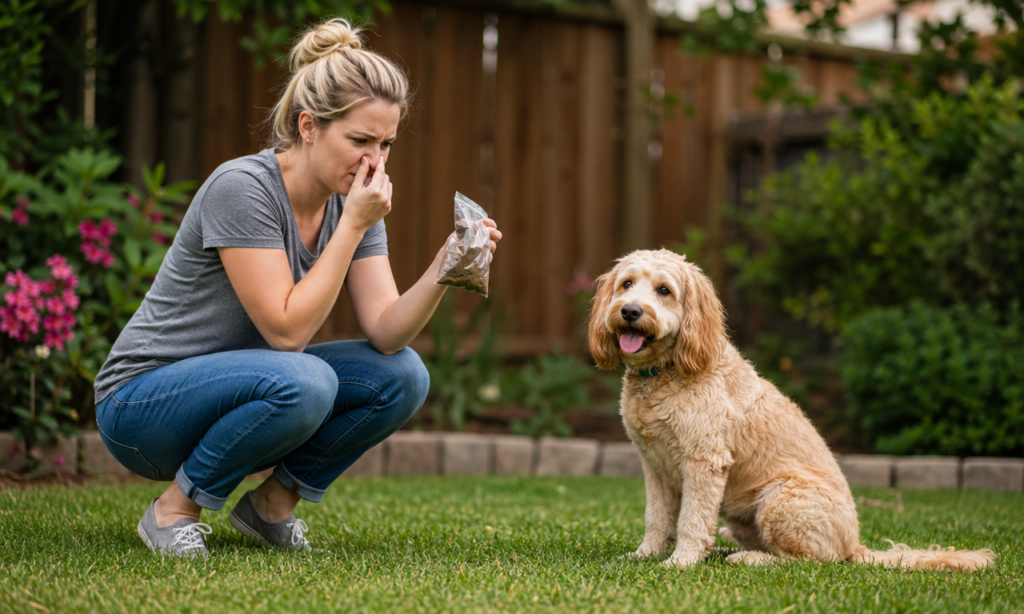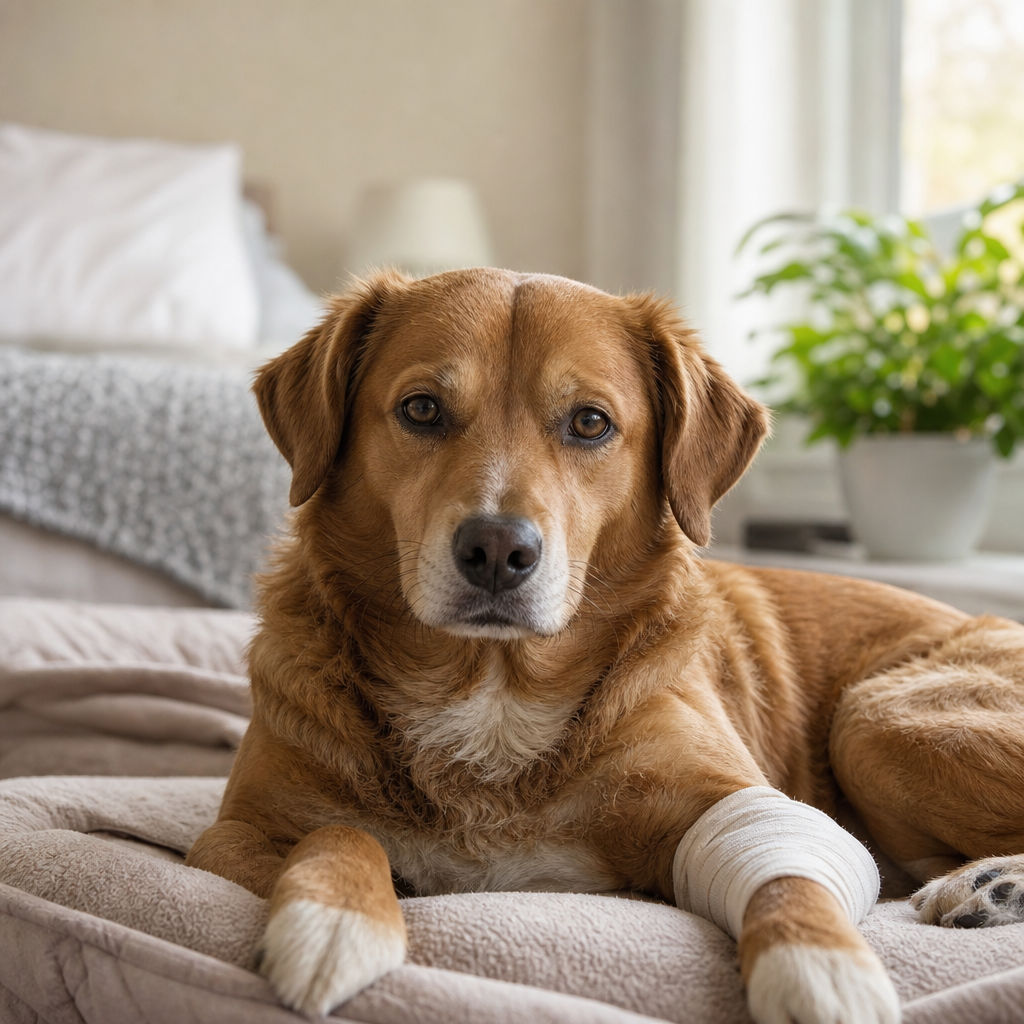
If your dog just finished a course of antibiotics and the dog poop after antibiotics is looking strange — softer, smellier, different color, or just “off” — you’re seeing one of the most common predictable side effects in veterinary medicine. Antibiotics kill the infection but also wipe out beneficial gut bacteria, and the dog poop after antibiotics reflects that microbiome disruption. Here are the 5 best things to expect, why they happen, and what speeds recovery.

Why dog poop after antibiotics changes
Antibiotics target bacterial infections, but they don’t distinguish between bad bacteria (causing the infection) and good bacteria (running the gut). Result: gut microbiome gets wiped along with the pathogen.
Three immediate effects:
- Reduced digestive efficiency. Beneficial bacteria help break down food. Fewer = less efficient digestion.
- Looser stool. The colon’s water-absorption depends partly on healthy bacteria. Disruption = wetter stool.
- Stronger smell. Disrupted flora produces different gas/odor compounds.
This is true for antibiotics across the board — amoxicillin, cephalexin, clindamycin, doxycycline, metronidazole. The mechanism is consistent.
The 5 best things to expect with dog poop after antibiotics
1. Looser, softer stool
Most common change. Dog poop after antibiotics often shifts from firm Bristol Scale Type 3-4 toward Type 5-6 (see our Bristol scale guide).
Timeline:
- Starts within 2-5 days of beginning antibiotics
- Persists through the course
- Typically 7-14 days to fully resolve after course ends
What helps: probiotic supplementation, bland diet temporarily, plenty of water.
2. Stronger or unusual odor
Dog poop after antibiotics often smells noticeably worse — fishier, more sulfurous, or just stronger. Disrupted gut bacteria produce different volatile compounds than healthy flora.
Worth knowing: this doesn’t mean the dog is sick. It’s the microbiome shift, not a separate problem. Smell typically returns to baseline 1-2 weeks after the course.
3. Color shifts
Variations within the brown range are common — slightly more yellow, slightly more green. These reflect altered bile metabolism alongside disrupted flora.
Concerning vs not concerning:
- Normal: Mild yellow, green, or pale tinges within brown range
- Concerning: Black tarry stool, bright red blood, persistent very pale — see our melena guide
4. Increased frequency
Some dogs poop more often during/after antibiotics. Faster gut transit + irritation = more bowel movements per day.
Normal range during recovery: 2-4 per day vs typical 1-2. If you’re seeing 5+ daily or watery stool, that crosses into diarrhea — see our diarrhea guide.
5. Possible mucus
Mild colitis from antibiotic disruption can produce mucus on stool. Usually clear or off-white coating. See our mucus guide for the broader picture.
Usually resolves within 1-2 weeks of finishing antibiotics. Persistent mucus past 3 weeks warrants vet check.
What helps speed dog poop after antibiotics recovery
Four interventions backed by clinical practice:
- Probiotic supplementation. Most-effective single intervention. Start during the antibiotic course (4+ hours apart from antibiotic dose) and continue 2-4 weeks after. Purina FortiFlora is most-recommended.
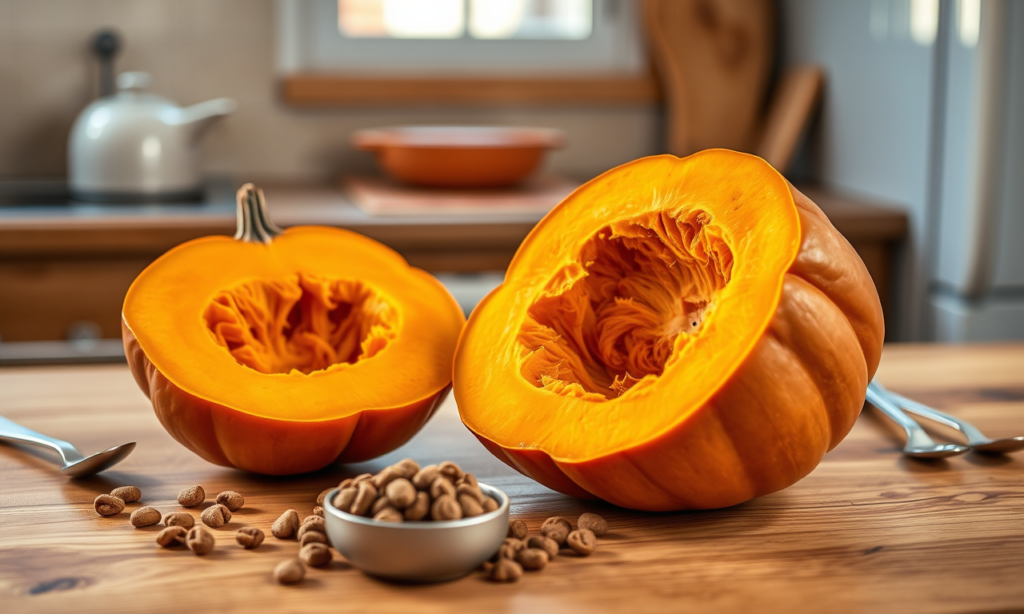
- Add fiber gradually. 1-2 tsp pumpkin per meal during recovery. See our fiber supplements guide.
- Maintain hydration. Antibiotic-related loose stool can dehydrate. Keep water available, encourage drinking.
- Avoid diet changes during recovery. Stick to the same food during the course. Recovery is enough disruption.
See our probiotics guide for dosing and timing details.
Timing matters: probiotics with dog poop after antibiotics
Critical timing rule: probiotics must be given AT LEAST 2-4 hours after the antibiotic dose. Otherwise the antibiotic kills the probiotic bacteria before they can colonize.
Standard protocol:
- Morning: antibiotic dose with food
- 4 hours later: probiotic supplement
- Evening: second antibiotic dose if prescribed
- Bedtime: second probiotic dose
Continue probiotics for 2-4 weeks after the antibiotic course ends to fully restore flora.
When dog poop after antibiotics warrants a vet call
Six patterns to escalate:
- Watery diarrhea past 24-48 hours during the antibiotic course
- Blood in stool — fresh red or digested black
- Vomiting alongside stool changes
- Significant lethargy beyond typical “feeling under the weather” from the underlying infection
- No improvement 2+ weeks after antibiotic course ends
- New severe symptoms — abdominal pain, refusing food, dehydration
One particularly concerning scenario: Clostridium difficile (C. diff) overgrowth. Can happen after antibiotic disruption. Symptoms: severe, foul-smelling watery diarrhea, sometimes with blood. Needs vet attention — has specific treatment.
The AAHA canine life stage guidelines cover broader wellness recommendations including post-treatment monitoring.
Common dog poop after antibiotics misconceptions
- “Stool changes mean the antibiotic isn’t working.” Not true. The infection may be clearing perfectly while stool reflects flora disruption.
- “I should stop the antibiotic early.” Don’t. Incomplete courses cause resistance. Finish the prescribed course.
- “Probiotics aren’t needed if I see no problems.” Even silent disruption benefits from probiotic restoration.
- “Yogurt is enough.” Plain unsweetened yogurt helps but vet-formulated probiotics (FortiFlora) work faster.
- “All antibiotics affect gut the same.” Broad-spectrum antibiotics (clindamycin, amoxicillin-clavulanate) disrupt more than narrow-spectrum.
Dog poop after antibiotics for puppies vs adults vs seniors
Different life stages respond differently:
- Puppies: More susceptible to disruption — smaller microbiome, less established. Probiotic supplementation extra important.
- Adults: Standard recovery curve. 1-2 weeks back to normal.
- Seniors: Slower recovery (2-4 weeks). Already-disrupted senior flora takes longer to rebuild.
Dose probiotics accordingly with vet guidance for puppies under 4 months.
Diet recommendations during recovery
Three diet adjustments that ease the transition:
- Keep the same kibble. Don’t introduce new proteins during antibiotic course.
- Add small amounts of bland additions. 1 tbsp boiled chicken or pumpkin per meal helps digestion.
- Skip rich treats. Save fatty or rich treats until microbiome recovers.
If your dog is on a sensitive-stomach formula already, stay on it through recovery.
FAQ
How long does dog poop after antibiotics take to normalize? Most dogs return to baseline 1-2 weeks after the course ends. Puppies and seniors may take longer.
Should I give probiotics during AND after the antibiotic course? Yes — both. During the course (4+ hours from antibiotic dose) and 2-4 weeks after.
Can I prevent dog poop after antibiotics changes entirely? Probiotics significantly reduce severity but rarely prevent changes entirely. The mechanism is unavoidable to some extent.
Will my dog need a special diet? Usually no — same food + probiotic supplementation works for most cases.
What if symptoms get worse after stopping antibiotics? Worth a vet call. May indicate persistent dysbiosis or unrelated issue.
Bottom line
Dog poop after antibiotics changes are predictable and usually self-resolving — looser stool, stronger odor, color shifts, increased frequency, and possible mucus. Best management: start probiotics during the course (4+ hours from antibiotic dose), continue 2-4 weeks after, add bland dietary support like pumpkin, maintain hydration, keep diet consistent. Watch for red flags: watery diarrhea past 48 hours, blood, vomiting, lethargy. Most dogs are back to baseline within 1-2 weeks of finishing the course.
This article is general information, not veterinary advice. If your dog is sick, talk to your vet.