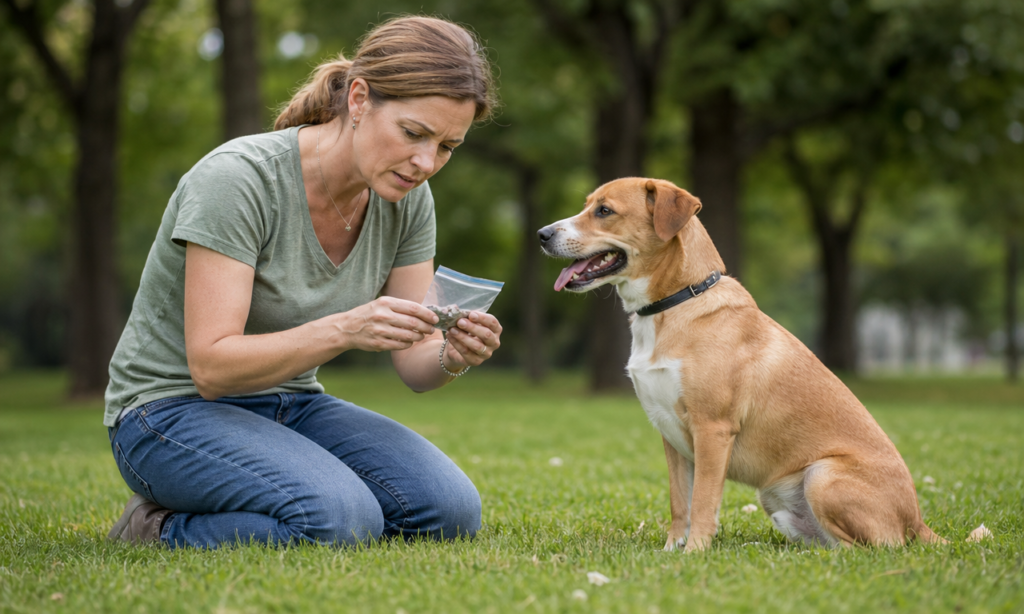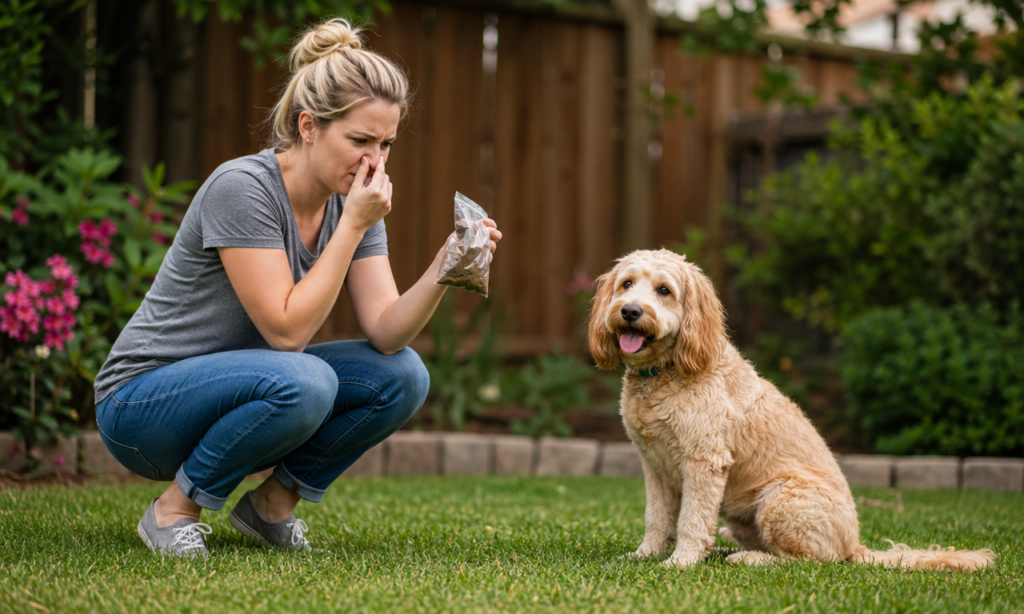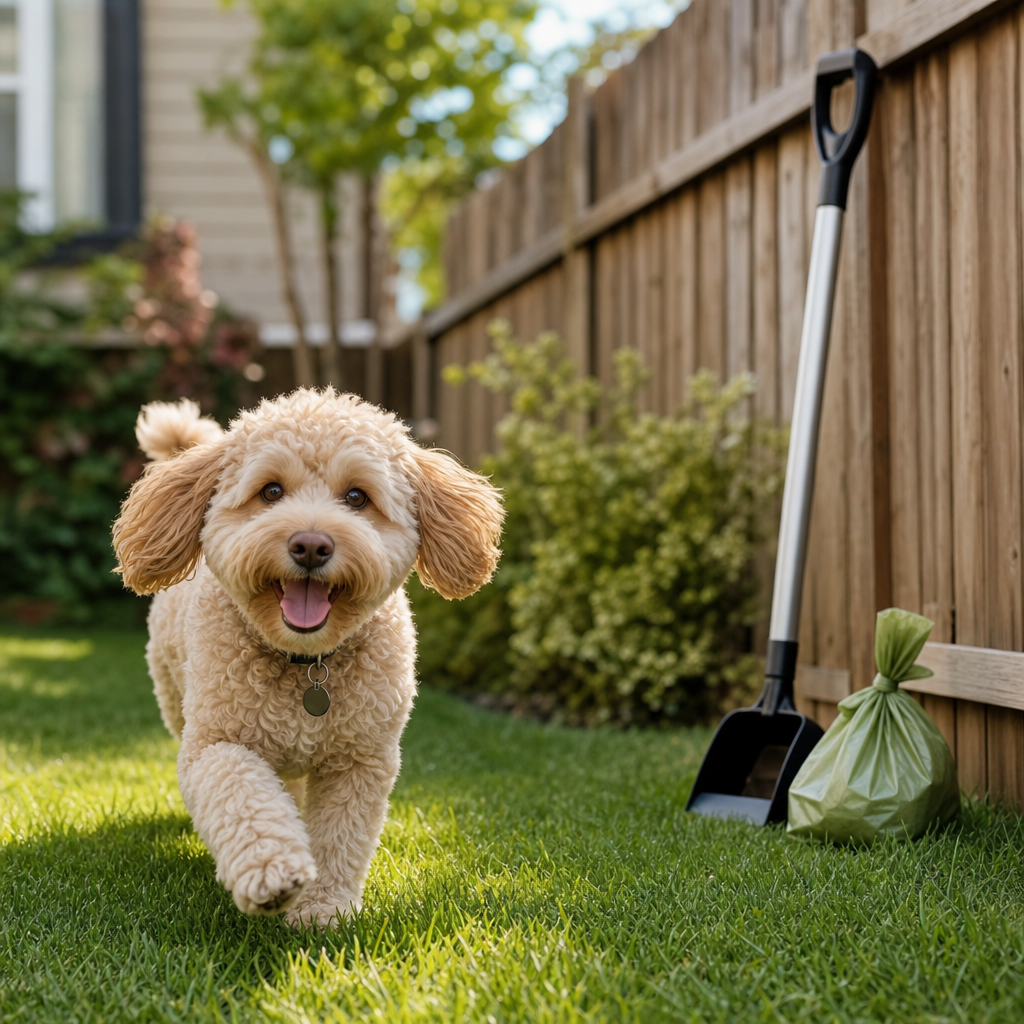
Asking whether you should pick up dog poop in own yard is one of those questions that sounds dumb until you read the actual answer. Lots of dog owners assume their backyard is “private” so cleanup is optional. The honest truth: leaving stool in your own yard causes 5 meaningful problems — health, lawn, smell, kid safety, and dog behavior. Here are the 5 best reasons to pick up dog poop in own yard regularly, plus realistic frequency targets that actually work.

The 5 best reasons to pick up dog poop in own yard regularly
If you’re skeptical that you should pick up dog poop in own yard daily, these five concrete impacts add up faster than most owners realize.
1. Parasites and bacteria
Dog stool is a parasite reservoir. Hookworms, roundworms, whipworms, Giardia, and several bacteria (Salmonella, Campylobacter, E. coli) can survive in stool sitting on the ground for weeks to months. Each “old pile” becomes a re-infection risk for your dog and a transmission risk for kids and other pets.
The EPA classifies pet waste as a public health pollutant for this exact reason. Even “private” yards aren’t sealed — rain washes contamination into groundwater and storm drains. See our worms in dog poop guide for what specifically can spread.
2. Grass damage
Stool sitting on grass for 24+ hours blocks sunlight, traps moisture, and creates a slow ammonia burn at the root zone. You get brown rings that take weeks to recover. Multi-dog households can lose 30%+ of lawn turf in a single growing season this way.
The fix is timing, not chemistry — see our grass damage guide for the full breakdown. Daily pickup prevents almost all of it.
3. Smell becomes load-bearing
One stool: barely noticeable. Five days of stool: your yard smells permanent, especially when wet. Once the smell is established, it lingers for weeks AFTER cleanup because residue is absorbed into the soil.
This is the reason a lot of households eventually hire pickup services — they let smell build up, realize it’s now hard to fix, and outsource the catch-up. Picking up regularly avoids the spiral entirely.
4. Kid and pet safety
Kids playing in yards step in old stool, fall, touch their faces. Hookworm and roundworm eggs are especially dangerous to children. Dogs also re-investigate old stool (sometimes eating it — coprophagia is common in dogs exposed to long-aged piles). Both vectors are completely preventable by picking up daily.
This becomes critical if you have a toddler in diapers or kids who go barefoot. Even fenced “kid-only” yard sections deserve regular cleanup if you have multiple pets.
5. Anal gland and behavior signals
When dogs poop on top of old stool or have to dance around piles, their stool changes shape — sometimes contributing to anal gland impaction over time. Also, some dogs become reluctant to use a heavily-used yard and start holding it, leading to constipation. See our holding capacity guide.
Behavioral side: dogs trained to “go anywhere in the yard” with no cleanup often develop sloppy elimination habits that translate into accidents elsewhere (parks, friends’ yards, indoors).
How often should you pick up dog poop in own yard
Practical frequency by household:
| Household | Frequency |
|---|---|
| 1 dog, small yard | Daily (1-2 min) |
| 1 dog, large yard | Every other day max |
| 2-3 dogs, any yard | Daily — no compromises |
| Winter dormancy (frozen) | Every 2-3 days OK temporarily |
| Hot summer (smell risk) | Daily, after each poop ideally |
| Households with toddlers | Daily, walk yard first thing in AM |
The “daily” rule has more to do with stool sitting time than with quantity. A single stool sitting 36 hours is worse than three stools sitting 12 hours each. Pick a window — morning walk, after work — and stick to it.
Common myths about skipping yard cleanup
The reasons people give for NOT making themselves pick up dog poop in own yard are surprisingly consistent — and mostly wrong:
- “It’ll decompose naturally.” Dog stool takes 9-12 months in most climates. Way too slow to avoid damage.
- “It fertilizes the grass.” No. Cow manure does (after composting). Fresh dog stool has wrong nitrogen-to-carbon ratio and is full of pathogens. It damages, not feeds.
- “My dog goes in the back corner I never visit.” Rain still spreads runoff. Pets and kids still wander. Old stool still attracts flies.
- “Bagging is wasteful — just leaving it is more eco-friendly.” Wrong. Uncollected waste contaminates groundwater. The bag, even if landfilled, contains the contamination better than letting it leach. Use biodegradable bags if eco matters.
- “It’s just my private property — no one cares.” Your dog’s health, your kids’ safety, your lawn, and your neighbors’ downstream water supply all care.
What’s the easiest way to pick up dog poop in own yard
Three tools that make daily cleanup take under 3 minutes:
- Long-handled scoop (under $25). No bending. The biggest reason people skip cleanup is back strain — a long-handled scoop removes that.
- Holster-style bag dispenser on the gate. Always within reach when you let the dog out. Don’t make yourself go inside for bags.
- One dedicated outdoor trash can for pet waste only. Keep it on the side of the house. Empty into curbside trash on collection day.
For specific bag recommendations see our poop bags compared writeup. The right bag matters less than the right system.
When to hire vs DIY
Three signals that hiring a service makes more sense than DIYing:
- 2+ dogs on a quarter-acre or larger lot
- Mobility issues or chronic back pain
- Property management / rental scenarios where you’re not the daily occupant
For pricing, see our service cost guide. For most one-dog households on a small lot, DIY is fine — under 5 minutes a day.
Pick up dog poop in own yard during weather extremes
Three special cases worth planning for:
- Winter: Frozen stool is easier to pick up but harder to spot under snow. Walk the yard before sunset rather than waiting until morning when fresh snow may cover everything. Bonus: less smell, lower urgency, every 2-3 days is fine.
- Summer: Heat amplifies smell and accelerates fly attraction. Daily is now critical. Consider afternoon pickup so smell doesn’t sit overnight.
- Rain: Don’t pick up DURING heavy rain (you’ll just smear it). Pick up immediately after — wet stool is the messiest situation, but waiting more than 12 hours risks runoff contamination.
The EPA’s overview on pet waste as a non-point pollution source is worth reading for context if you want the public-health framing.
FAQ
Is it OK to compost dog waste at home? Generally no for veggie gardens (pathogen risk). Some commercial composters certified for pet waste exist but they’re rare. Default to bag-and-trash.
What about “flushable” dog waste systems? Some municipalities ban flushing dog waste. Check your local water authority before installing one.
Do I really need to pick up dog poop in own yard if my dog doesn’t go often? Yes. Even one weekly stool sitting in your yard is enough to attract flies, harbor parasites, and leach into groundwater.
What about gravel or mulch sections? Same answer. Different surface, same contamination. Scoop and rinse the area.
Should I worry if I haven’t cleaned up in months? Big initial cleanup, then daily routine. Wear gloves and a mask for the first sweep of old piles — bacteria and parasites are more concentrated than fresh stool.
Bottom line
Yes, you should pick up dog poop in own yard — even if it’s fully fenced and private. The 5 best reasons: parasites, grass damage, smell escalation, kid/pet safety, and your dog’s own behavior and gland health. Daily cleanup for 1-3 dog households (under 5 minutes with a long-handled scoop), every other day max for low-volume situations. “It’s my own yard” is the most common reason to skip cleanup and the most common regret six months later.
This article is general information, not veterinary advice. If your dog is sick, talk to your vet.