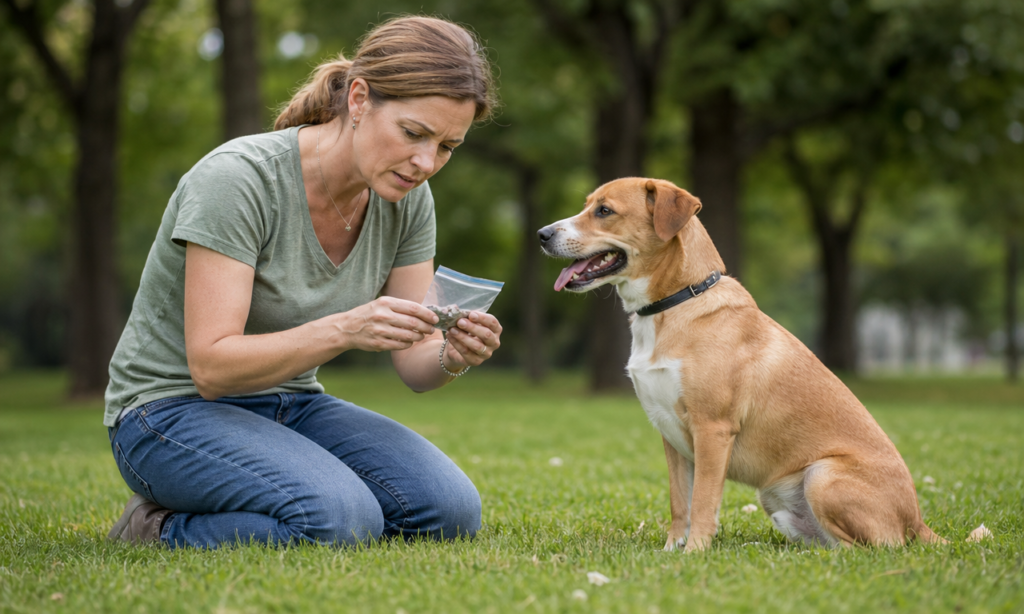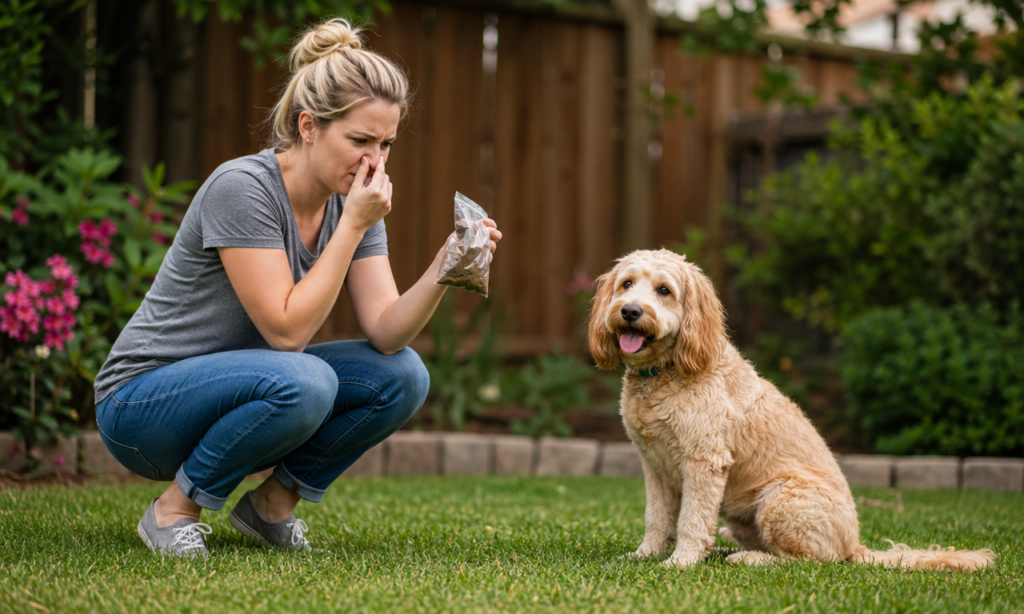
Noticing your dog poop different color each time they go? You’re not imagining it — and most of the time it’s normal. Dog stool color shifts daily based on what they ate, how fast they digested it, and tiny variations in bile production. But certain color changes ARE concerning. Here are the 5 best reasons dog poop different color each time you check, what’s normal variation, what’s a red flag, and how to set a baseline you can monitor.

Why dog poop different color each time is usually normal
Four factors drive day-to-day color variation:
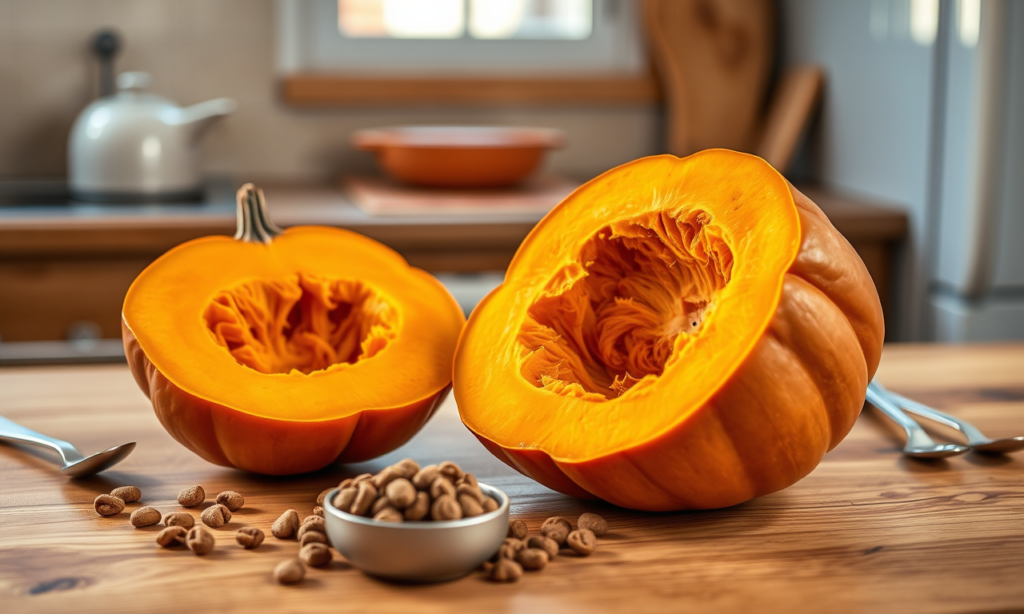
- Diet changes. A treat with food coloring, a different protein source, a slice of pumpkin — all shift the next stool’s color.
- Bile production variation. The greenish-yellow bile that mixes with food in the small intestine varies in concentration. Most “color shifts” are actually bile shifts.
- Transit time. Faster transit = greener stool (less bile breakdown). Slower transit = darker brown (more breakdown).
- Hydration. Dehydrated dogs produce darker, more concentrated stool. Well-hydrated dogs produce lighter brown.
Healthy dogs cycle between medium chocolate brown and slightly lighter or darker brown daily. That’s normal. Only sharp shifts toward unusual colors are worth investigating.
The 5 best reasons dog poop different color each time
1. New treats or food additions
The most common cause. A new treat, a piece of human food, food coloring in store-bought treats — all show up in the next stool. Bright-colored treats (red, blue, green) are the most obvious culprits.
What to do: think back 12-24 hours. Did you add anything new? If yes, the color likely matches what they ate. No action needed.
2. Different protein meals
Chicken stool typically looks lighter brown. Beef and lamb tend toward darker brown. Fish-based food produces gray-ish brown stool. Multi-protein rotation diets naturally shift stool color daily.
If you rotate proteins (which many vets recommend), expect daily color variation. This is healthy and means the gut is getting varied nutrients.
3. Bile timing and concentration
Bile is the pigment that makes stool brown. When the gallbladder releases more bile, stool runs darker. Less bile = lighter or even yellowish stool. Hormone cycles, meal timing, and stress all affect bile release.
This is why some mornings your dog’s stool is darker than the evening stool — same dog, same food, different bile release. Normal variation. See our yellow dog poop guide for when low-bile stool tips into concerning.
4. Hydration shifts
Hot day with low water intake → darker concentrated stool. Cool day with high water intake → lighter, looser stool. Normal seasonal/daily variation.
Where it tips into concerning: stool becoming consistently very dark for more than 3 days (could be GI bleeding — see our black tarry stool guide) or consistently watery (see watery stool guide).
5. Stool age (one stool sitting longer than another)
Stool oxidizes over hours. Fresh stool may be darker; sitting stool may turn paler or grayer. If you’re comparing the morning stool to one from 12 hours ago, color difference is from oxidation, not from a real change.
Always evaluate fresh stool for color. Compare like-to-like.
When dog poop different color each time IS a problem
Five color shifts that warrant attention:
- Sudden bright red streaks. Fresh blood. Could be colitis, polyps, or trauma. See blood in stool guide.
- Black, tarry, sticky stool. Digested upper-GI blood. Always vet-worthy regardless of how often it appears.
- Persistent pale/grey stool for 3+ days. Possible liver or gallbladder dysfunction.
- Bright green stool repeatedly. Either eating grass excessively or rapid GI transit. See green dog poop guide.
- White or chalky stool not on a raw diet. Possible bone overload, severe constipation, or rare digestive issues. See white dog poop guide.
The key isn’t a single weird-color poop — it’s a pattern lasting 2-3 days or longer. One green stool means nothing. Three green stools in a row means something.
How to set a baseline and track changes
Three steps to make dog poop different color each time observations actually useful:
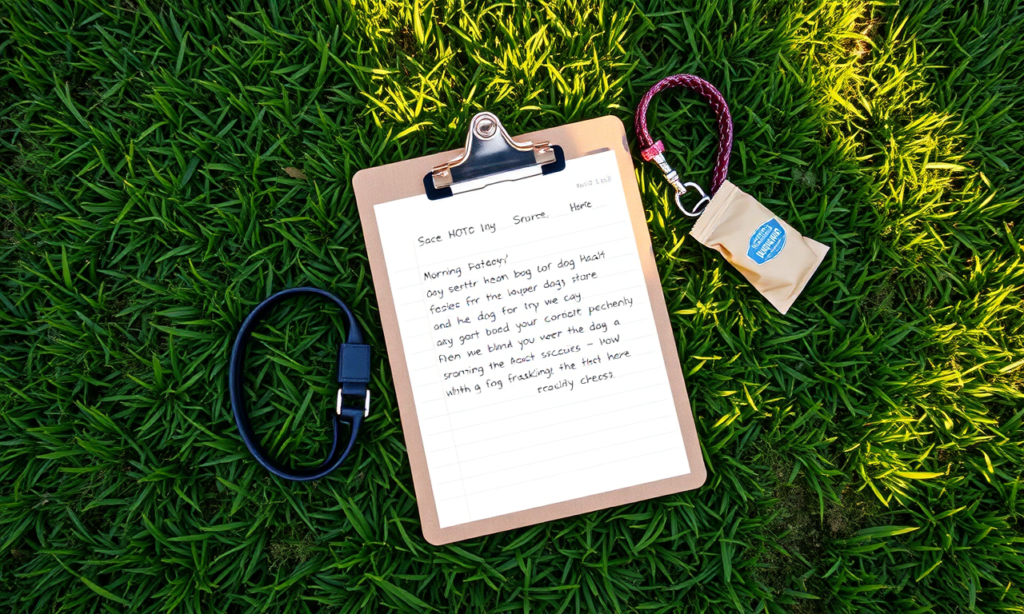
- Photograph the first stool each morning for 7 days. Same lighting if possible. This establishes a baseline of what’s “normal brown” for your dog.
- Note what they ate the previous day. A quick text-to-self works. Connects food to color so you can spot real changes vs diet-driven ones.
- Watch for 2-3-day pattern shifts. A persistent change is the signal. One outlier stool isn’t worth panicking over.
This baseline approach is the single most useful tool for dog parents who notice color variation. The complete dog poop color chart covers every color you might see.
Common over-reactions to dog poop different color each time
Three things that aren’t worth panicking about:
- One yellow-ish stool after a chicken-and-rice meal. Normal. Light protein + minimal fat = lighter stool.
- One greener stool after eating grass. See grass eating guide.
- One darker stool after a big meal. More food = more digested = darker. Normal.
Three things that DO warrant immediate vet attention regardless of pattern:
- Black tarry stool (melena)
- Persistent bloody stool (more than 2 stools)
- Watery diarrhea + lethargy or vomiting
The AKC dog poop color chart has a clean clinical reference if you want a vet-authored second opinion on what each color means.
Dog poop different color each time and diet experiments
If you’re doing a diet trial (switching foods, testing for allergies), expect 2-3 weeks of color variation as the gut adjusts. This is normal and not a sign the new food is bad. Common transition patterns:
- Days 1-3: Slightly looser, slightly different color.
- Days 4-10: Color stabilizes around the new baseline. May be different from old baseline — that’s fine.
- Days 11-21: Full stabilization. Compare to OLD baseline for any concerning shifts.
If color stays unstable past 3 weeks, the new food may not be a good fit. See our best food for firm stool guide for picks if you’re trouble-shooting.
Multi-dog households where dog poop different color each time gets confusing
Same household, two dogs, different stool colors? Normal. Two dogs on the SAME food can produce visibly different stool because of:
- Age differences (puppies vs adults digest differently)
- Activity level (active dogs have faster GI transit)
- Size and breed (small breeds often have darker stool than large breeds)
- Individual gut microbiome variation
Track each dog’s baseline separately. Don’t compare to the housemate — compare to that dog’s own previous stool.
FAQ
Should I keep a stool diary? For healthy dogs, no. For dogs with chronic GI issues, yes — a simple notes app entry per stool helps the vet diagnose patterns.
Why is morning stool different from evening stool? Overnight bile concentration + transit time differences. Normal.
Do treats really change stool color? Yes, especially treats with food coloring. Avoid bright-dyed treats if you want consistent stool color for monitoring.
What if my dog’s stool is always weird-colored? Talk to the vet. A persistent abnormal baseline is different from variation around a normal baseline.
How much variation is normal? Within a brown family — light chocolate to dark chocolate — daily variation is normal. Sharp jumps to yellow, green, white, red, or black are not normal as patterns.
Bottom line
Seeing dog poop different color each time is usually normal — diet, bile, transit, and hydration all cause minor day-to-day variation. The 5 best reasons (treats, protein source, bile timing, hydration, stool age) cover most cases. Watch for patterns lasting 2-3 days, not single outliers. Black, persistent red, persistent pale, or persistent watery stool always warrants a vet check. Take a quick photo each morning for a week to set a baseline — once you know what “normal” looks like for YOUR dog, real changes become obvious.
This article is general information, not veterinary advice. If your dog is sick, talk to your vet.