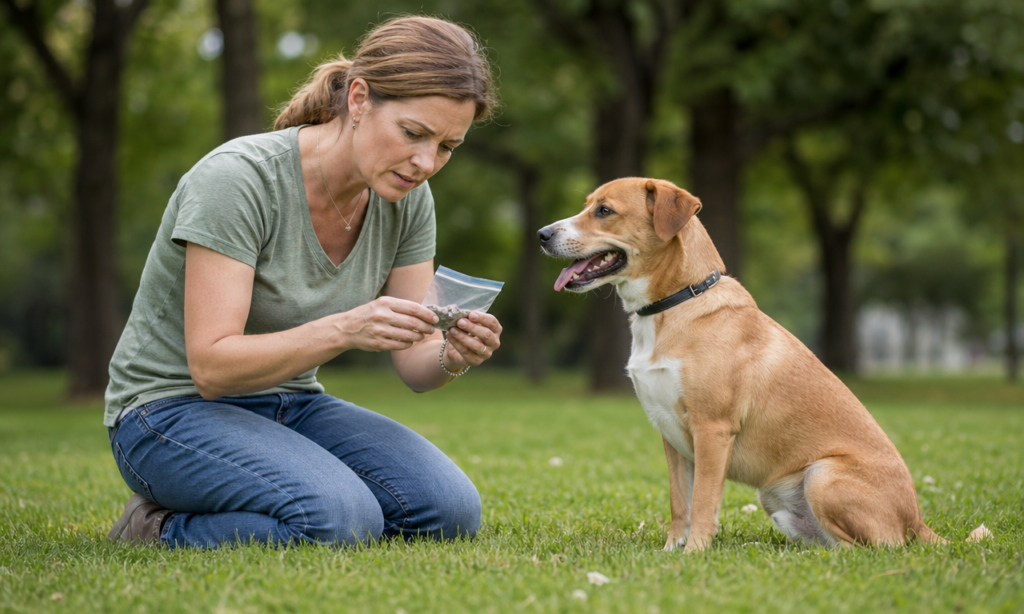
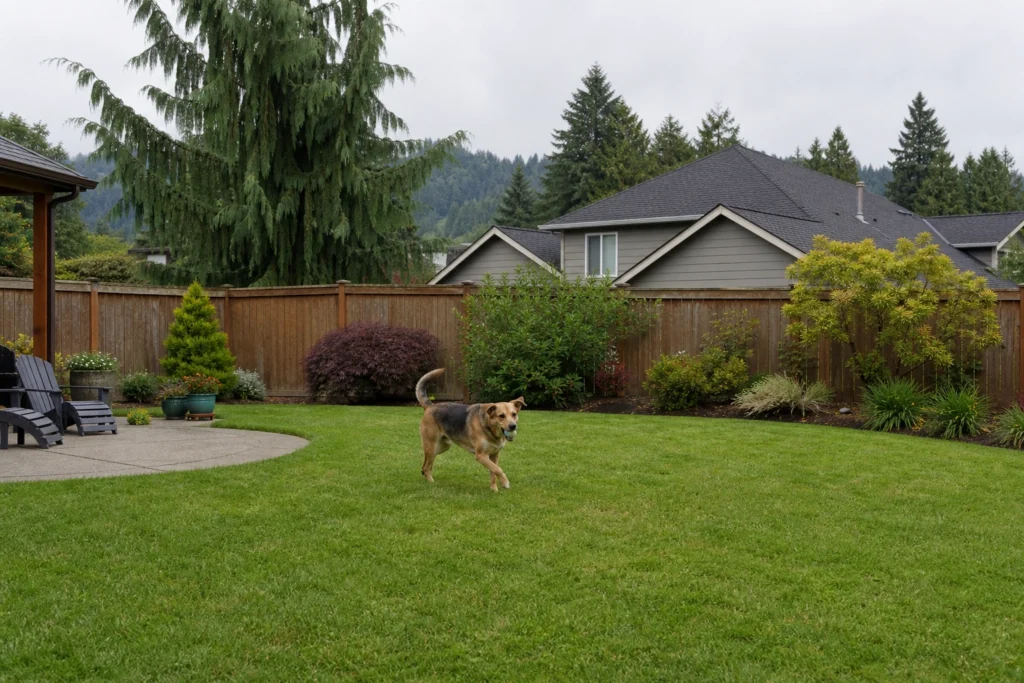
If you live in an HOA community and own a dog, understanding HOA rules dog poop regulations isn’t optional—it’s required. We’ve scooped hundreds of yards in HOA neighborhoods across the Tri-Cities, and we’ve seen firsthand how enforcement works, what triggers complaints, and what homeowners actually deal with when it comes to pet waste policies.
Most HOA rules dog poop policies boil down to immediate pickup requirements, designated disposal areas, and fines for violations. But the details matter, especially when neighbors start complaining or when your HOA sends that first warning letter.
The short answer
Nearly all HOA rules dog poop policies require immediate waste removal whenever your dog goes, whether on your property or common areas. Most HOAs mandate pickup within 24 hours maximum, proper disposal in sealed bags, and some restrict where you can place bagged waste. Violations typically start with warnings and escalate to fines ranging from $25 to $500+ per incident, with repeat offenses leading to more serious consequences.
What typical HOA rules dog poop policies actually say
We’ve read through dozens of CC&Rs (Covenants, Conditions, and Restrictions) from local neighborhoods, and while wording varies, the core requirements stay consistent. Most HOA rules dog poop sections include these standard provisions.
Immediate pickup requirements: The vast majority require you to pick up waste immediately—meaning right when it happens. Some give a 24-hour window for your own yard, but common areas always require immediate removal.
Proper disposal methods: You can’t just leave bagged poop sitting around. HOA rules dog poop disposal sections typically require sealed bags placed in your own garbage bin or designated pet waste stations if your community has them.
Common area restrictions: Dog parks, walking trails, and grassy common areas always fall under stricter enforcement. Many HOAs station cameras or hire patrol services specifically for these zones.
Your own yard matters too: Don’t assume HOA rules dog poop policies only apply to shared spaces. Many HOAs include provisions about visible waste in your yard, especially if it’s observable from the street or neighboring properties. We’ve seen violations issued for backyards visible through fence gaps.
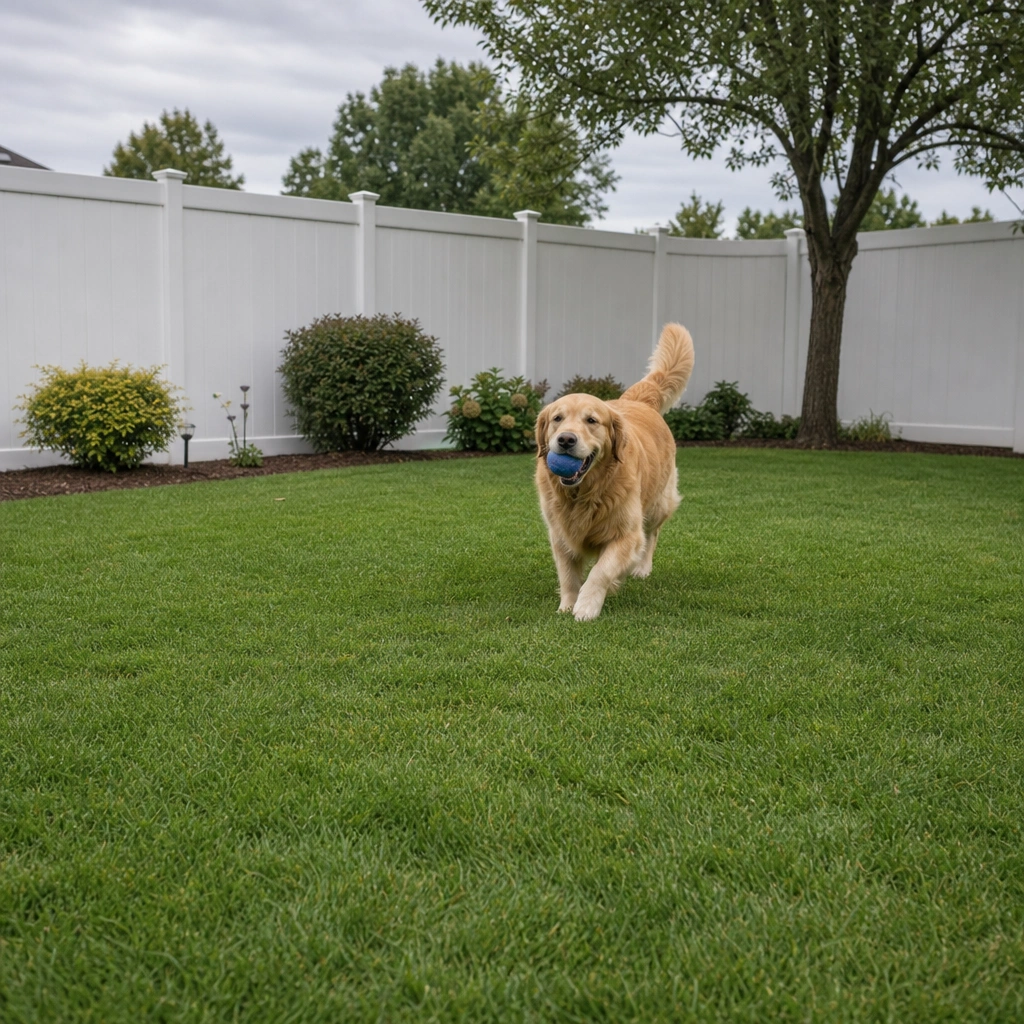
The 7 most common HOA rules dog poop violations we actually see
After years of working in HOA communities, these are the violations that actually get homeowners in trouble:
- Leaving waste in common areas: The number one violation. Even one incident can trigger a complaint if witnessed.
- Not carrying pickup bags on walks: Some HOAs require visible proof you have bags with you when walking your dog.
- Visible accumulation in your yard: Letting waste pile up for days or weeks, especially in front yards or visible side yards.
- Improper disposal: Placing bagged waste in recycling bins, landscaping areas, or common area trash cans not designated for pet waste.
- Letting your dog use neighbors’ yards: Even if you pick it up afterward, some HOA rules dog poop policies prohibit allowing your dog on others’ property.
- Failure to register your pet: Many HOAs require pet registration, and unregistered dogs face additional scrutiny.
- Repeat complaints: Once you’re on the HOA’s radar, enforcement becomes more aggressive regardless of actual violations.
Understanding HOA enforcement and fines
HOA rules dog poop enforcement varies widely, but here’s the typical escalation path we’ve observed in the Tri-Cities and beyond.
First offense: Usually a written warning with photos or witness statements. You’ll typically get 10-30 days to respond or correct the issue.
Second offense: Fines kick in, commonly $25-$100 for the first fine. The HOA may require proof of compliance, like receipts from a cleanup service or photos of your cleaned yard.
Ongoing violations: Fines increase with each incident. We’ve seen HOA rules dog poop fines reach $250-$500 for persistent violators. Some HOAs charge daily fines until the issue is resolved.
Severe cases: Continued violations can lead to restrictions on pet ownership, legal action, or even liens on your property if fines go unpaid. This is rare but legally possible under most CC&Rs.
The enforcement often depends on complaints. The more neighbors complain, the more aggressive the HOA becomes about monitoring and documenting violations.

How HOAs actually catch violations
You might wonder how HOA rules dog poop violations get discovered in the first place. Based on what we’ve seen, here are the real enforcement mechanisms:
Neighbor complaints: The overwhelming majority of violations stem from someone reporting you. If a neighbor sees you not picking up or notices accumulation in your yard, they’ll contact the HOA.
HOA patrols: Many larger communities employ patrol services that drive through regularly. They document visible violations with photos and timestamps.
Security cameras: Dog parks and high-traffic common areas often have surveillance. Some HOAs review footage specifically when complaints come in.
Property inspections: Periodic exterior inspections for landscaping compliance often catch visible waste accumulation. Inspectors document everything they can see from public vantage points.
Anonymous tips: Most HOAs accept anonymous reports, which means you might never know who complained.
The key factor: visibility. If waste is visible from streets, sidewalks, or neighboring properties, you’re at risk of a violation regardless of how quickly you typically clean up.
HOA rules dog poop policies for common areas vs. private yards
There’s an important distinction between what HOA rules dog poop policies can enforce in shared spaces versus your private property.
Common areas and shared spaces
HOAs have broad authority here. Sidewalks, walking trails, dog parks, retention ponds, landscaped areas, parking lots, and any other shared amenities fall under strict enforcement. Immediate pickup is always required, and most HOA rules dog poop sections include specific language about these zones.
Many communities provide waste stations with bags and disposal bins. Using them is often mandatory—you can’t carry bagged waste home if a station is nearby. Some HOAs fine residents who don’t use provided facilities.
Your private yard
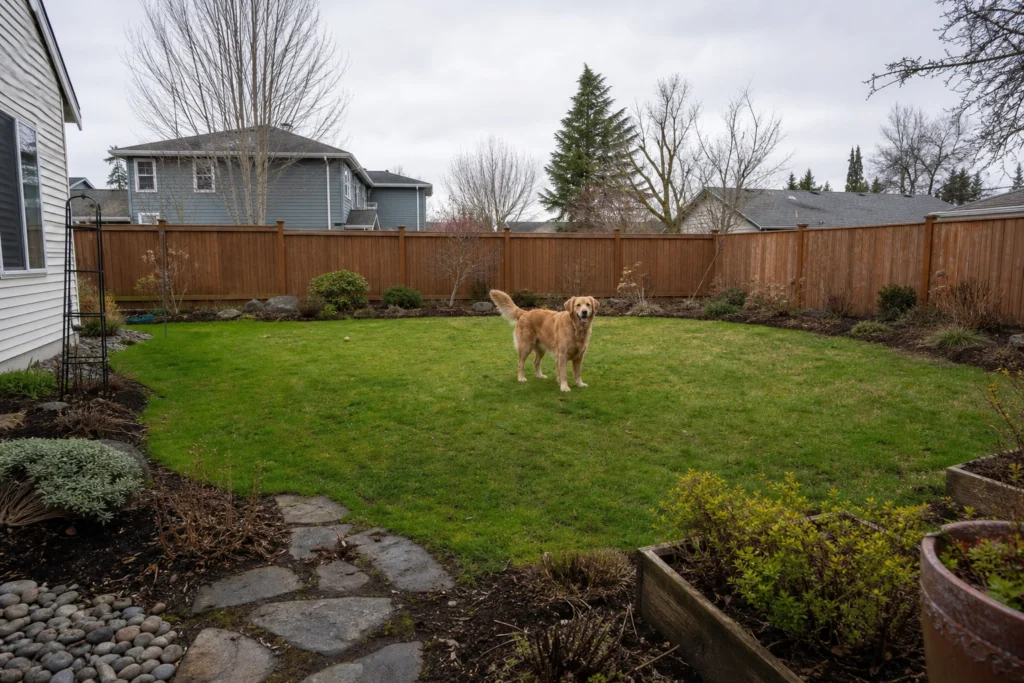
This gets murkier. HOAs can typically enforce visible nuisance standards, meaning if your neighbors can see or smell waste accumulation, you’re violating community standards even on your own property. But HOA rules dog poop enforcement in completely private, fenced backyards is harder.
That said, most CC&Rs include general “nuisance” clauses that give HOAs authority if waste creates odors, attracts pests, or otherwise affects neighbors. We’ve worked with homeowners who received violations specifically because neighbors complained about smells coming from their yards.
If you’re dealing with backyard cleanup challenges, regular maintenance makes a massive difference. Many homeowners in HOA communities use weekly or bi-weekly scooping services specifically to avoid accumulation that might trigger complaints.
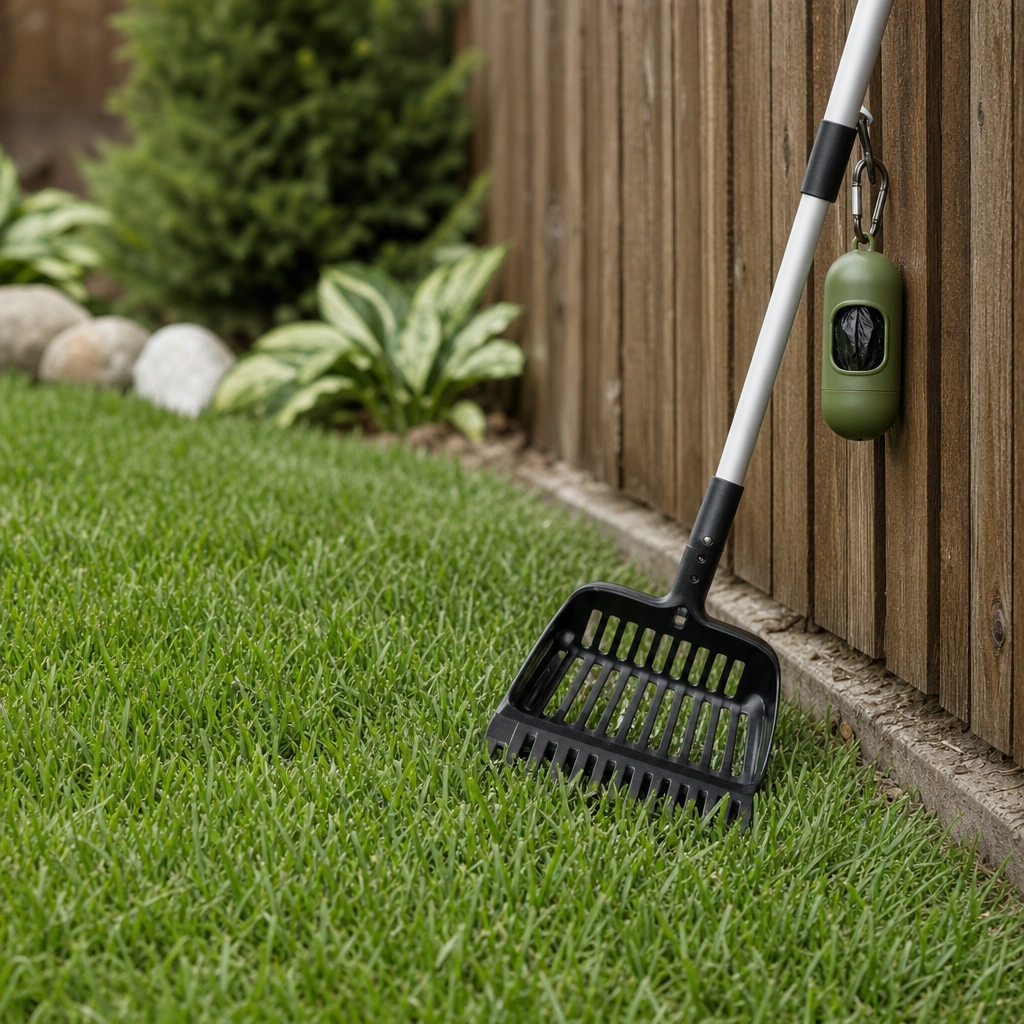
What to do if you receive an HOA rules dog poop violation notice
If you get a violation letter, here’s what we recommend based on what actually works:
Respond promptly: Most violation notices include a response deadline, usually 10-30 days. Missing it can result in automatic fines or escalation.
Document your compliance: Take dated photos showing your yard is clean. If you hire a service, keep receipts and service confirmations. For ongoing compliance, services like ours provide a gate photo after every visit, which serves as timestamped proof of regular maintenance.
Request evidence: You have the right to see the photos or witness statements supporting the violation. Sometimes complaints are mistaken—maybe a neighbor’s dog was the culprit.
Attend hearings if offered: Many HOAs allow you to present your case before fines are imposed. Coming prepared with photos and service records helps.
Address the underlying issue: If the violation is legitimate, fix it immediately and implement a system to prevent recurrence. HOAs are more lenient when they see genuine effort to comply.
Know your appeal rights: CC&Rs typically outline an appeal process. Use it if you believe the violation is unfair or the evidence is weak.
State and local laws vs. HOA rules dog poop policies
Here’s something many homeowners don’t realize: HOA rules dog poop policies must comply with state and local laws, but they can be more restrictive than municipal requirements.
In Washington State, counties and cities have their own pet waste ordinances. The EPA classifies pet waste as a pollutant that contributes to water contamination, and local regulations reflect this. Most Tri-Cities municipalities require waste pickup in public areas and parks.
Your HOA can’t override state law, but they can add requirements. For example, if city code requires pickup in parks, your HOA can additionally require pickup in your yard within 24 hours. You must follow whichever standard is stricter.
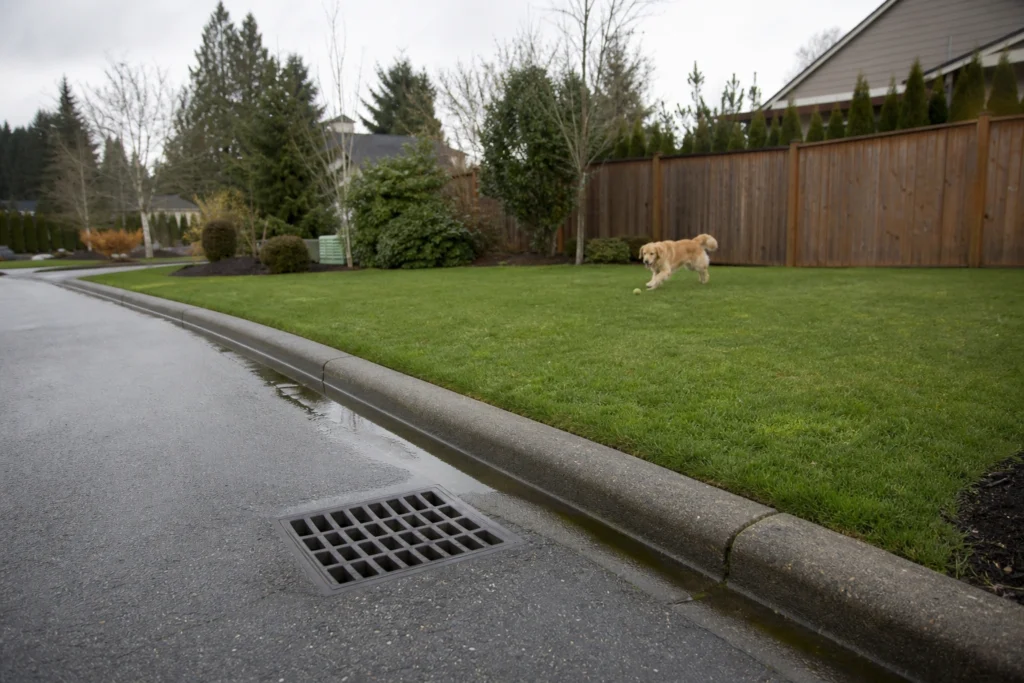
Understanding how dog waste affects water quality helps explain why both governments and HOAs take these rules seriously, especially in areas with stormwater runoff concerns.
Solutions that actually work for HOA compliance
After working with hundreds of HOA homeowners, here’s what keeps people consistently compliant with HOA rules dog poop requirements:
Scheduled professional service: Weekly or bi-weekly visits eliminate the accumulation problem entirely. Your Local Scoop provides text reminders before we arrive and sends a gate photo after every cleanup—both helpful for documentation if questions ever arise. Most of our HOA clients choose this specifically to avoid violations.
Daily personal routine: Set a specific time each day for yard pickup, ideally morning or evening. Make it non-negotiable like feeding or walking your dog.
Multiple waste stations: Place small bins with bags in several yard locations. The easier pickup is, the more consistently you’ll do it. Keep a good bag holder clipped to your leash for walks.
Visual barriers: If your yard is visible to neighbors and you have trouble maintaining daily pickup, privacy fencing or strategic landscaping reduces visibility that triggers complaints.
Communication with neighbors: If a neighbor complains, talking to them directly (if you know who it is) can sometimes resolve issues before HOA involvement escalates.
Proper disposal strategy: Invest in a dedicated waste bin with a tight lid to control odors. Some neighborhoods offer garbage can rollout services that ensure your bin is at the curb every collection day—we offer this as an add-on specifically because proper disposal matters as much as pickup.
Special considerations for multi-dog households
If you have multiple dogs, HOA rules dog poop compliance becomes exponentially harder. The volume of waste increases dramatically, and accumulation happens faster.
Many HOAs limit the number of pets per household—commonly two to three dogs maximum. Exceeding this limit can void your right to have pets at all, so check your CC&Rs carefully.
For multi-dog homes, daily cleanup becomes nearly impossible to maintain long-term. We’ve found that twice-weekly professional service is the minimum for most two-dog households in HOA communities. It prevents visible accumulation and keeps odors under control.
Some HOAs require additional pet deposits or fees for multiple dogs. Factor this into your decision about how many pets to have.
What about visitors’ dogs and HOA rules dog poop?
Here’s a frustration we hear constantly: someone else’s dog created the mess, but you got the violation because it’s on or near your property.
Most HOA rules dog poop policies make homeowners responsible for waste on their property regardless of which dog deposited it. If a visitor’s dog goes in your yard, you’re expected to clean it up.
For waste in common areas near your home, you’re generally not responsible unless you’re identified as the dog owner present when it happened. But if neighbors consistently see dogs at your house and waste appears nearby, you might receive complaints even if your dog wasn’t the culprit.
Best practice: if you have guests with dogs, brief them on your HOA rules dog poop requirements and provide them with bags. Better yet, clean up after their dogs yourself to ensure it’s done properly.
New homebuyer considerations
If you’re buying a home in an HOA community and have dogs, review the CC&Rs and pet policies before closing. Look specifically for:
- Breed restrictions (some HOAs ban specific breeds entirely)
- Weight limits (common maximums are 25-50 pounds)
- Number of pets allowed
- Specific HOA rules dog poop language and fine schedules
- Required pet registration processes and fees
- Designated dog areas or restrictions on where dogs can be outside
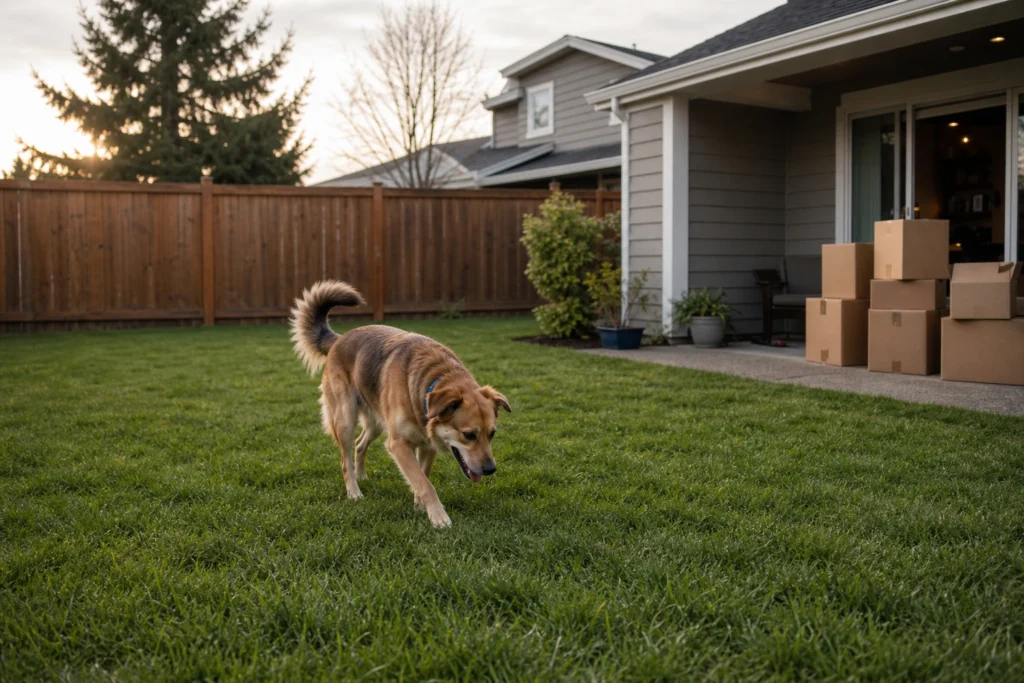
We’ve helped new homeowners with yard prep when moving into a house with dogs, and HOA compliance is often a primary concern. Setting up a maintenance routine from day one prevents you from ever appearing on the HOA’s radar.
If you’re moving into a home with existing waste accumulation from previous owners, document it with photos before moving in. Some HOAs have tried to fine new owners for conditions that existed before purchase.
How often you really need to clean to stay compliant
The honest answer depends on your specific HOA rules dog poop policy wording, your yard’s visibility, and your neighbors’ tolerance levels. But here’s what we’ve observed:
Minimum legal compliance: Most policies require pickup within 24 hours, which technically means daily cleanup.
Practical compliance that avoids complaints: Every 2-3 days maximum if your yard isn’t visible, daily if it is.
Gold standard: Immediate pickup or twice-daily sweeps (morning and evening) for multiple dogs.
Weather matters too. In summer heat, waste degrades faster and smells worse—neighbors notice and complain more. Our summer service requests always spike because HOA residents know odor complaints lead to violations.
Winter creates different challenges, especially when snow melts in spring and reveals months of accumulated waste. That spring thaw visibility has triggered countless violations.
Working with your HOA board on pet waste issues
If your community has widespread compliance problems or inadequate facilities, consider working with your HOA board rather than against them. Here’s what can help:
Propose waste stations: If your neighborhood lacks them, volunteer to research costs and placement options. Boards appreciate homeowners who bring solutions, not just complaints.
Suggest clearer signage: Many violations happen because residents don’t know the rules. Better communication benefits everyone.
Advocate for reasonable policies: If your HOA rules dog poop fines seem excessive compared to other violations, gather data from comparable communities and present alternatives.
Form a pet owners’ committee: In larger communities, an official group can communicate pet-related concerns to the board and help educate residents on compliance.
Remember that board members are fellow homeowners, usually volunteers. Approaching them respectfully with constructive suggestions works better than combative complaints.
When HOA rules dog poop enforcement goes too far
Occasionally, enforcement becomes unreasonable or violates your legal rights. Red flags include:
- Fines issued without proper notice or evidence
- Violations for waste on property you don’t own or control
- Selective enforcement (similar violations ignored for some homeowners but not others)
- Rules retroactively applied or changed without proper notice
- Harassment or threats beyond normal violation procedures
If you believe enforcement is unfair, document everything: dates, communications, photos, witness statements. Review your CC&Rs and bylaws carefully—HOAs must follow their own procedures.
Consider consulting a real estate attorney who specializes in HOA disputes if fines become substantial or if you’re facing liens or legal action. Some HOAs have overstepped their authority, and legal precedent exists for challenging unreasonable enforcement.
That said, the vast majority of HOA rules dog poop violations are legitimate and avoidable. Compliance is almost always easier and cheaper than fighting enforcement.
Resources and tools for easier compliance
Staying compliant doesn’t have to consume your life. A few practical tools make it manageable:
Calendar reminders: Set phone alerts for daily or every-other-day cleanup if you’re handling it yourself.
Quality bags and dispensers: Cheap bags break and make the job harder. Invest in reliable supplies. Biodegradable options are available if environmental impact concerns you.
Proper containers: A dedicated bin with tight seal prevents odors that trigger neighbor complaints.
Professional service: For most HOA homeowners we work with, weekly service through Your Local Scoop is the simplest solution. We offer flexible plans—weekly, bi-weekly, or monthly—with text reminders before we arrive and a gate photo after every visit. No contracts, so you can adjust as needed. Online signup takes about two minutes.
Yard deodorizing: If odor has become an issue, specialized treatments can help reset your yard’s smell profile while you establish a better maintenance routine.
You can find additional questions and answers about service details in our FAQ section.
The bottom line on HOA rules dog poop compliance
Understanding and following HOA rules dog poop policies protects your investment, your relationship with neighbors, and your ability to keep your dogs in your home. The rules exist for legitimate reasons—pet waste creates health hazards, environmental contamination, and nuisance issues when not properly managed.
Compliance comes down to three things: know your specific HOA requirements, establish a reliable cleanup routine, and document your efforts. Whether you handle cleanup yourself or hire a service, consistency is what keeps you off the HOA’s violation list.
After scooping hundreds of yards in HOA communities across Kennewick, Pasco, and Richland, we’ve seen that homeowners who treat waste management as a regular maintenance task—like mowing or watering—never have problems. It’s the ones who let it slide for a week or two who end up with warning letters and fines.
The good news: once you have a system in place, staying compliant with HOA rules dog poop requirements becomes automatic. And a clean yard benefits you just as much as it satisfies your HOA and neighbors.
Rather never scoop again?
That is literally our job. Scheduled cleanups across Kennewick, Pasco & Richland – text reminders before, gate photo after, no contracts.