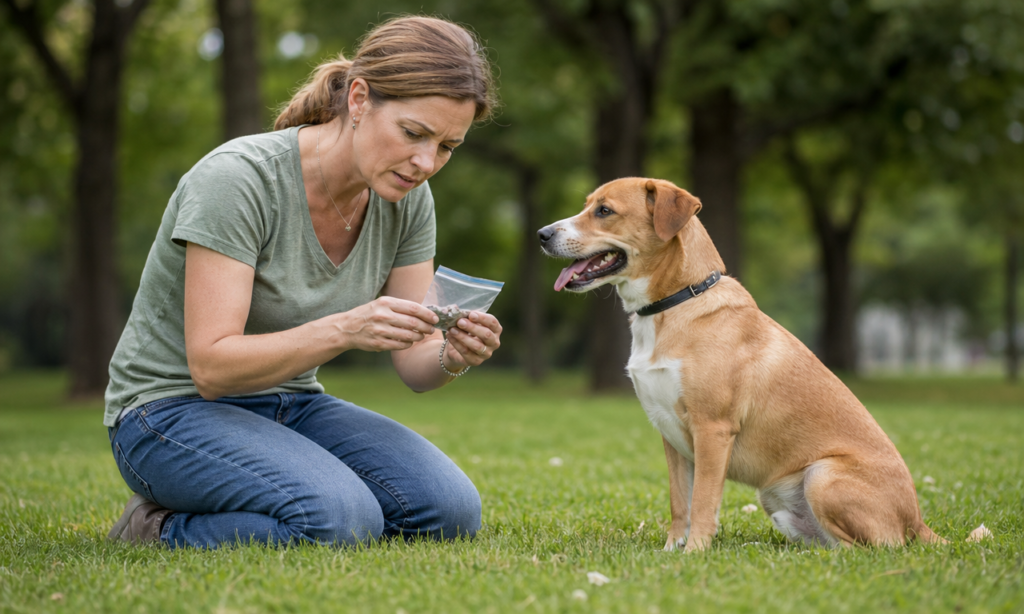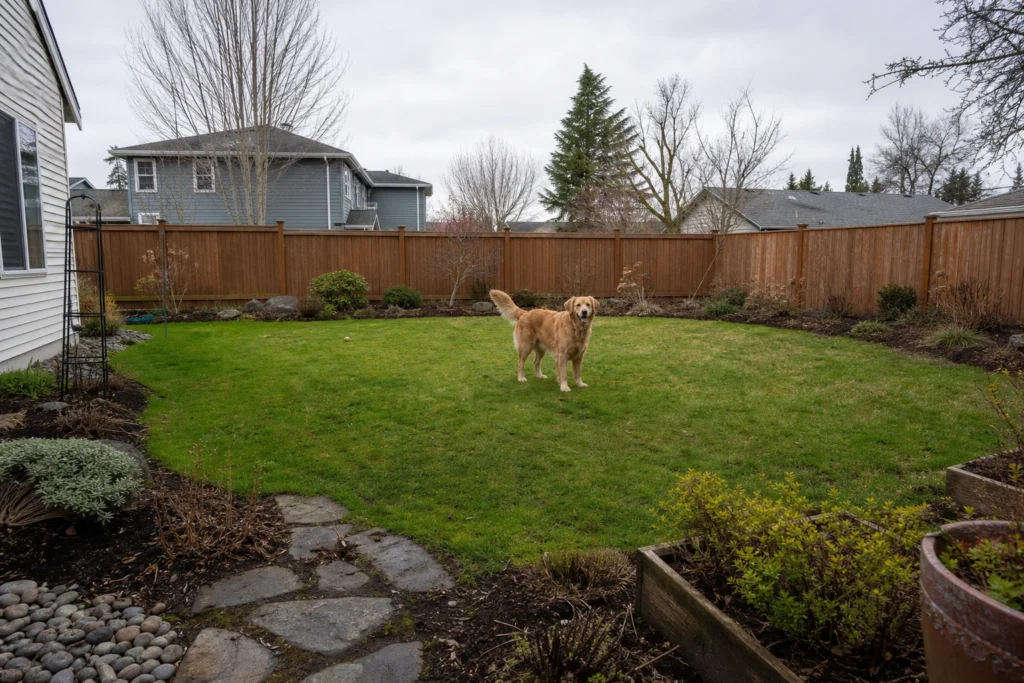
If you’ve ever peeled back the last patches of snow in March only to discover a winter’s worth of frozen dog poop thawing into your lawn, you know the exact feeling. That sinking realization that spring yard cleanup dog poop is about to become your weekend project. We’ve scooped hundreds of yards coming out of winter in the Tri-Cities, and the mess is real.
The good news? With the right approach, you can get through it faster than you think.
The Short Answer
Spring yard cleanup dog poop requires tackling months of accumulated waste before it soaks into your lawn or washes into storm drains. Pick up all visible waste first using a scooper and bags, rake matted areas to lift debris, apply lawn treatment if needed, and establish a regular pickup schedule to prevent another spring disaster.
For severely neglected yards, expect to spend 2-4 hours on the initial cleanup depending on yard size and number of dogs.
Why Spring Yard Cleanup Dog Poop Is Different
Winter poop isn’t like summer poop. It freezes, gets buried under snow, and waits. Then spring hits and everything thaws at once. You’re not dealing with fresh waste—you’re dealing with decomposing, semi-liquefied, ground-in waste that’s had months to bond with your grass.
The freeze-thaw cycle also breaks down the structure of the waste, making it messier and harder to pick up cleanly. Add rain into the mix, and you’ve got a recipe for lawn damage, odor, and potential runoff issues.
This is why tackling the mess early matters, before the first big rainstorm washes everything into places you don’t want it.
In the Tri-Cities, we typically see the worst situations in late February through early April, depending on when the weather breaks. The faster you address it, the better your lawn will recover.

Step 1: Gear Up Before You Start Your Spring Yard Cleanup Dog Poop
You need the right tools or this job becomes ten times worse. Here’s what actually works:
- A quality pooper scooper with a rake and pan setup (not the claw style—those don’t work on soggy spring waste)
- Heavy-duty bags that won’t rip when full of wet waste
- Garden gloves you can throw away afterward
- A yard rake for matted grass areas
- A bucket or large garbage bag as a collection point
- Optional: a hose for rinsing tools and really bad spots
Don’t try to handle the work barehanded or with flimsy grocery bags. You’ll regret it halfway through when something goes wrong.
Step 2: Do a Full Yard Walk-Through
Before you start scooping, walk your entire yard and identify problem areas. Look for:
- Piles that are partially buried or frozen into the ground
- Areas where grass is matted down or discolored
- Spots along fences or in corners where waste tends to accumulate
- Any areas where snow melt created channels that might have moved waste around
This reconnaissance helps you plan your approach. Start with the worst areas first while you still have energy, then work your way to cleaner sections.
Step 3: Pick Up All Visible Waste During Spring Yard Cleanup Dog Poop
This is the main event. Work systematically—pick a corner and move in rows or sections so you don’t miss spots. Use your scooper to lift waste into bags, and don’t worry about getting every tiny fragment on this first pass.
For poop that’s frozen to the ground, you have two options: wait a few hours for it to thaw, or use the edge of your scooper to chip it up. Trying to force frozen waste usually just breaks it into smaller pieces that are harder to collect.
If you encounter waste that’s basically liquefied into the lawn, skip it for now. You’ll address those spots in the next steps. The goal of this phase is to get all the solid and semi-solid material off your property.
For context, a typical Tri-Cities yard with one medium-sized dog can accumulate 20-30 pounds of waste over a winter if it’s not picked up regularly. That’s a lot of bags.
Step 4: Rake and Refresh Matted Areas
Once the bulk waste is gone, grab your yard rake and work through areas where grass is matted or compacted. The freeze-thaw cycle plus the weight of snow and waste can compress grass and trap debris at soil level.
Rake gently to lift the grass blades and dislodge any remaining fragments. You’ll probably find more waste you missed on the first pass—that’s normal. Collect it and keep going.
This raking also helps aerate the lawn slightly and prepares it for recovery. Dead grass and thatch will come up too, which is fine. Your lawn needs to breathe after being buried all winter.
Step 5: Address Lawn Damage and Odor
Dog waste is high in nitrogen, and concentrated deposits can burn grass, leaving brown patches. After your cleanup is mostly complete, assess your lawn damage.
For minor discoloration, a thorough watering and time will usually fix it. For serious burn spots, you may need to:
- Rake out dead grass
- Add topsoil to level the area
- Overseed with grass seed matched to your existing lawn
- Water consistently until new grass establishes
If odor is an issue, you have a few options. Rinsing the area with a hose helps dilute and wash away residue.
Some people use yard deodorizing products (we offer this as an add-on for our regular clients), or you can make a simple solution of water and white vinegar to spray on problem spots.
Just don’t use anything that could harm your grass or pets. Stick to pet-safe products or plain water for odor control.
Step 6: Dispose of Waste Properly
Now you’ve got bags full of waste. Where does it go? In the Tri-Cities, dog waste goes in your regular trash. It should not go in yard waste bins, compost (unless you have a specialized system), or storm drains.
Dog waste can carry harmful bacteria and parasites that contaminate water sources. According to the U.S. Environmental Protection Agency, pet waste is classified as a pollutant similar to oil and toxic chemicals.
That’s why proper disposal matters more than most people realize.
The nutrients in dog waste contribute to algae blooms that deplete oxygen in water and harm aquatic life. The bacteria pose risks to wildlife and people who use those waterways for recreation.
If you’re curious about the environmental impact, check out more details on how dog poop affects water pollution. The short version: it’s not fertilizer, and leaving it on your lawn or letting it wash into streets creates real problems downstream.
For DIY composting (which requires specific conditions and isn’t for everyone), we’ve covered how to build a dog poop composter if you want to explore that route.
Step 7: Prevent Next Year’s Spring Yard Cleanup Dog Poop Nightmare
The absolute best way to make future cleanups easier is to not let waste accumulate in the first place. That sounds obvious, but winter makes people lazy. It’s cold, it’s dark early, and the poop freezes so it doesn’t smell. Easy to ignore.
But those months add up. A few options to prevent the cycle:
- Pick up at least once a week all winter – yes, even when it’s freezing
- Designate a “potty area” in your yard so waste is concentrated and easier to manage
- Use a covered waste station outdoors so you don’t have to bring bags into the house
- Hire a service to handle it year-round so it’s never your problem
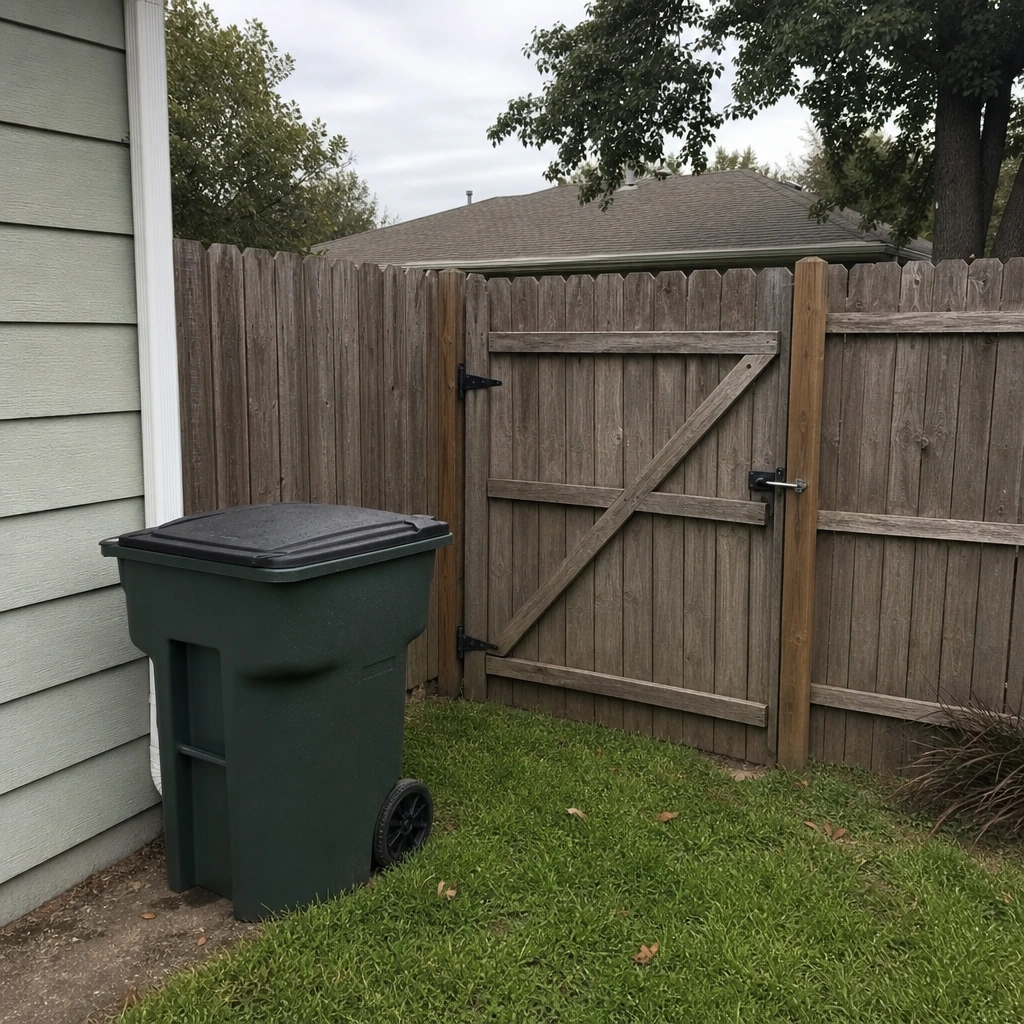
Your Local Scoop runs year-round service across Kennewick, Pasco, and Richland. We offer weekly, bi-weekly, or monthly plans depending on your needs, and we send text reminders before we arrive plus a gate photo after every cleanup.
If you’d rather skip the whole ordeal next year, you can see plans and pricing on our services page.
How Long Does Spring Yard Cleanup Dog Poop Actually Take?
Real talk: it depends on how bad you let it get. Here’s what we’ve seen in the field:
| Yard Size | Number of Dogs | Months Neglected | Estimated Cleanup Time |
|---|---|---|---|
| Small (<2000 sq ft) | 1 | 3-4 months | 1-2 hours |
| Medium (2000-5000 sq ft) | 1-2 | 3-4 months | 2-3 hours |
| Large (>5000 sq ft) | 2+ | 4+ months | 3-5+ hours |
These are estimates for one person working at a steady pace. If you’ve got help, cut the time roughly in half.
If your yard is especially neglected or has lots of obstacles (shrubs, play equipment, tight spaces), add time.
The first major cleanup is always the worst. Once you’re caught up and maintain it, future cleanups take a fraction of the time.
Common Spring Yard Cleanup Dog Poop Mistakes to Avoid
We’ve seen people make these mistakes over and over. Learn from their pain:
Waiting too long. The longer you wait, the more waste breaks down and soaks into your lawn. The smell gets worse, the mess gets worse, and your grass suffers more damage. Do the work as soon as the ground is workable.
Using the wrong bags. Thin bags rip. Double-bagging is annoying and wasteful. Just buy decent bags from the start. If you’re curious about eco-friendly options, we’ve written about whether biodegradable dog poop bags are worth it.
Skipping the rake step. If you only pick up the obvious piles and don’t rake matted areas, you’re leaving behind a layer of waste fragments that will smell and damage grass as temperatures rise. Finish the job properly or you’ll regret it in May.
Ignoring safety. Wear gloves. Wash your hands thoroughly afterward. If you have any cuts or scrapes, cover them. Dog waste can carry parasites, bacteria, and pathogens that you don’t want to mess with. Take it seriously.
Doing it all in one exhausting marathon. If your yard is really bad, break the work into two sessions. Do the bulk pickup one day, then come back for raking and detail work another day. Your back will thank you.
What If Your Yard Is Beyond DIY?
Sometimes you walk outside, look at the situation, and know immediately that you’re not doing this yourself. Maybe you don’t have the time, the tools, or the stomach for it. That’s completely valid.
Professional services (like ours) exist specifically for this reason. We’ve handled situations that would make most people turn around and move to a condo.
Yards neglected for entire winters, multi-dog households, elderly clients who physically can’t do the work—we’ve seen it all.
The process is simple. You sign up online (takes about two minutes), choose your service frequency, and we handle the rest. We send a text reminder before we come, scoop everything, bag it, and leave a photo of your closed gate when we’re done.
No contracts, and you can adjust or pause service anytime through our FAQ page or client portal.
If you’re on the fence about whether a service is worth it, consider what your time is worth. If the work takes you four hours and you’d rather spend that time literally anywhere else, the math usually works out.
Health and Safety Considerations
Dog waste isn’t just gross—it’s a legitimate health concern. It can contain bacteria like E. coli and Salmonella, parasites like roundworms and hookworms, and other pathogens that can infect humans and other animals.
When you’re handling concentrated amounts of this stuff, safety rules matter:
- Always wear gloves and wash hands thoroughly with soap and water afterward
- Don’t let kids play in areas you haven’t cleaned yet
- Keep other pets away from waste piles during cleanup
- If you have open wounds, either cover them well or skip the cleanup until they’re healed
- Don’t eat, drink, or touch your face while working
According to the Centers for Disease Control and Prevention, proper disposal of pet waste is an important step in preventing disease transmission.
That’s why this isn’t just about aesthetics or lawn health—it’s about keeping your family and community safe.
Tools and Products That Actually Help
Not all poop scoopers are created equal. After years of scooping Tri-Cities yards, here’s what actually holds up:
Rake-and-pan style scoopers work best for spring conditions. The rake can handle matted grass and semi-frozen waste, and the pan gives you control. Claw-style scoopers are fine for fresh waste on clean lawns, but they struggle with spring messes.
Heavy-duty bags rated for yard waste hold up better than standard dog poop bags when you’re doing bulk cleanups. You’re filling bags much fuller than during routine pickups, so strength matters.
A dedicated yard bucket or bag holder keeps your collection bag open and stable while you work. Chasing a bag that keeps falling over gets old fast. Some people like dedicated bag holder systems for this.
A spray nozzle for your hose helps rinse tools and spot-treat stained areas. Get one with adjustable pressure so you can blast tools clean without wasting water.
Lime or yard deodorizer can help with lingering odors after you’ve completed the physical cleanup. Just make sure any product you use is pet-safe before applying it.
The Environmental Impact of Skipping the Work
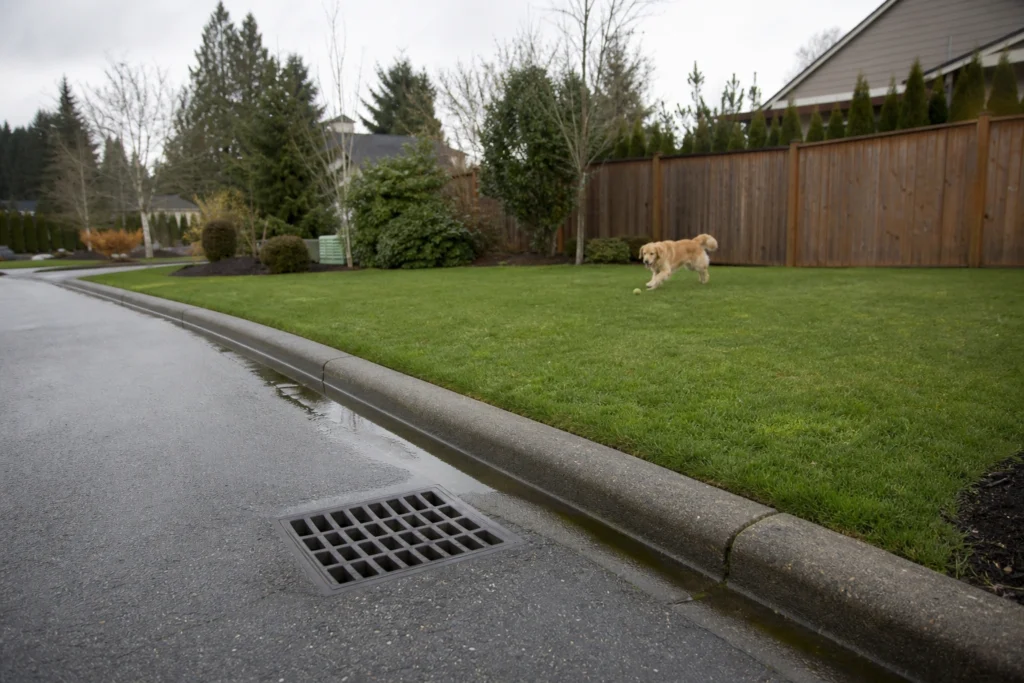
When spring rains hit, neglected dog waste doesn’t just disappear. It washes into storm drains, which in most cities (including the Tri-Cities) flow directly into rivers and streams without treatment. That waste carries bacteria, excess nutrients, and parasites into waterways.
The nutrients in dog waste (nitrogen and phosphorus) contribute to algae blooms that deplete oxygen in water and harm aquatic life. The bacteria and pathogens pose risks to wildlife and people who use those waterways for recreation.
This is why proper cleanup matters beyond your property line.
In urban and suburban areas, pet waste is one of the leading contributors to stormwater pollution. The more homeowners who stay on top of cleanup, the cleaner our local water stays.
We’ve covered this in more detail in our article on dog poop and water pollution.
Doing your work thoroughly and on time is a small but meaningful way to be a responsible pet owner and community member.
When to Call It and Get Professional Help
You don’t get extra credit for suffering through a miserable job if you don’t have to. Here are signs it’s time to call in help:
- Your yard hasn’t been scooped in four or more months
- You have multiple large dogs and a big yard
- You have physical limitations that make bending and lifting difficult
- The smell is so bad that neighbors might complain
- You’ve started the job twice and quit both times
- You’d honestly rather pay someone than spend your Saturday doing this
There’s no shame in outsourcing. We scoop yards for busy professionals, elderly folks, people recovering from injuries, and plenty of people who simply have better things to do with their weekends. It’s a service that exists because the need is real.
If you’re in Kennewick, Pasco, Richland, Finley, or Burbank, Your Local Scoop can handle one-time spring cleanups or set you up with ongoing service so you never face another spring disaster.
We also offer add-ons like yard deodorizing and garbage can rollout if those would make your life easier.
The Real Cost of Neglecting the Work
Beyond the obvious gross factor, letting things slide has real consequences:
Lawn damage. Concentrated waste burns grass and creates dead patches that require reseeding and extra care to repair. The longer it sits, the worse the damage.
Pest attraction. Flies, rodents, and other pests are drawn to waste. A neglected yard becomes a breeding ground, and those pests don’t stay in your yard—they spread to your house and your neighbors’ properties.
Odor complaints. As temperatures rise, so does the smell. If it gets bad enough, neighbors may complain or even report you to local authorities in some jurisdictions.
Health risks. Kids and pets playing in contaminated yards are at risk for parasitic infections and bacterial illnesses. It’s not worth gambling with their health to avoid an afternoon of work.
Property value. If you’re planning to sell, a yard full of waste (or a lawn damaged from neglect) is an instant turnoff to buyers. Realtors will tell you curb appeal includes the backyard.
Investing a few hours in cleanup prevents all of these problems and costs nothing but your time and some trash bags.
Making It Easier Next Year
Once you’ve survived this year’s cleanup, make a plan so next spring is better. The key is preventing the buildup in the first place.
Set a reminder on your phone for weekly winter pickups. Yes, it’s cold. Yes, it’s dark. Do it anyway. Even a quick ten-minute pickup once a week prevents the apocalypse.
If weekly is too much, aim for bi-weekly at minimum. The goal is to never let more than two weeks of waste accumulate, even in winter.
This keeps quantities manageable and prevents the freeze-thaw breakdown that makes spring cleanup so miserable.
Alternatively, sign up for a service that runs year-round. Your Local Scoop operates through Tri-Cities winters specifically so our clients don’t have to. We show up on schedule regardless of weather, scoop everything, and you never think about it. That’s the whole point.
You can explore service options and sign up in about two minutes at our services page. Choose weekly, bi-weekly, or monthly depending on your needs and number of dogs. We’ll send you a text before each visit and a gate photo when we’re done.
Understanding Seasonal Waste Patterns
Spring isn’t the only challenging season for dog waste management, but it’s unique because of the accumulated backlog. Understanding seasonal patterns helps you plan better year-round.
Winter accumulation happens because frozen waste doesn’t decompose normally. It piles up under snow, and each freeze-thaw cycle makes it harder to remove cleanly. By March, you might have three to four months of waste waiting to be addressed.
Spring thaw brings the reckoning. Everything melts at once, creating that overwhelming mess. This is when most people finally face the problem, often waiting until temperatures hit 50-60 degrees consistently.
Summer maintenance is easier if you stay on top of it. Fresh waste is simpler to pick up, and regular weekly or bi-weekly cleanups prevent buildup. The main summer challenge is odor, which intensifies in heat.
Fall preparation matters because this is when you set yourself up for winter success or spring disaster. If you let waste accumulate in November and December, you’re creating next spring’s problem.
The pattern is clear: consistent maintenance through all seasons prevents the need for intensive spring yard cleanup dog poop marathons. Breaking that cycle makes dog ownership more pleasant year-round.
Training Your Dog to Use a Designated Area
One strategy that makes cleanup significantly easier is training your dog to use a specific potty area in your yard. This concentrates waste in one manageable zone rather than scattering it across your entire property.
Start by choosing a spot that’s convenient for cleanup but away from high-traffic areas like patios or play zones. Mulch, gravel, or artificial turf work well for designated potty areas because they’re easier to clean than grass.
Training takes consistency. Each time you let your dog out, lead them to the designated area and use a command like “go potty.” Reward them when they use the spot correctly. Most dogs catch on within a few weeks if you’re consistent.
The payoff comes during spring yard cleanup dog poop sessions. Instead of searching your entire yard, you can focus on one concentrated area. This cuts cleanup time dramatically and preserves the rest of your lawn.
Some of our clients have reported cutting their cleanup time by 50-60% after successfully implementing a designated potty area. It’s especially effective if you have a larger yard or multiple dogs.
What to Do With Severely Damaged Lawn Areas
Sometimes spring yard cleanup dog poop reveals lawn damage that goes beyond minor brown spots. If you’re facing significant dead patches or areas where grass won’t grow back on its own, here’s the recovery process:
Assess the damage. Walk your yard and identify all problem areas. Take photos if it helps you track recovery progress. Note whether the soil seems compacted or if there are drainage issues contributing to the problem.
Remove dead material. Use a rake to clear out dead grass, thatch, and any remaining waste residue. You want to get down to soil level in damaged areas.
Test and amend soil. Dog waste can alter soil pH and nutrient levels. For severe damage, consider a basic soil test (available at most garden centers).
Add lime if soil is too acidic, or sulfur if it’s too alkaline. Work in fresh topsoil or compost to replenish depleted areas.
Reseed strategically. Choose grass seed that matches your existing lawn type. In the Tri-Cities, perennial ryegrass and fine fescue blends work well. Apply seed according to package directions, usually at higher rates for bare spots than for overseeding.
Water consistently. New grass needs regular moisture to germinate and establish. Plan to water daily or every other day for the first few weeks, then gradually reduce frequency as grass matures.
Protect the area. Keep your dog off reseeded areas for at least 3-4 weeks. Use temporary fencing or redirect them to other parts of the yard during recovery.
Full recovery typically takes 6-8 weeks. Once new grass is established, maintain regular cleanup schedules to prevent the damage from recurring.
The Psychology of Procrastination With Yard Cleanup
Let’s be honest about why spring yard cleanup dog poop gets postponed. It’s not just about being busy. There’s a psychological barrier to starting an unpleasant task, especially one that’s been building up for months.
The longer you avoid it, the worse it gets, which makes it even harder to start. That’s the procrastination trap.
You walk outside, see the scope of the problem, feel overwhelmed, and go back inside. Repeat weekly until the guilt and smell force action.
Breaking this cycle requires strategy:
Set a firm deadline. “I will complete yard cleanup by April 15” is more effective than “I should do that soon.” Put it on your calendar like any other appointment.
Prep the night before. Gather all your tools and supplies so there’s no excuse to delay when the day arrives. Having everything ready removes one more barrier to starting.
Start with just 15 minutes. Tell yourself you’ll work for 15 minutes and then reassess. Often, once you’ve started, continuing is easier than you expected. The hardest part is beginning.
Recruit help. Whether it’s a family member, friend, or professional service, having support makes the task less daunting. Two people can often finish in half the time while making the work more tolerable.
Reward yourself. Plan something enjoyable for after the cleanup is done. Knowing you have a nice dinner, relaxing evening, or other treat waiting can provide motivation to push through.
If none of this works and you still can’t make yourself start, that’s valid feedback. Maybe this genuinely isn’t a task you should be doing yourself.
Professional services exist for exactly this reason, and using them isn’t a failure—it’s a practical solution.
Final Thoughts
Nobody loves spring yard cleanup dog poop. It’s one of the least glamorous parts of dog ownership, and after a long winter, it’s tempting to procrastinate. But putting it off only makes it worse.
The good news is that once you’ve done it, you’re done. Your yard is clean, your dog has a safe space to play, and you can actually enjoy your outdoor space without watching every step.
And if you commit to regular maintenance going forward—whether DIY or professional—you’ll never face a spring disaster like this again.
We’ve scooped enough Tri-Cities yards to know that the first big cleanup is always the hardest. After that, staying on top of it is easy. The difference between a nightmare yard and a clean, pleasant space is just consistency.
If you tackle your spring yard cleanup dog poop early, use the right tools, and work systematically, you’ll get through it faster than you expect. And if you decide halfway through that you’d rather never do this again, well, that’s what we’re here for.
Rather never scoop again?
That is literally our job. Scheduled cleanups across Kennewick, Pasco & Richland – text reminders before, gate photo after, no contracts.