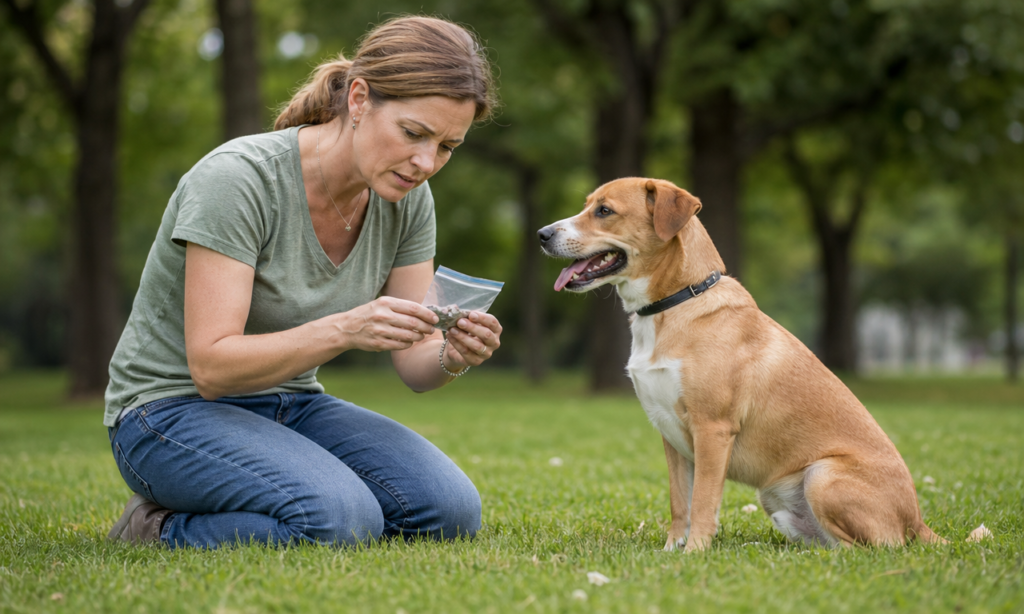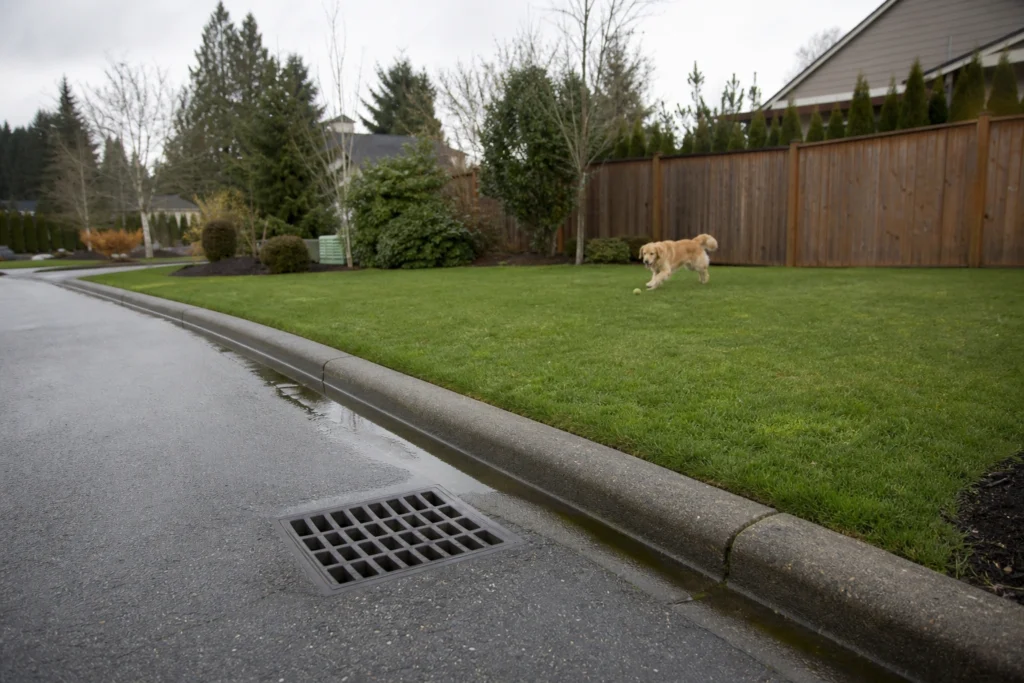
We’ve scooped thousands of yards across Kennewick, Pasco, and Richland, and one thing we’ve learned is this: what you leave in your yard doesn’t just stay there. When rain hits or sprinklers run, that waste doesn’t disappear—it travels. Dog poop water pollution is a real environmental issue that affects the Columbia River, local streams, and the waterways our community depends on. The good news? It’s completely preventable with some simple habits.
Most people don’t realize that a single gram of dog waste can contain 23 million fecal coliform bacteria, plus parasites, viruses, and nutrients that harm aquatic ecosystems. When it rains, that waste washes into storm drains, which flow directly into rivers without treatment. Unlike human sewage, which gets processed at treatment plants, pet waste runoff goes straight from your yard to the water.
The short answer
Dog poop water pollution happens when rain or irrigation washes waste from yards, sidewalks, and parks into storm drains that empty directly into rivers and streams. The bacteria, parasites, and excess nutrients in dog waste contaminate drinking water sources, harm fish populations, and create toxic algae blooms. Preventing it is straightforward: pick up waste immediately, dispose of it in the trash, and keep your yard clean year-round.
How dog poop water pollution reaches our rivers
Understanding the path waste takes helps explain why this matters so much. Storm drains are designed to prevent flooding by quickly moving rainwater off streets and properties. But they’re not connected to sewer treatment systems—they dump directly into natural waterways.

Here’s the typical journey of dog poop water pollution in the Tri-Cities:
- Waste sits in your yard, on a sidewalk, or in a park
- Rain or sprinkler runoff dissolves bacteria and nutrients from the waste
- Water flows across your property toward gutters and storm drains
- Storm drains channel the contaminated water to the nearest creek or river
- Pollutants enter the Columbia River system untreated
Even waste that looks “old” or broken down still contains harmful bacteria and nutrients. The Environmental Protection Agency identifies pet waste as a significant contributor to water pollution, ranking it alongside agricultural runoff and industrial discharge.
According to the EPA’s nonpoint source pollution resources, pet waste is one of the many sources of contamination that degrades water quality in urban and suburban watersheds. This matters in the Tri-Cities because our storm infrastructure moves runoff quickly and efficiently—straight into the rivers we depend on.
What makes dog poop water pollution so harmful
Dog waste isn’t fertilizer. It’s loaded with pathogens and nutrients in concentrations that damage ecosystems. When it enters waterways, several things happen simultaneously, all of them bad.
First, bacteria like E. coli and fecal coliform contaminate the water. These pathogens make water unsafe for swimming, fishing, and drinking. The Centers for Disease Control and Prevention warns that contact with contaminated water can cause gastrointestinal illness, skin infections, and respiratory problems in humans.
Second, dog waste contains high levels of nitrogen and phosphorus. When these nutrients flood into rivers, they trigger algae blooms. As the algae die and decompose, they consume oxygen that fish and other aquatic life need to survive. This process, called eutrophication, creates dead zones where nothing can live.
Third, parasites like roundworms, hookworms, giardia, and cryptosporidium survive in water for months. They can infect other animals—and humans—who come into contact with contaminated water or soil downstream.
The CDC’s guidance on pet waste management emphasizes these health risks and recommends immediate removal and proper disposal of all pet waste to protect public health.
Dog poop water pollution in the Tri-Cities area
Our region faces unique challenges. The Tri-Cities sits at the confluence of major river systems, and our semi-arid climate means we rely heavily on irrigation. Many neighborhoods have extensive sprinkler systems that run multiple times per week during summer.
Every time sprinklers activate in a yard with uncollected waste, they create runoff. That water carries bacteria and nutrients from dog poop water pollution toward gutters, where it joins storm drain systems. Given that the Tri-Cities has tens of thousands of dogs, the cumulative impact is significant.
Winter rain events create similar problems. After a dry spell, accumulated waste from multiple dogs gets washed away all at once during the first heavy rain. This creates pollution spikes in local waterways that can persist for days.
The Columbia River provides drinking water, supports salmon runs, and drives our agricultural economy. Protecting it from dog poop water pollution isn’t just environmental—it’s practical.

7 essential ways to prevent dog poop water pollution
Stopping runoff starts in your own yard. These strategies work whether you have one dog or five, and they don’t require expensive equipment or complicated systems.
1. Pick up waste immediately after your dog goes
The longer waste sits, the more bacteria multiply and the greater the chance rain or sprinklers will wash it away. Make it a habit to clean up right away, every single time. Keep bags at the back door and on your leash so you’re always ready.
If you walk your dog around the neighborhood, pick up there too. Waste on sidewalks and park grass contributes to dog poop water pollution just as much as waste in your own yard.
2. Dispose of waste in the trash, never down storm drains
Bag the waste securely and put it in your garbage bin. Trash goes to a landfill where it’s contained, preventing contamination of water supplies. Never rinse waste into gutters or storm drains—those lead directly to rivers.
Some people wonder about flushing pet waste. While toilets connect to sewer systems that treat waste, many municipal systems ask residents not to flush pet waste because it may contain pathogens that treatment plants aren’t designed to handle. Check your local guidelines, but trash disposal is the safest bet.
3. Keep your yard consistently clean year-round
A single weekly cleanup dramatically reduces the risk of dog poop water pollution. If waste is collected regularly, there’s nothing sitting around to wash into storm drains when it rains or when sprinklers run.
We’ve seen yards where waste piles up for weeks or even months. When the first fall rain hits, the runoff from those yards is visibly contaminated. A regular schedule prevents that scenario entirely.
Your Local Scoop offers weekly, bi-weekly, and monthly scooping plans across Kennewick, Pasco, and Richland. You get a text reminder before we arrive and a gate photo after every visit, so you know your yard is staying clean without you lifting a finger. No contracts, and you can adjust frequency based on how many dogs you have. Check out our service options to see what fits your situation.
4. Adjust sprinkler schedules and placement
If you run sprinklers early in the morning before you’ve had a chance to scoop, you’re creating runoff. Consider adjusting timers so sprinklers run after your morning pickup routine. Even small timing changes reduce the window when waste can be washed away.
Also look at where your sprinklers aim. If they’re overshooting your lawn and hitting sidewalks or driveways where waste might be tracked, you’re increasing the chance of dog poop water pollution reaching storm drains.
5. Create barriers and improve yard drainage
If your property slopes toward the street or a storm drain, consider small landscaping changes. Berms, rain gardens, or gravel trenches can slow runoff and filter some pollutants before they leave your yard.
These solutions won’t eliminate the need to pick up waste—nothing replaces that—but they can reduce the speed and volume of runoff during heavy rain events.
6. Educate neighbors and encourage community action
Dog poop water pollution is a cumulative problem. Even if your yard is spotless, runoff from neighboring properties affects the same waterways. Politely sharing information with neighbors, especially those new to dog ownership, helps protect the whole community.
Neighborhood social media groups, HOA newsletters, and casual conversations at the park are all opportunities to mention why picking up matters. Most people genuinely don’t realize the connection between yard waste and river contamination.
7. Support and use proper waste infrastructure
If your neighborhood park doesn’t have waste stations with bags and trash cans, ask your city to install them. Kennewick, Pasco, and Richland have all added pet waste stations to popular parks in recent years, making it easier for dog owners to do the right thing.
When you’re out walking, use those stations. Carry a backup bag just in case stations are empty. The easier we make proper disposal, the less dog poop water pollution ends up in our rivers.

Common mistakes that increase dog poop water pollution
Even well-meaning dog owners sometimes make choices that unintentionally contribute to the problem. Here are the most common mistakes we see in the hundreds of yards we service each week.
Leaving waste in a “designated corner” of the yard
Some people pile waste in one area, thinking they’ll deal with it later or that it’s out of the way. But rain doesn’t respect boundaries. Water flowing across your yard picks up bacteria from that pile and carries it into storm drains, contributing to dog poop water pollution.
There’s no safe place to stockpile waste outdoors. It needs to be picked up and put in the trash.
Assuming old waste is harmless
Dried, sun-bleached waste still contains pathogens. Rain reactivates bacteria and washes nutrients into waterways. Even waste that’s been sitting for weeks contributes to dog poop water pollution when weather conditions change.
Only picking up the “fresh” stuff
This ties to the previous point. If you only grab what your dog just deposited and ignore older waste, you’re leaving pollution sources in your yard. A thorough cleanup gets everything, regardless of age.
Tossing bagged waste into bushes or behind fences
On walks, some people bag the waste but then toss it into landscaping or behind fences rather than carrying it to a trash can. The bag eventually breaks down or gets torn open by animals, releasing the waste. That defeats the entire purpose and still allows dog poop water pollution to occur.
Carry a good bag holder clipped to your leash so you can transport waste comfortably until you reach a trash can.
Rinsing waste off driveways or patios into gutters
Hosing waste toward the street feels like you’re cleaning up, but you’re actually sending it directly into the storm drain system. Bag it first, then rinse the area if needed. The bacteria-laden water from rinsing is less concentrated but still contributes to dog poop water pollution.
What about composting or burying dog waste?
Some people ask whether composting or burying waste is a solution. Both have limitations that are important to understand, especially in the context of preventing dog poop water pollution.
Composting dog waste requires specialized systems. Standard backyard compost bins don’t reach the temperatures needed to kill pathogens in pet waste. If you’re interested in this option, read about DIY dog poop composters to understand what’s involved. Even with a proper system, the compost should never be used on edible gardens, and it won’t prevent runoff if waste sits in your yard waiting to be composted.
Burying waste seems natural, but it’s not ideal. Buried waste can still leach bacteria and nutrients into groundwater, especially in areas with sandy soil or high water tables. It’s better than leaving waste on the surface, but it doesn’t eliminate the risk of dog poop water pollution—it just moves it underground.
For most people, bagging and trashing waste is the simplest and safest method. Biodegradable bags are an option if you’re concerned about landfill impact, though they still need to go in the trash to avoid runoff issues.
The bigger picture: public health and community responsibility
Dog poop water pollution isn’t just an environmental issue—it’s a public health concern. Contaminated waterways affect everyone downstream, from people who fish and swim in the Columbia River to farmers who irrigate with river water.
According to the Environmental Protection Agency, pet waste is one of the top contributors to bacterial contamination in urban waterways. In some cities, fecal bacteria levels have forced beach closures and fishing advisories. The Tri-Cities hasn’t faced those extreme measures yet, but prevention is much easier than remediation.
When we think about our responsibility as dog owners, it extends beyond our property lines. Every yard that stays clean is one less source of pollution. Every bag of waste properly disposed of is bacteria and nutrients that won’t reach the river.
This isn’t about guilt—it’s about practical stewardship. We live in a beautiful area with incredible natural resources. Protecting them is as simple as picking up after our dogs consistently.
How professional scooping services help prevent dog poop water pollution
Consistency is the key to preventing runoff, and that’s where regular service makes a real difference. When your yard is cleaned on a schedule—weekly, bi-weekly, or monthly depending on how many dogs you have—waste never has the chance to accumulate and wash into storm drains.
We’ve serviced yards through every season: blazing Tri-Cities summers, rainy falls, frozen winters, and windy springs. Year-round service means your yard stays clean even when weather makes scooping unpleasant or when life gets too busy to keep up with it yourself.
You get a text reminder before we arrive, so you know when to expect us. After every visit, we send a gate photo so you can see the work is done without even stepping outside. If you need additional services like yard deodorizing or garbage can rollout, those are available too. And there are no contracts—if your situation changes, you’re not locked in.
The whole sign-up process takes about two minutes online. You choose your frequency, and we take care of the rest. It’s one of the easiest ways to ensure you’re not contributing to dog poop water pollution while also getting back time in your week. You can explore service options and pricing anytime.
Seasonal considerations for preventing dog poop water pollution
Different times of year create different challenges for keeping waste out of waterways. Here’s what to watch for each season in the Tri-Cities.
Spring: snowmelt and increased rain
Spring brings more precipitation and melting snow from higher elevations. Any waste left in your yard over winter gets mobilized all at once. If you’ve let things slide during cold months, make spring cleanup a priority before the first heavy rain.
This is also when people start running sprinklers again. Check your yard thoroughly before you turn irrigation systems back on.
Summer: frequent irrigation
Summer is our driest season, but ironically it’s when many yards create the most runoff because of daily or twice-daily sprinkler schedules. Each watering cycle is an opportunity for dog poop water pollution if waste is present.
Keep up with daily or every-other-day scooping during summer, or schedule professional service to ensure waste doesn’t accumulate between waterings.
Fall: rain returns
Fall rains can be intense after months of dry weather. The first storms wash away everything that’s accumulated since spring. A pre-autumn deep clean of your yard prevents a pollution surge when weather shifts.
Keep scooping through fall even as temperatures drop and rain makes yard work less appealing. Consistency matters most during transitional weather.
Winter: frozen ground and infrequent cleanup
Winter is when many people fall behind. Frozen ground, snow cover, and cold temperatures make scooping unpleasant. But waste doesn’t stop accumulating just because it’s cold, and every piece left in your yard will contribute to dog poop water pollution when spring thaw arrives.
Professional services operate year-round for exactly this reason. If winter cleanup is something you struggle with, that’s when scheduled service provides the most value.
Teaching kids and guests about preventing dog poop water pollution
If you have children or frequently host visitors with dogs, education is part of prevention. Kids old enough to walk the dog should also learn to pick up waste and understand why it matters.
Explain the connection between yard waste and river pollution in age-appropriate terms. “The rain washes this into the storm drain, and that goes to the river where fish live” is concrete enough for young kids to grasp.
When friends or family visit with their dogs, have bags readily available and politely mention that you pick up right away to keep runoff clean. Most people will follow your lead when you make it easy and normal.
Monitoring your yard for runoff risk
Take a walk around your property after a rainstorm or while sprinklers are running. Watch where water flows. Does it pool in certain areas? Does it sheet toward the street or a storm drain?
Areas where water naturally collects or flows are the highest risk for carrying dog poop water pollution off your property. These are the spots that need the most diligent waste removal.
If you notice consistent puddling or erosion channels, consider minor grading changes or adding permeable surfaces that slow water movement and filter runoff. But remember: these are supplements to picking up waste, not replacements for it.
When to seek veterinary advice about your dog’s waste
Preventing dog poop water pollution is easier when your dog has healthy, formed stool. If your dog frequently has diarrhea or unusually soft stool, it’s harder to pick up completely, which increases runoff risk.
Chronic digestive issues warrant a conversation with your vet. If you’re not sure how to bring it up, our article on how to talk to your vet about dog poop has practical tips for discussing stool quality and digestive health.
Parasites, bacterial infections, and dietary issues can all affect stool consistency. Getting those addressed not only improves your dog’s health but also makes waste management more straightforward, reducing the chance of contamination.
The role of municipal infrastructure and policy
Individual action is critical, but city planning and policy also play a role in preventing dog poop water pollution. Storm drain markings that say “Drains to River” or “No Dumping” help raise awareness. Pet waste stations in parks make proper disposal convenient.
Some cities have enacted ordinances with fines for not picking up after dogs in public spaces. While enforcement is difficult, the existence of these rules reinforces community standards.
If you’re interested in broader change, consider attending city council meetings or joining environmental groups that advocate for clean water. Local organizations often run volunteer stream cleanup events where you can see firsthand the amount of pollution—including waste—that accumulates in waterways.
Questions people ask about dog poop water pollution
Over the years, we’ve heard just about every question imaginable. Here are a few of the most common, with straightforward answers.
Does rain wash away dog poop naturally? No. Rain doesn’t make waste disappear—it breaks it apart and carries bacteria, parasites, and nutrients into storm drains and waterways. That’s the core of the dog poop water pollution problem.
Is dog waste really that much worse than wildlife waste? Yes, for a few reasons. First, dog density in suburban areas is much higher than wild animal density. Second, domestic dog diets are richer in protein and fat, creating waste with more concentrated nutrients and different bacterial profiles than wildlife scat. Third, wild animals typically defecate in dispersed natural areas, not in high-traffic zones that drain directly into storm systems.
Can I just kick waste into the bushes? No. Waste in bushes, landscaping, or any outdoor location still contributes to runoff. It needs to be bagged and trashed to prevent dog poop water pollution.
What if my yard is huge and I can’t find all the waste? Do your best, focusing on areas where water flows and where your dog most frequently goes. If the yard is truly unmanageable on your own, professional service can help. We’ve handled properties of all sizes, from small townhouse lawns to multi-acre lots.
Does it matter if I live far from the river? Yes. Storm drain systems connect across miles. Waste from neighborhoods far from the river still reaches it through the drainage network. Distance doesn’t eliminate responsibility.
Long-term benefits of preventing dog poop water pollution
Consistent waste management has benefits that extend beyond preventing runoff. Your yard smells better. Flies and pests are reduced. Your lawn stays healthier because concentrated waste can burn grass.
For the broader community, cleaner waterways mean safer recreation, healthier fish populations, and preserved natural beauty. The Columbia River is a defining feature of the Tri-Cities. Keeping it clean is something every dog owner can contribute to with minimal effort.
Over time, small habits add up. A year of weekly scooping prevents roughly 50 pounds of waste per dog from entering the environment. Multiply that across thousands of households, and the impact is enormous.
Taking action today
If you’ve read this far, you understand the problem and the solutions. Now it’s just about implementation. Start with the simplest step: pick up waste in your yard today. Make it a daily habit or set a specific schedule.
If keeping up on your own feels overwhelming, consider scheduling professional service. We’re out in Kennewick, Pasco, Richland, Finley, and Burbank every week, and we’d be happy to add your yard to the route. Visit our FAQ page if you have questions about how service works or what to expect.
Dog poop water pollution is entirely preventable. It doesn’t require new technology or expensive infrastructure—just consistent habits and a little awareness. Your yard, your neighborhood, and the rivers we all share will be better for it.
Rather never scoop again?
That is literally our job. Scheduled cleanups across Kennewick, Pasco & Richland – text reminders before, gate photo after, no contracts.