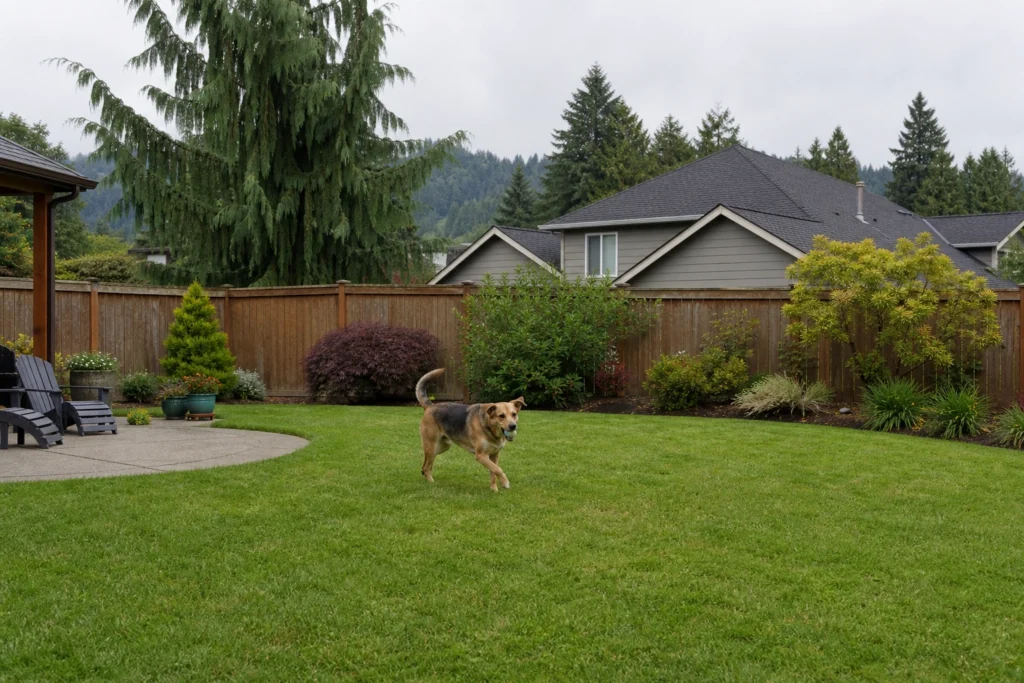
If you’ve ever stepped into your backyard on a warm afternoon and been greeted by a cloud of buzzing flies, you know exactly why learning how to keep flies away from dog poop is worth your time. Flies are attracted to dog waste within minutes of it hitting the ground, and in the Tri-Cities heat, that problem only gets worse. The good news? You have more control over this situation than you might think.
We’ve scooped thousands of yards across Kennewick, Pasco, and Richland, and we’ve seen what works and what doesn’t when it comes to managing flies around dog waste. The strategies that actually make a difference aren’t complicated, but they do require consistency. Let’s walk through the most effective methods to keep flies away from dog poop and reclaim your yard.
The short answer
The most effective way to keep flies away from dog poop is to remove waste from your yard at least twice weekly, ideally every 1-2 days. Flies are attracted to fresh waste and use it as a breeding ground, so frequent removal eliminates both the attractant and breeding site. Combine quick removal with proper disposal in sealed containers, and you’ll reduce fly populations by 80% or more.
Why flies are obsessed with dog waste
House flies and blow flies can detect dog waste from over a mile away using their incredibly sensitive smell receptors. They’re not just looking for a meal—they’re searching for a nursery. Female flies lay eggs directly on feces, and those eggs hatch into maggots within 24 hours in warm weather.
A single female fly can lay up to 500 eggs in her lifetime, and she prefers fresh waste. This is why you’ll notice flies swarming around new poop much more intensely than older, dried-out waste. Understanding this lifecycle is key to breaking the cycle and finding ways to keep flies away from dog poop effectively.
The Tri-Cities climate creates an especially challenging environment. Our hot, dry summers mean flies breed faster, but they also mean waste dries out more quickly. That’s both a blessing and a curse—dried waste attracts fewer flies, but the initial 48 hours are critical.
Method 1: Remove waste immediately (or as close as possible)
This is the single most important strategy to keep flies away from dog poop. If waste isn’t there, flies have nothing to land on, feed from, or breed in. It’s that simple.
Ideally, you’d pick up waste the moment your dog finishes. That’s realistic if you’re home and the dog goes in a visible area, but not everyone can maintain that schedule. Here’s what works in the real world:
- Pick up waste daily if you have one dog
- Pick up twice daily if you have multiple dogs or large breeds
- Do a full yard sweep every 2-3 days minimum, even if you do daily spot-cleaning
- Use a weekly or bi-weekly scooping service to maintain a baseline clean yard
We’ve had clients tell us they noticed an immediate difference in fly activity once they moved from weekly to bi-weekly service, especially during summer months. The more frequently waste disappears, the less opportunity flies have to establish a presence.

Method 2: Use tightly sealed disposal containers
Once you’ve picked up the waste, where it goes matters just as much. An open trash bag sitting by the fence is essentially a fly magnet. To truly keep flies away from dog poop, you need to contain it properly.
Here’s what works best:
- A dedicated waste bin with a tight-sealing lid (metal or thick plastic)
- A diaper pail-style container specifically designed for pet waste
- Double-bagging waste before placing it in your regular garbage
- Storing waste bins in the shade or garage until trash day
We recommend keeping the container as far from high-traffic areas as possible. If you store it near your back door or patio, you’re just relocating the fly problem rather than solving it. Some of our clients keep a small sealed pail for daily collection and transfer it to a larger bin in the garage once or twice a week.
Heat accelerates decomposition and odor, which attracts more flies. A container sitting in direct Tri-Cities sun can reach internal temperatures well over 100°F, creating a perfect fly breeding environment. Shade makes a measurable difference.
Method 3: Apply natural fly deterrents to problem areas
If you’re dealing with persistent fly issues even with regular cleanup, natural deterrents can help keep flies away from dog poop zones. These won’t replace removal, but they add an extra layer of defense.
Effective natural options include:
- Diatomaceous earth (food-grade) sprinkled in areas where your dog frequently goes
- Diluted essential oils like eucalyptus, peppermint, or lavender sprayed around the perimeter (avoid direct contact with pets)
- White vinegar solution sprayed on surfaces after cleanup
- Cedar chips or mulch in designated potty areas
Diatomaceous earth is particularly effective because it physically damages fly larvae and eggs. Sprinkle a light layer on the ground after you’ve removed waste. Reapply after rain or heavy watering, as moisture reduces its effectiveness.
Be cautious with essential oils. While they can repel flies, some are toxic to dogs if ingested or applied directly to skin. Keep concentrations low (5-10 drops per cup of water), spray only surfaces your dog won’t lick, and never apply oils directly to your pet.

Method 4: Maintain a regular cleaning schedule to keep flies away from dog poop
Consistency beats intensity every time. A yard that gets picked up twice a week, every week, will have fewer flies than a yard that gets deeply cleaned once a month. Flies thrive on irregularity because it gives them windows of opportunity to breed.
Here’s a realistic weekly schedule that works for most dog owners:
| Day | Task | Time Required |
|---|---|---|
| Monday | Full yard scoop | 5-10 minutes |
| Wednesday | Spot cleanup visible areas | 3-5 minutes |
| Friday | Full yard scoop | 5-10 minutes |
| Sunday | Quick perimeter check | 2-3 minutes |
If this feels like too much, that’s exactly what services like ours exist for. Our weekly scooping plans in the Tri-Cities include a thorough cleanup of your entire yard, plus we send a text reminder before we arrive and a gate photo after we’re done. You never have to think about it, and your yard stays consistently clean—which is the best long-term approach to keep flies away from dog poop.
Regular schedules also help you notice changes in your dog’s waste that might indicate health issues. When you’re out there consistently, you’ll spot unusual color, consistency, or frequency faster. If you notice anything concerning, talking to your vet about changes is always a good idea.
Method 5: Create designated potty areas
Training your dog to use a specific section of the yard makes it much easier to keep flies away from dog poop. Instead of searching the entire lawn, you know exactly where to focus your cleaning efforts.
Designated areas work best when they’re:
- Away from high-traffic zones like patios and play areas
- Easily accessible for daily cleanup
- Covered with mulch, gravel, or another material that’s easy to scoop
- Partially shaded to reduce odor amplification
Some homeowners use low border edging or decorative fencing to define the potty zone. This visual boundary helps with training and keeps the area contained. If you’re setting up a new yard for your dog, planning a designated potty area from the start saves headaches later.
The material you choose for the potty area matters. Grass holds odor longer than gravel or wood chips. Rock or pea gravel allows waste to dry faster and makes scooping easier, which helps you keep flies away from dog poop more effectively. Just make sure any material is safe for your dog’s paws.
Method 6: Use fly traps and repellents around the yard perimeter
While removal is the foundation, perimeter defenses add another layer of protection. Fly traps won’t eliminate the problem on their own, but they reduce the overall fly population in your yard.
Effective options include:
- Hanging fly traps placed 20-30 feet away from living areas (they attract flies, so you don’t want them too close)
- UV light traps near entry points like gates or doors
- Fly tape or ribbon in covered areas like under eaves or patio covers
- Outdoor fans on patios (flies struggle to fly in wind speeds above 10 mph)
Positioning matters. Place attractant traps between the waste source and areas where you spend time. This intercepts flies before they reach your patio or back door. UV traps work best in shaded areas since they’re less effective in bright sunlight.
According to the CDC’s guidelines on fly prevention, eliminating breeding sites is far more effective than trapping adult flies. Traps help, but they’re a supplement to removal, not a replacement.

Method 7: Add yard deodorizing treatments to reduce fly attraction
Even after you’ve removed waste, residual odor can linger in grass and soil, continuing to attract flies. Deodorizing treatments neutralize these smells and help keep flies away from dog poop areas long-term.
Options that work well include:
- Enzyme-based yard deodorizers specifically formulated for pet waste
- Baking soda sprinkled on problem areas (safe for pets and grass)
- Professional deodorizing services (we offer this as an add-on to our regular scooping)
- Lime or garden lime applied sparingly to neutralize acidic odors
Enzyme treatments break down organic matter at a molecular level, eliminating odor rather than just masking it. These products are especially useful if you’re dealing with waste in flower beds or other landscaped areas where thorough removal is challenging.
Be careful with lime—while it does neutralize odors, too much can alter soil pH and damage grass. Use it sparingly and follow package directions. If you’re unsure, stick with enzyme products or baking soda, which are much more forgiving.
Deodorizing is particularly important during spring cleanup when you’re dealing with accumulated waste from winter. A thorough deodorizing treatment after a deep clean helps reset your yard and prevents flies from returning to old hotspots.
Common mistakes that make fly problems worse
We’ve seen a lot of well-intentioned approaches that actually backfire when it comes to efforts to keep flies away from dog poop. Here are the mistakes to avoid:
Hosing down waste instead of removing it: This spreads contamination, pushes waste into the soil, and creates moisture that attracts even more flies. Always pick up solid waste before rinsing any areas.
Leaving waste bags sitting open: An open bag of dog waste is just as attractive to flies as waste on the ground. Seal bags immediately and store them in closed containers.
Only cleaning visible areas: Flies don’t care if waste is hidden under a bush or behind the shed. They’ll find it, breed in it, and spread throughout your yard. Clean the entire property, not just the spots you see from the patio.
Using toxic chemicals around pet areas: Chemical fly sprays might kill adult flies, but they can also harm your dog, beneficial insects, and the environment. Stick with pet-safe options and prioritize removal over chemicals.
Ignoring your neighbor’s yard: If the property next door has a fly problem, you’ll deal with overflow no matter how clean your yard is. A friendly conversation and a shared cleanup schedule can benefit everyone. You might point them toward resources about HOA rules around dog waste if that’s relevant in your neighborhood.
How weather affects your ability to keep flies away from dog poop
The Tri-Cities climate creates unique challenges. Summer temperatures regularly hit the 90s and 100s, which accelerates both waste decomposition and fly breeding. A single pile of waste left in July sun can produce hundreds of fly larvae in less than two days.
Seasonal considerations include:
- Summer: Increase cleanup frequency to daily or every other day; flies breed fastest in heat
- Fall: Cooler temps slow fly activity, but don’t stop cleaning—this is when you prevent spring problems
- Winter: Frozen waste doesn’t attract many flies, but it accumulates; thawing periods create sudden fly surges
- Spring: Thawing winter waste creates a massive attractant; this is when professional cleanup is most valuable
We run year-round service because waste doesn’t stop accumulating in winter, and the spring thaw creates one of the worst fly situations you’ll face. Getting ahead of that cycle makes summer management much easier.
Wind also plays a role. The Tri-Cities are known for wind, and while that might blow flies around, it doesn’t solve the problem. Wind can actually spread odor over a wider area, potentially attracting flies from neighboring properties.
The connection between flies, health, and dog waste
Flies aren’t just annoying—they’re genuine health hazards. House flies that land on dog waste pick up bacteria, parasites, and viruses on their legs and bodies. When they land on your patio furniture, grill, or worse, your food, they transfer those pathogens.
Common diseases associated with flies and fecal matter include:
- E. coli and other bacterial infections
- Giardia and other parasites
- Salmonella
- Campylobacter
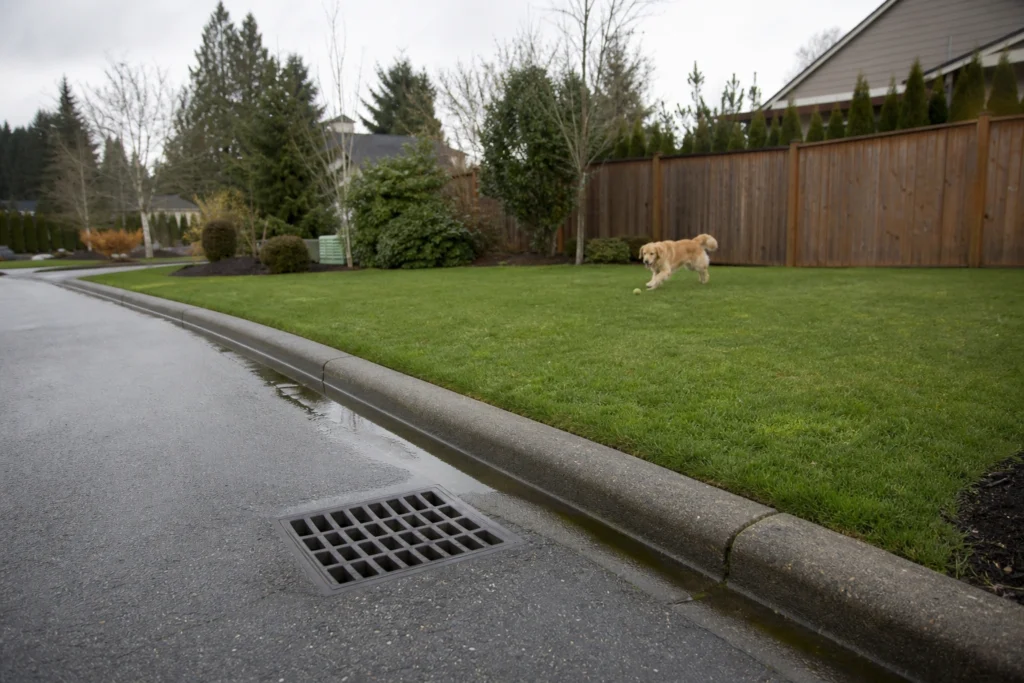
Dog waste also contributes to water pollution when rain washes it into storm drains. Flies accelerate the spread of that contamination by tracking it across your yard and into your home.
This is why efforts to keep flies away from dog poop aren’t just about comfort—they’re about protecting your family’s health. Regular removal and proper disposal are the most effective preventive measures, according to research from veterinary and public health institutions.
When to call in professional help
If you’ve tried these methods and still struggle with flies, or if your schedule simply doesn’t allow for the consistency needed, professional services make sense. We designed our scooping plans specifically for busy families, people with mobility issues, or anyone who’d rather spend their time doing literally anything else.
Professional service is worth considering if:
- You have multiple dogs or large breeds that produce significant waste
- Your yard is large or has multiple potty zones
- You travel frequently and need consistent care
- Physical limitations make regular bending and scooping difficult
- You’ve tried DIY methods but flies persist
Our service includes thorough cleanup of the entire yard, not just visible areas. We cover every corner, under bushes, along fence lines, and anywhere else waste accumulates. We also offer add-ons like yard deodorizing and garbage can rollout, which help keep flies away from dog poop even more effectively.
The sign-up process takes about two minutes online, and we offer weekly, bi-weekly, and monthly plans with no contracts. You can check availability and pricing at our services page, or if you have questions about how it works, the FAQ section covers most common concerns.
DIY disposal options that help manage flies
If you prefer handling disposal yourself but want to go beyond basic trash can storage, a few DIY options help keep flies away from dog poop more effectively.
One option is a dog poop composter system, which breaks down waste underground in a sealed environment. These systems keep waste contained and reduce fly access, though they do require installation and maintenance.
Another approach is a dedicated waste digester. These are similar to composters but use enzyme treatments to speed decomposition. They work best in areas with good drainage and moderate climates—the Tri-Cities heat can actually be an advantage here.
Some homeowners use a two-bin system: one for fresh waste that gets emptied weekly, and one for longer-term storage with enzyme treatments. The key is keeping both bins tightly sealed and positioned away from living areas.
Final thoughts on keeping your yard fly-free
Learning how to keep flies away from dog poop comes down to three core principles: remove waste frequently, store it properly, and use deterrents strategically. No single method works perfectly on its own, but combining quick removal with sealed storage and natural repellents creates an environment where flies struggle to establish themselves.
Consistency matters more than perfection. A yard that gets scooped every three days will always have fewer flies than one that gets deep-cleaned once a month. Build a routine that fits your schedule, and stick with it even when motivation wanes.
The payoff is worth it. A clean yard means more time enjoying your outdoor space, fewer health risks for your family, and neighbors who appreciate your efforts to keep flies away from dog poop. Plus, your dog deserves a clean place to play.
If you’re in Kennewick, Pasco, Richland, Finley, or Burbank and want help maintaining that consistency, we’re here for exactly that. We’ve built our entire business around making yard cleanup effortless for dog owners across the Tri-Cities.
Rather never scoop again?
That is literally our job. Scheduled cleanups across Kennewick, Pasco & Richland – text reminders before, gate photo after, no contracts.