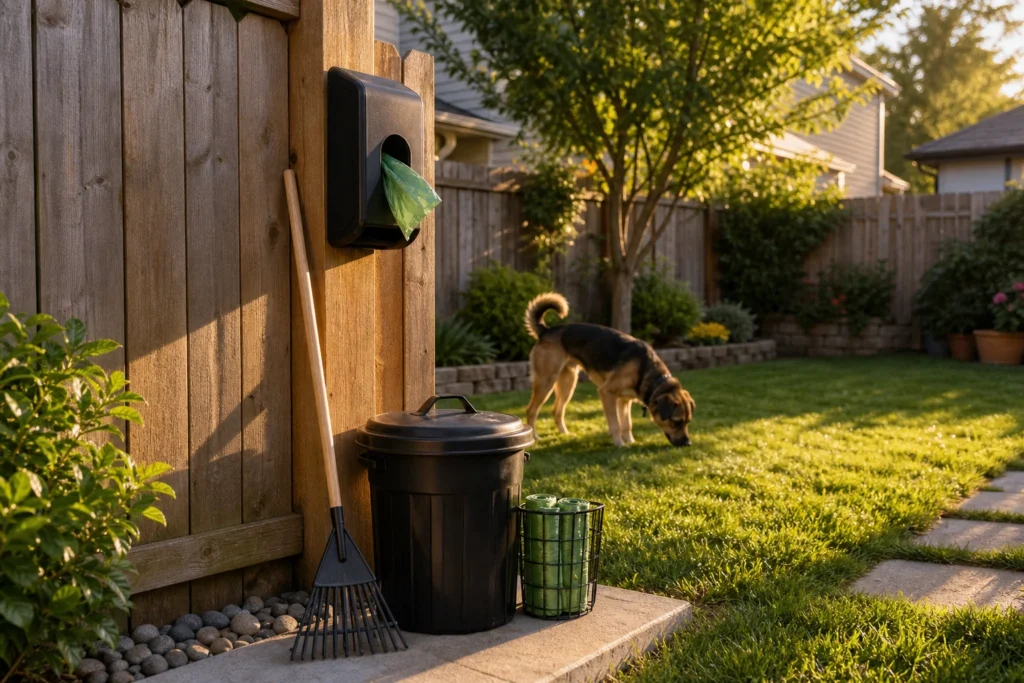
A backyard dog waste station is one of those things that seems simple until you realize you’ve been walking to the garage for bags every single time, or you’ve got poop bags stuffed in random pockets and tools scattered across three sheds. We’ve scooped a lot of yards in the Tri-Cities, and the ones with dedicated waste stations are noticeably easier to maintain. Setting one up takes about an hour and makes daily cleanup feel less like a chore you’ve been avoiding.
Whether you’ve got one dog or five, a waste station keeps everything in one spot: bags, tools, a trash can, and a clear system. It’s especially helpful if multiple people in your household share cleanup duties, or if you just want to stop making excuses about not picking up because you can’t find a bag.
The short answer
A backyard dog waste station is a designated spot in your yard with all the supplies you need for poop cleanup: a bag dispenser, a scooper or rake, a lidded trash can, and optionally a hand sanitizer station. Place it near where your dog does their business, stock it with quality supplies, and keep it maintained. The whole setup costs $50-150 depending on what you already own, and it makes daily scooping about ten times easier.
Why you actually need a backyard dog waste station
You might think a backyard dog waste station is overkill, but it solves real problems. When cleanup supplies are scattered, you’re less likely to scoop regularly. When the trash can is all the way by the garage, you’ll skip days. When you run out of bags and don’t notice until you’re standing in the yard with a fresh pile, you’ll leave it “just for today.”
A station removes every excuse. Everything’s right there, visible, and ready. You’ll scoop more often because it’s easy, which means fewer flies, less smell, and a cleaner yard overall. If you’ve ever dealt with the fly situation that comes with neglected dog waste, you know what we’re talking about. We’ve written more about keeping flies away from dog poop, and a proper waste station is step one.
Plus, if you have kids, dog walkers, or anyone else helping with your dog, a backyard dog waste station makes it crystal clear where things go. No more “I didn’t know where the bags were” excuses.
Step 1: Choose the right location for your backyard dog waste station
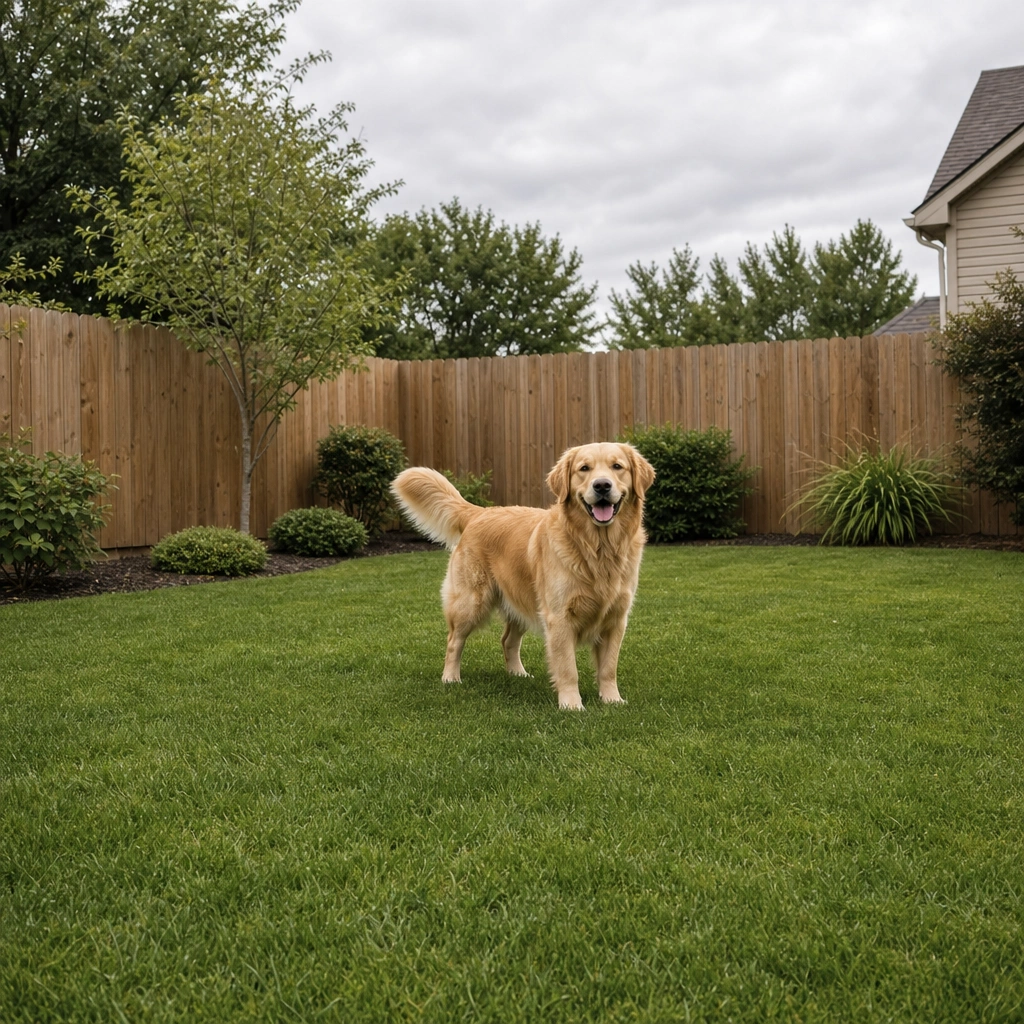
Location matters more than you’d think. Your backyard dog waste station should be close to where your dog usually poops, but not so close that it’s sitting in the middle of your patio or right next to your back door.
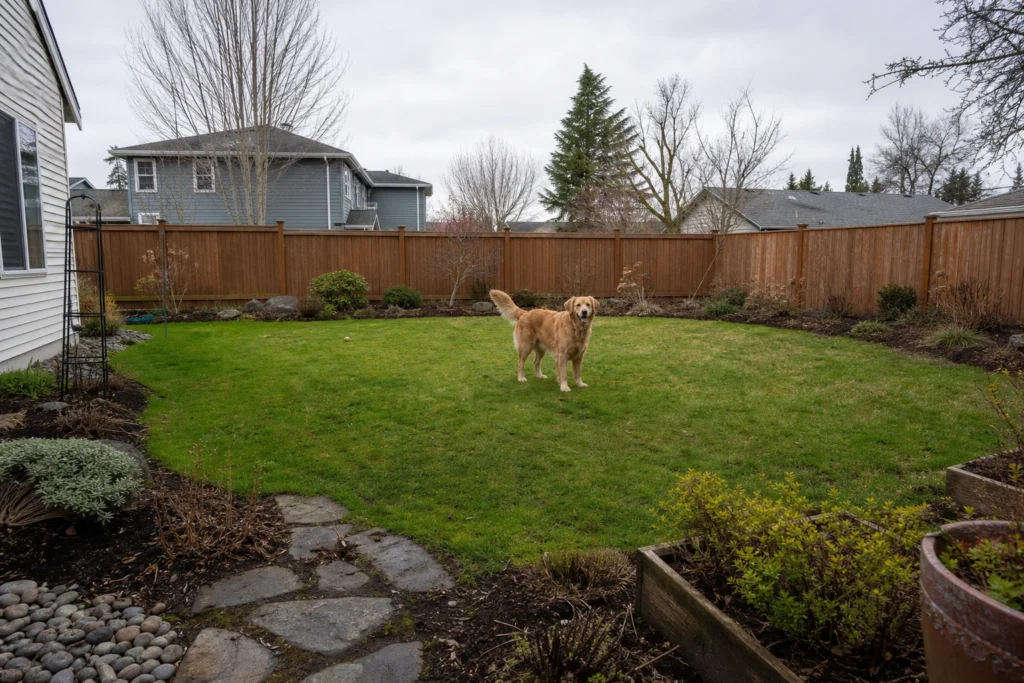
Walk your yard and watch where your dog goes most often. For a lot of dogs, there’s a preferred zone—along a fence line, near a tree, or in a back corner. Set up your station within 15-20 feet of that area. You want it accessible without hauling tools across the entire yard every time.
Also consider these factors:
- Shade: A shaded spot keeps the trash can cooler and reduces smell, especially in Tri-Cities summers.
- Drainage: Don’t put it in a low spot that puddles when it rains. Wet bags and soggy cardboard dispensers are miserable.
- Gate access: If you have weekly or bi-weekly scooping service (like our crews provide), make sure the station is easy to access from the gate.
- Visibility: You should be able to see it from the house so you remember to restock and use it.
Avoid placing your backyard dog waste station right next to garden beds where waste might accidentally get knocked into plants. We’ve seen that happen, and it’s a pain to deal with. If you’re already managing dog poop in flower beds, don’t make it worse by putting your station too close.
Step 2: Select your trash can and anchoring method
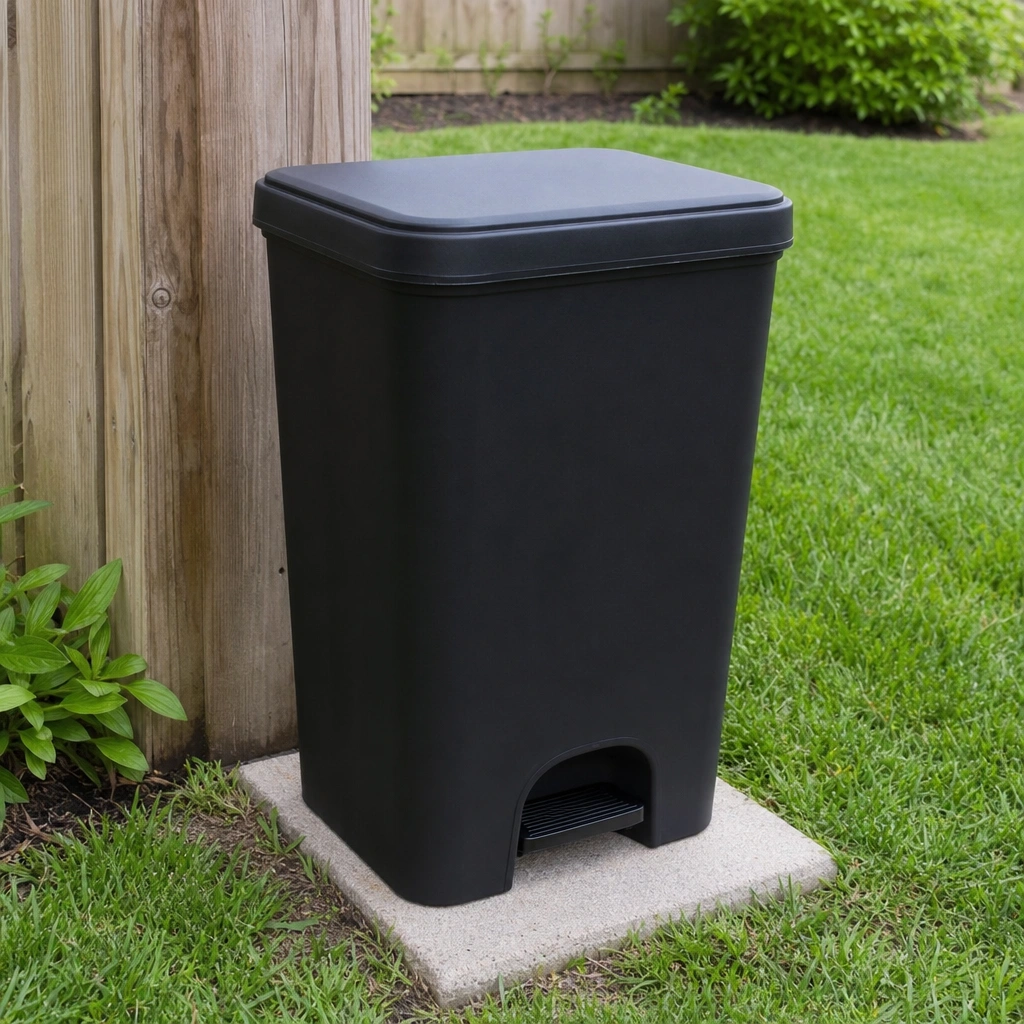
The trash can is the centerpiece of your backyard dog waste station. You need something with a tight-sealing lid to control odor and keep pests out. A 10-13 gallon can is usually the sweet spot for most households—big enough that you’re not emptying it every other day, but not so huge that it sits full for weeks.
Look for these features:
- Locking or clamp lid: Keeps raccoons, neighborhood dogs, and wind out.
- UV-resistant plastic: The Tri-Cities sun will crack cheap plastic in one summer.
- Step-on or hands-free lid: Makes disposal easier when you’re holding a full bag.
- Handle: For dragging it to the curb on trash day.
Anchor the can so it doesn’t blow over. Options include bungee cords looped through the handle and tied to a fence post, a concrete paver underneath, or a simple stake-and-tether system. We’ve seen plenty of cans tipped over by wind, dogs, or both, and it’s never fun to clean up.
Some people like the Rubbermaid Step-On or the Suncast outdoor trash hideaway models. Both work. Just make sure whatever you pick has a lid that actually seals—those open-top decorative bins look nice but smell terrible by day three.
Step 3: Install a bag dispenser at your backyard dog waste station
A bag dispenser keeps bags dry, organized, and easy to grab. You can mount one on a fence post, attach it to a stake, or use a freestanding model. The key is making sure it’s at a comfortable height (about waist level) and protected from rain.
DIY options include:
- Fence-mounted dispenser: Screw a plastic or metal dispenser directly to a fence post. Simple and cheap.
- Post-mounted dispenser: Attach a dispenser to a 4×4 post sunk into the ground with concrete. Good if you don’t have a nearby fence.
- Mailbox-style housing: Repurpose a small mailbox or build a weatherproof box to hold a roll of bags. Keeps them bone-dry.
- PVC pipe dispenser: Cut a 4-inch PVC pipe to length, cap one end, and mount it horizontally. Feed bags through the open end. Costs about $5 in parts.
Stock your backyard dog waste station with quality bags. Thin grocery-store bags rip. Spend a few extra dollars on thicker poop bags or compostable options rated for pet waste. We’ve used hundreds of different bag types across our Tri-Cities yards, and the 15-micron or thicker bags hold up best, especially for larger dogs.
Keep a backup roll inside the dispenser so you never run out mid-scoop. Check it weekly and restock as part of your routine.
Step 4: Add scooping tools to your backyard dog waste station
A good scooper makes the job faster and less gross. Depending on your yard setup and personal preference, you might want a rake-and-pan combo, a claw-style scooper, or a long-handled grabber.
Here’s what works:
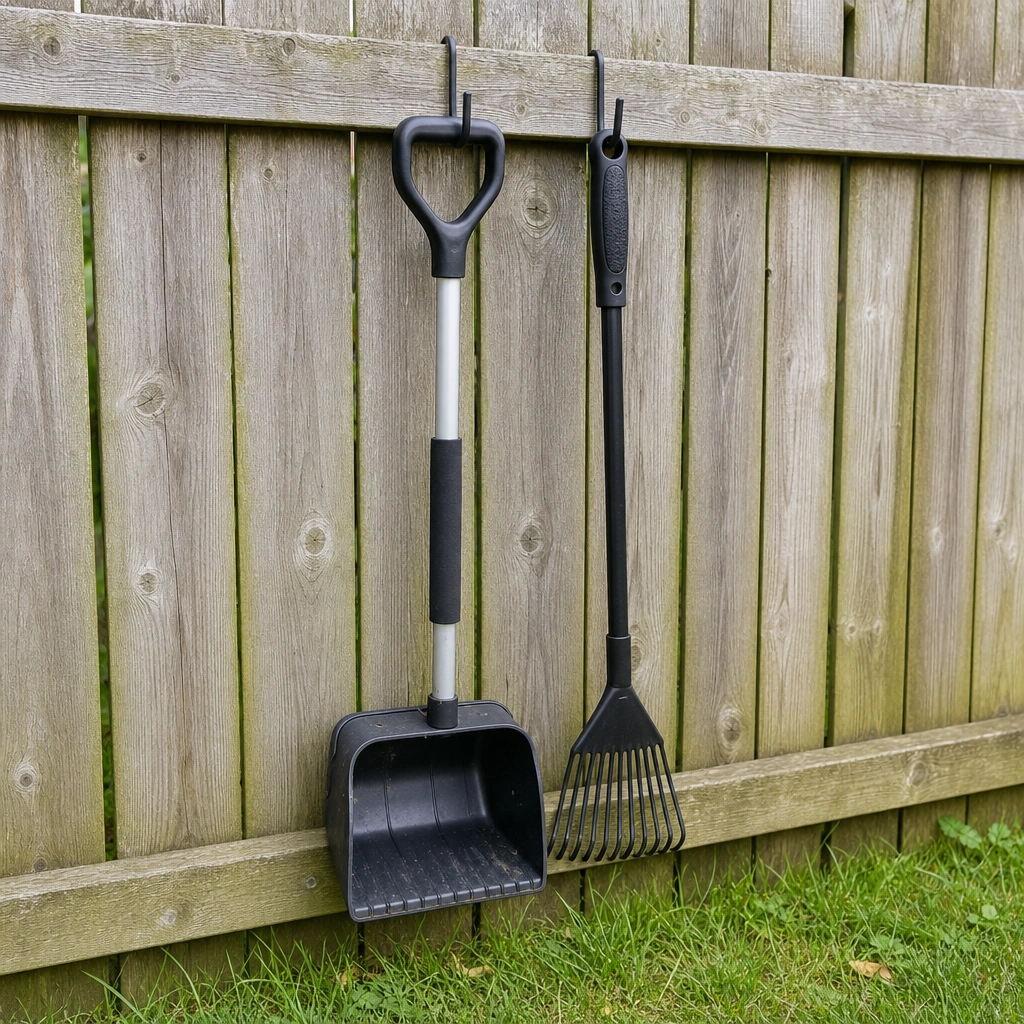
- Rake and pan set: Best for larger yards or multiple dogs. The rake combs through grass, and the pan has a serrated edge for scraping. Hang both on hooks next to the station.
- Jaw-style scooper: Spring-loaded jaws on a long handle. Works well on hard surfaces like patios or gravel. Less effective in thick grass.
- Spade and bucket: Old-school but functional. A small garden spade and a dedicated bucket work if you’re on a budget.
Mount hooks or a small tool rack on your fence or post to keep tools off the ground. Wet tools left in the grass rust fast and attract bugs. A simple screw-in hook costs 50 cents and solves the problem.
Rinse your tools weekly with a hose and let them dry in the sun. If you want to go further, spray them down with diluted bleach solution (1 part bleach to 10 parts water) once a month. This cuts down on bacteria and odor.
Optional upgrades for your backyard dog waste station
Once you’ve got the basics, there are a few extras that make a backyard dog waste station even more functional. None of these are required, but they’re nice if you want to go all-in.
- Hand sanitizer dispenser: Mount a small pump bottle or touchless dispenser next to the station. Especially useful if you’ve got kids handling cleanup duties.
- Deodorizing spray: Keep a bottle of enzymatic odor eliminator or a DIY vinegar-water spray at the station. A quick spritz inside the can after dumping helps a lot in summer. Your Local Scoop offers a yard deodorizing add-on for regular service customers, which uses professional-grade products, but a home spray works for spot treatment.
- Solar light: If you scoop at night or early morning, a small solar stake light near the station helps you see what you’re doing without fumbling with a flashlight.
- Signage: A small weatherproof sign that says “Dog Waste Station” can be helpful if you have guests, dog sitters, or service providers who need to know where things go. You can make one with a paint pen on a scrap board.
- Spare leash hook: If your dog is trained to wait at the station during cleanup, a leash hook keeps them from wandering mid-scoop.
These upgrades cost anywhere from nothing (repurposed items) to $20-30 total. Pick what makes sense for your household and yard routine.
Maintaining your backyard dog waste station through the seasons
A backyard dog waste station isn’t set-it-and-forget-it. It needs regular attention to stay functional and sanitary, especially as seasons change here in the Tri-Cities.
Weekly tasks:
- Check bag supply and restock if low
- Empty the trash can if it’s more than half full
- Rinse tools with a hose
- Wipe down the can lid if it’s sticky or dirty
Monthly tasks:
- Scrub the inside of the trash can with soapy water or diluted bleach
- Check that the bag dispenser is still securely mounted
- Inspect tools for rust or damage and replace if needed
- Spray down the area around the station to control odor
Seasonal adjustments:
- Summer: Odor peaks in the heat. Empty the can more often, use deodorizing spray, and consider adding a shade structure if your station is in full sun.
- Winter: Bags can freeze to the dispenser. Keep a backup roll indoors and swap it out as needed. Snow can bury tools, so hang them higher or bring them inside during storms.
- Spring: After a long winter of less frequent cleanup, you might need a deep reset. Check out our guide on spring yard cleanup dog poop for tips on getting your yard back in shape.
- Fall: Falling leaves can hide waste and clog tools. Rake around the station regularly and keep a clear zone.
If you’re on a regular scooping schedule with a service like ours, the station makes the crew’s job easier too. We send text reminders before each visit and leave a gate photo after, so you know the yard’s been handled. The station gives us a clear place to stage tools and dispose of waste without hunting around your property.
Common mistakes to avoid with your backyard dog waste station
We’ve seen a lot of well-meaning setups that don’t quite work. Here are the pitfalls to skip:
Putting it too far from the action: If your station is 50 feet from where your dog poops, you won’t use it. Convenience is everything.
Using a can without a lid: Open cans attract flies, smell worse, and fill with rainwater. Always use a lid, and make sure it seals.
Cheap bags that rip: Saving two dollars on a bulk pack of flimsy bags means you’ll double-bag everything or deal with gross tears. Not worth it.
Letting the can overflow: Once it’s full, people start leaving bags on the ground next to it, which defeats the whole purpose. Empty it before it gets there.
Ignoring tool maintenance: Rusty, dirty tools are harder to use and spread bacteria. Rinse them. It takes 30 seconds.
No backup supplies: Running out of bags mid-week is annoying. Keep a spare roll in the dispenser and extras in the garage.
Blocking access: Don’t put your backyard dog waste station where it blocks a walkway, gate, or mower path. You’ll end up moving it later.
How a backyard dog waste station fits into a full yard care plan
A waste station is just one piece of keeping your yard clean and healthy. It makes daily pickups easier, but it doesn’t replace regular deep cleaning, seasonal yard prep, or addressing problem areas.
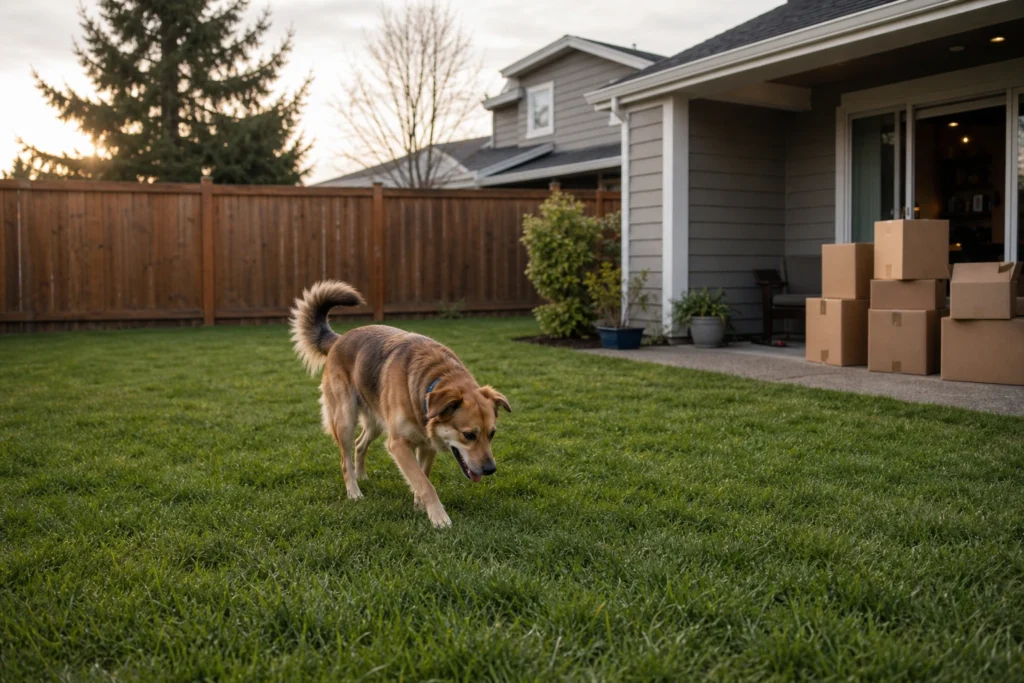
For example, if you’re moving into a new place, setting up a backyard dog waste station should be part of your initial yard prep. We’ve written a full guide on new house yard prep for dogs that covers fencing, waste management, and safe zones for your pup.
If you’re in an HOA, check the rules before installing your station. Some associations have guidelines about trash can visibility or fence modifications. We covered this in detail in our article on HOA rules dog poop, and the same principles apply to waste stations. Most HOAs are fine with tasteful setups, especially if they’re tucked along a fence line or behind a privacy screen.
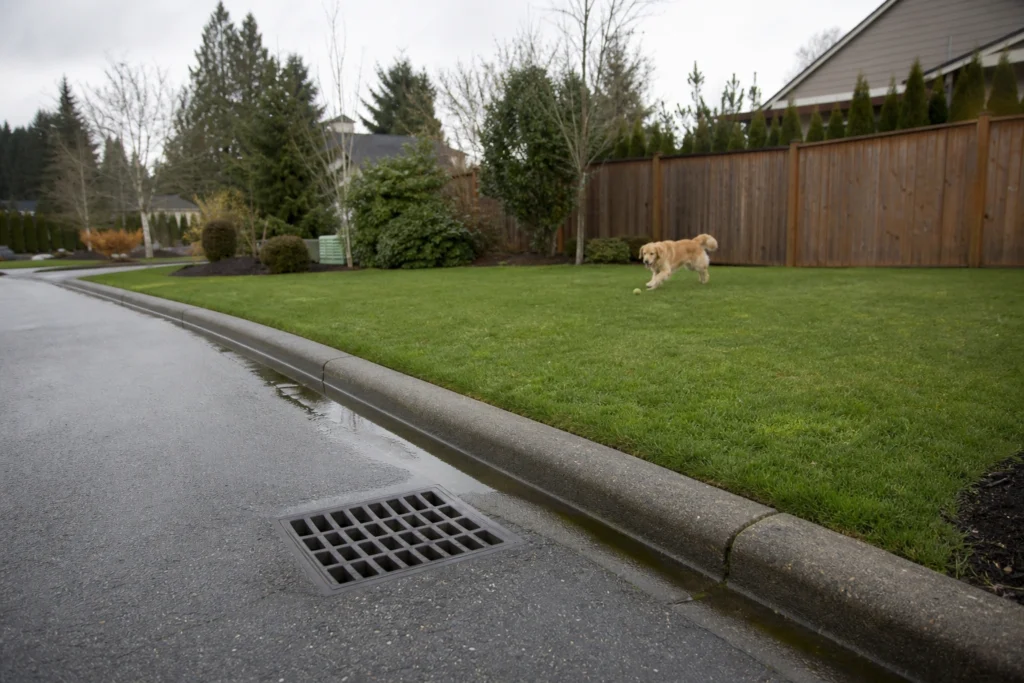
And if you’re serious about yard health, remember that dog waste isn’t just a smell and fly issue—it’s an environmental one. Waste left in the yard can leach into groundwater and contribute to pollution. The EPA has good resources on this, and we’ve also written about dog poop water pollution if you want to understand the bigger picture.
DIY build example: a simple backyard dog waste station for under $75
If you want a functional backyard dog waste station without overthinking it, here’s a simple build that works for most yards. Total time: about one hour. Total cost: around $75 if you’re starting from scratch.
Materials:
- One 13-gallon step-on trash can with lid ($25-35)
- One fence-mounted bag dispenser ($8-12)
- One rake-and-pan scooper set ($15-20)
- Two screw-in utility hooks ($2)
- One roll of quality poop bags ($8-10)
- Bungee cord or paracord for anchoring the can ($3)
Steps:
- Choose a spot along your fence line near where your dog typically goes.
- Set the trash can in place and anchor it to the fence with a bungee cord looped through the handle and around a post.
- Mount the bag dispenser on the fence post at waist height using the included screws. Make sure it’s level.
- Load the dispenser with a roll of bags and tuck a backup roll inside.
- Screw two utility hooks into the fence post just below the dispenser. Hang the rake on one hook and the pan on the other.
- Do a test run: grab a bag, scoop an imaginary pile, toss it in the can. Adjust heights or positions as needed.
That’s it. You now have a backyard dog waste station that will make cleanup easier every single day. If you want to get fancier, add a hand sanitizer pump or a small shelf for deodorizing spray, but this basic setup covers everything you actually need.
When to consider professional help instead of DIY cleanup
A backyard dog waste station makes daily maintenance easier, but it doesn’t solve every situation. If you’ve got a large yard, multiple dogs, mobility issues, or just a busy schedule, you might hit a point where DIY cleanup isn’t realistic anymore.
That’s where regular service makes sense. Our crews handle weekly, bi-weekly, or monthly scooping plans across Kennewick, Pasco, Richland, and the surrounding Tri-Cities area. We send a text reminder before we arrive, scoop the entire yard, and leave a gate photo after every visit so you know it’s done. No contracts, and you can add extras like yard deodorizing or garbage can rollout if you need them.
The whole sign-up process takes about two minutes online at our services page, and we run year-round, through every season. A backyard dog waste station still helps even if you have service—it gives you a place for daily touch-ups between visits and keeps the crew’s job efficient.
If you’re on the fence about whether you need help, check out our frequently asked questions to see how service works and what to expect. A lot of people start with monthly service and realize they want it more often once they see the difference a clean yard makes.
Health and safety tips for backyard dog waste stations
Dog waste carries bacteria, parasites, and pathogens that can affect humans and other animals. A backyard dog waste station helps manage waste safely, but you still need to follow basic hygiene practices.
Wash your hands: Always wash with soap and water after handling waste, even if you used gloves or a scooper. Hand sanitizer at the station is a good backup, but soap and water is better.
Use gloves if needed: Some people prefer disposable gloves, especially if they’re dealing with diarrhea or other messy situations. Keep a box near the station if that’s your preference.
Don’t let kids handle waste unsupervised: If your kids are old enough to help with scooping, teach them proper hygiene and supervise until they’ve got the routine down.
Monitor your dog’s waste: Regular scooping means you’ll notice changes in your dog’s stool, which can be an early sign of health issues. If you see blood, mucus, dramatic color changes, or other concerns, talk to your vet. We’ve written about how to talk to your vet about dog poop if you need help framing the conversation.
Keep the station clean: A dirty, bacteria-covered station is a health risk. Regular scrubbing and disinfecting keeps it safe for everyone who uses it.
The CDC has detailed guidelines on safe pet waste handling if you want more information on hygiene and disease prevention.
Final thoughts on building a backyard dog waste station
A backyard dog waste station isn’t glamorous, but it’s one of the most practical upgrades you can make to your yard. It turns a chore you’ve been putting off into a quick, painless task. It keeps your yard cleaner, your family healthier, and your dog’s outdoor space more enjoyable.
The setup is simple: pick a good location, install a trash can and bag dispenser, add scooping tools, and keep it maintained. You can build a functional station for under $75 and an hour of work, or you can go fancier with upgrades and custom builds. Either way, the payoff is immediate.
And if you ever decide that even with a great backyard dog waste station you’d rather not scoop at all, we’re here. That’s literally what we do, and we’ve gotten pretty good at it after a few thousand yards. But whether you’re handling it yourself or leaving it to the pros, having a dedicated station makes the whole process smoother.
Set it up this weekend. Your future self will thank you the next time you’re out in the yard and everything you need is right there, ready to go.
Rather never scoop again?
That is literally our job. Scheduled cleanups across Kennewick, Pasco & Richland – text reminders before, gate photo after, no contracts.