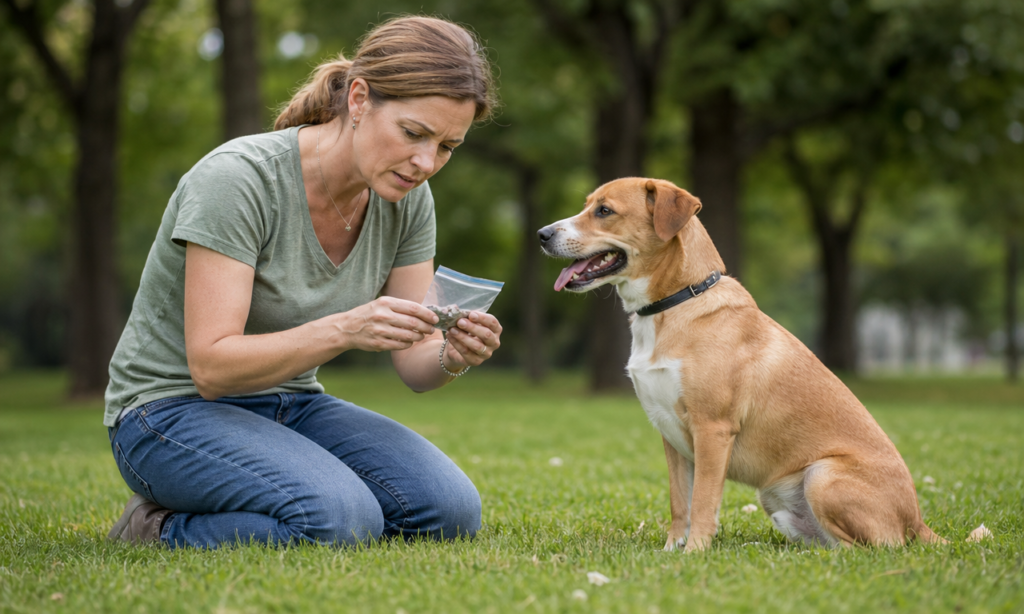
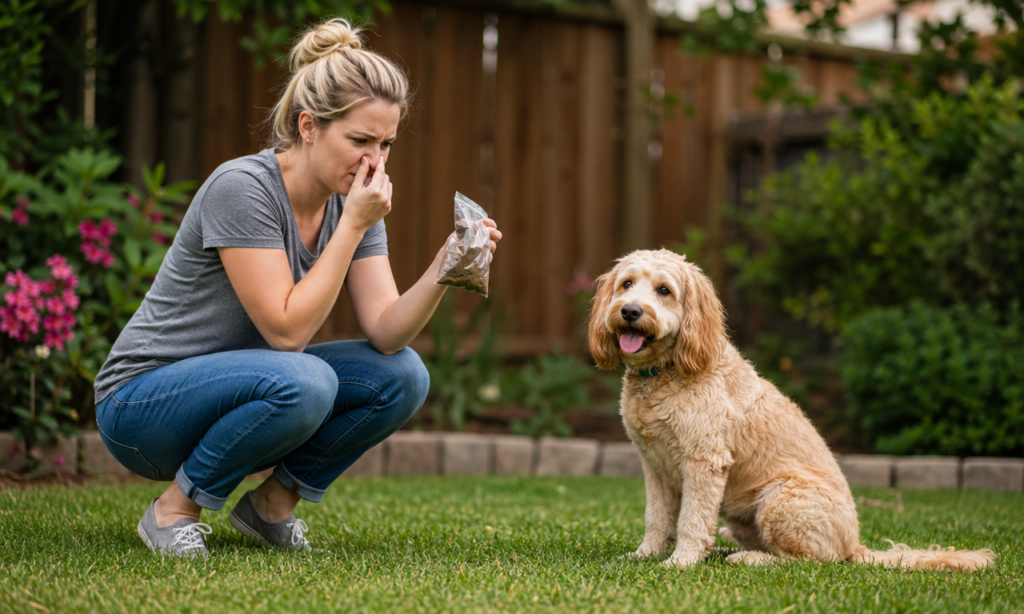
We’ve scooped thousands of yards across the Tri-Cities, and one question comes up more often than you’d think: can people actually get sick from dog poop? The short answer is yes. Diseases from dog poop are real, ranging from intestinal parasites to bacterial infections that can affect anyone in your household, especially kids who play in the yard.
Dog waste isn’t just gross or smelly. It’s a genuine public health concern that carries pathogens capable of surviving in soil for months or even years. Whether you have one dog or three, understanding what’s actually in that pile helps you take it seriously without panicking.
We’re not veterinarians, but after years of cleaning backyards, we’ve learned a lot about why prompt cleanup matters beyond just aesthetics. This guide breaks down the specific diseases from dog poop that can affect humans, how transmission happens, and what you can actually do about it.
The short answer
Yes, humans can contract several diseases from dog poop. The most common include roundworm (toxocariasis), hookworm, giardia, campylobacter, salmonella, E. coli, and cryptosporidium. Children, pregnant women, and anyone with a weakened immune system face higher risk.
Transmission typically occurs through accidental ingestion of contaminated soil or water, not direct contact with fresh waste.
The good news: regular cleanup, basic hygiene, and common-sense precautions dramatically reduce your risk. Let’s break down exactly what you’re dealing with.
Understanding diseases from dog poop and why they’re more common than you think
Dog waste contains millions of bacteria, viruses, and parasite eggs per gram. A single gram of dog feces can harbor 23 million fecal coliform bacteria, according to the EPA. When waste sits in your yard, rain washes these pathogens into soil and groundwater.
Kids playing in backyards touch contaminated grass and dirt, then put hands in their mouths. Adults garden without gloves. Dogs track microscopic particles indoors on their paws. Before you know it, what started outside has made its way into your home.
The pathogens in dog waste don’t die quickly. Roundworm eggs can survive in soil for years, remaining infectious through seasons of rain, snow, and sun. This persistence means old waste can be just as dangerous as fresh deposits.
In neighborhoods where cleanup is inconsistent, contamination builds up. We’ve seen yards where months of accumulated waste created genuine health hazards, especially in areas where kids play or families garden.
The reality is that diseases from dog poop spread silently through communities. You can’t see the microscopic eggs, bacteria, or parasite cysts contaminating your lawn. The yard looks fine, but invisible threats lurk in the soil beneath the grass.
Temperature changes don’t eliminate the problem either. Many pathogens survive freezing winters and hot summers. They wait in dormant states until conditions allow them to infect a new host.

Roundworm (Toxocariasis): the most common threat
Roundworms are intestinal parasites that live in dogs’ digestive systems. An infected dog sheds microscopic eggs in every bowel movement—sometimes millions of eggs daily. These eggs become infectious within 2-4 weeks and can survive in soil for years.
Humans contract toxocariasis by accidentally ingesting these eggs, usually through contaminated soil on hands, vegetables, or objects. Children under five face the highest risk because they play in dirt and frequently put hands and objects in their mouths.
Most human infections cause no symptoms or mild flu-like illness. However, roundworm larvae can migrate through the body, causing:
- Ocular larva migrans (eye damage, potentially leading to vision loss)
- Visceral larva migrans (liver, lung, or central nervous system damage)
- Fever, cough, and abdominal pain
- Neurological symptoms in severe cases
The CDC estimates millions of Americans are exposed to roundworm eggs annually. Regular deworming of your dog and prompt poop removal are your best defenses.
If you’re in the Tri-Cities and want consistent weekly cleanup, our scooping plans ensure waste doesn’t sit long enough for eggs to become infectious.
Roundworm infection represents one of the most preventable yet widespread diseases from dog poop. The eggs require time in the environment to develop, which means timely waste removal interrupts the lifecycle before they become dangerous.
Hookworm infections and cutaneous larva migrans
Hookworms are another intestinal parasite common in dogs. While less prevalent than roundworm, hookworm larvae present a unique threat: they can penetrate human skin directly, no ingestion required.
When hookworm eggs hatch in contaminated soil, the larvae actively seek hosts. Walking barefoot through an infected yard or lying on contaminated grass can allow larvae to burrow into skin, causing cutaneous larva migrans.
This condition creates intensely itchy, red, winding tracks under the skin where larvae migrate. The rash typically appears on feet, legs, buttocks, or anywhere skin contacted contaminated soil.
While usually self-limiting (the larvae eventually die), it’s uncomfortable and can last weeks without treatment.
The simple prevention: shoes in the yard, especially in areas where dogs frequently defecate. Regular cleanup prevents larvae from establishing in soil in the first place.
Hookworm demonstrates how diseases from dog poop can bypass normal hygiene barriers. You don’t need to touch waste or forget to wash your hands—skin contact with contaminated soil is enough.
Bacterial diseases from dog poop: the invisible risk
Dog feces carry numerous bacteria that cause gastrointestinal illness in humans. Unlike parasites that require specific lifecycle stages to become infectious, many bacteria in fresh waste are immediately dangerous.
Bacterial contamination happens faster than most people realize. Within hours of a dog defecating in your yard, bacteria can spread to surrounding grass and soil. Rain accelerates the process, washing bacteria across wider areas.
Campylobacter: the leading cause of bacterial diarrhea
Campylobacter bacteria commonly live in dogs’ intestines without causing symptoms. Humans who ingest even tiny amounts can develop campylobacteriosis, characterized by severe diarrhea, cramping, fever, and nausea lasting a week or more.
Young children, elderly adults, and immunocompromised individuals risk serious complications, including temporary paralysis (Guillain-Barré syndrome) in rare cases. The bacteria spread easily through contaminated water, soil, and surfaces.
You don’t need to consume large amounts of bacteria to get sick. A few campylobacter cells transferred from contaminated hands to your mouth can trigger infection. This makes hand hygiene critical after any yard work or outdoor play.
Salmonella and E. coli
Both salmonella and pathogenic strains of E. coli can colonize dogs’ digestive systems and shed in feces. Human infections cause similar symptoms: diarrhea (sometimes bloody), vomiting, fever, and abdominal cramps.
Most people recover within a week, but young children and vulnerable populations can develop life-threatening complications like hemolytic uremic syndrome (HUS) from certain E. coli strains.
These bacteria contaminate hands, gardening tools, vegetables grown in contaminated soil, and water sources. A study from the University of California found that urban runoff contaminated with dog waste significantly elevates bacteria levels in local waterways—a topic we covered in our article on dog poop and water pollution.
The environmental persistence of these bacteria means that even after visible waste disappears, contamination remains. Bacterial populations can actually grow in soil under the right temperature and moisture conditions.
Giardia: the persistent parasite
Giardia is a single-celled parasite that infects both dogs and humans, causing giardiasis. Dogs shed infectious cysts in their stool, which can survive for weeks in cool, moist environments like yards, parks, and puddles.
Humans contract giardia by ingesting the cysts, usually through contaminated water or hand-to-mouth contact after touching infected soil or surfaces. Symptoms include:
- Severe, watery diarrhea
- Gas, bloating, and stomach cramps
- Nausea and dehydration
- Weight loss in prolonged infections
Giardia infections can persist for weeks without treatment and require prescription medication. The parasite is chlorine-resistant, which is why it occasionally contaminates municipal water supplies.
Preventing giardia exposure requires removing dog waste before rain can spread cysts through your yard and into puddles where kids or pets might play. This is especially important during spring cleanup season, when accumulated winter waste poses concentrated risk.
Among the various diseases from dog poop, giardia stands out for its environmental resilience. The cysts remain viable in cold water, puddles, and moist soil far longer than many other pathogens.
Cryptosporidium: a chlorine-resistant threat
Cryptosporidium is another microscopic parasite shed in dog feces. Like giardia, it causes severe diarrhea and stomach illness in humans—but it’s even tougher to kill.
Crypto oocysts resist chlorine disinfection and can survive in properly treated swimming pools and drinking water.
Outbreaks of cryptosporidiosis typically trace back to contaminated water, but direct environmental exposure also occurs. The parasite is particularly dangerous for immunocompromised individuals, in whom it can cause chronic, life-threatening diarrhea.
Healthy adults usually recover within two weeks, but the illness is miserable: profuse watery diarrhea, severe cramping, nausea, and dehydration. Young children face higher risk of severe symptoms and complications.
Because crypto is so resilient, prevention focuses on source control: removing waste promptly before rain washes oocysts into soil and water. This is one reason municipalities and HOAs increasingly enforce dog waste ordinances—it’s not just about neighborhood aesthetics.
The extreme durability of cryptosporidium makes it one of the most concerning diseases from dog poop from a public health perspective. Standard disinfection methods that kill most bacteria have no effect on crypto oocysts.
How diseases from dog poop actually spread to humans
Understanding transmission routes helps you protect yourself effectively. Most diseases from dog poop don’t spread through casual proximity to waste. Instead, infection requires specific pathways:
Hand-to-mouth transmission
This is the primary route for most intestinal parasites and bacteria. Microscopic eggs, cysts, or bacteria transfer from contaminated soil to hands, then into the mouth. It happens when:
- Children play in yards or sandboxes where dogs have defecated
- Adults garden without gloves in contaminated soil
- Anyone touches shoes, tools, or outdoor objects then touches their face
- Dogs track waste particles indoors on paws and fur
You don’t need to see or smell anything wrong. A yard can look perfectly clean while harboring invisible pathogens in the soil.
The hand-to-mouth route explains why children suffer disproportionately from diseases from dog poop. Their natural exploratory behavior and developing hygiene habits create frequent opportunities for pathogen transfer.
Contaminated water and food
Rain washes bacteria and parasites from dog waste into groundwater, wells, creeks, and storm drains. This contaminated water can then:
- Seep into private wells used for drinking water
- Create contaminated puddles where children play
- Irrigate vegetable gardens, contaminating produce
- Flow into recreational waterways where people swim
Vegetables grown in soil contaminated by dog waste or irrigated with contaminated water can harbor parasite eggs and bacteria even after washing.
Direct skin contact (hookworm only)
Hookworm larvae actively penetrate skin, making them unique among common diseases from dog poop. This happens when bare skin contacts contaminated soil—walking barefoot, sitting on grass, or lying on a blanket in an infected yard.
Aerosol transmission (rare)
While uncommon, some bacteria can become airborne when dried dog waste is disturbed. Mowing over dried feces or using a leaf blower in a contaminated yard can aerosolize particles.
This is one reason we recommend removing waste before lawn maintenance.
Aerosol transmission represents a less-recognized pathway for diseases from dog poop. While rare, it demonstrates how yard maintenance practices can inadvertently increase exposure risk when waste hasn’t been removed.

Who’s most at risk for diseases from dog poop?
While anyone can contract infections from contaminated dog waste, certain groups face higher risk of exposure or severe illness:
Young children
Kids under five are most vulnerable. They play directly on grass and dirt, frequently put hands and objects in their mouths, and have less developed immune systems.
Toddlers exploring backyards or playing in sandboxes face constant exposure to contaminated soil.
Children’s natural curiosity leads them to touch everything, dig in dirt, and explore grass on hands and knees. These behaviors maximize contact with soil where pathogens concentrate. Combined with immature immune systems, young children suffer more severe infections from the same pathogen levels that might cause mild illness in adults.
Pregnant women
Some parasitic infections can complicate pregnancy or affect fetal development. While toxoplasmosis (from cat feces) gets more attention, infections like giardia can cause severe dehydration and malnutrition during pregnancy.
Dehydration from diarrheal illness poses particular risks during pregnancy, potentially affecting amniotic fluid levels and fetal development. Pregnant women should avoid all contact with dog waste and contaminated soil.
Immunocompromised individuals
People with weakened immune systems—from HIV/AIDS, cancer treatment, organ transplants, or immune disorders—can develop severe, chronic infections from pathogens that cause mild illness in healthy adults.
Cryptosporidium and campylobacter pose particular risks.
For immunocompromised individuals, diseases from dog poop that healthy people clear within days can persist for weeks or months, causing dangerous complications. These individuals require extra environmental precautions.
Elderly adults
Older adults often have less robust immune responses and underlying health conditions that make bacterial and parasitic infections more dangerous. Dehydration from diarrheal illness poses serious risk.
Age-related changes in stomach acid production and immune function increase susceptibility to bacterial infections. Chronic conditions common in elderly populations can worsen dramatically when complicated by parasitic or bacterial illness.
Dog owners and service workers
People who regularly handle dog waste—whether cleaning their own yards or professionally—face higher cumulative exposure. Proper hygiene practices become essential.
After years in this business, we never handle waste without gloves and always wash thoroughly afterward.
Occupational exposure to diseases from dog poop requires consistent protective measures. We’ve learned that complacency is the biggest risk—getting careless because you handle waste regularly without immediate consequences.
Practical prevention: reducing your risk
You don’t need to panic about diseases from dog poop, but you should take them seriously. Here’s what actually works:
Pick up waste immediately
The single most effective prevention is removing feces before pathogens establish in your environment. Fresh waste poses less risk than waste that’s sat for days or weeks, allowing eggs to embryonate and larvae to develop.
We recommend daily pickup if possible. If that’s unrealistic, at least twice weekly.
Our weekly and bi-weekly scooping plans ensure waste doesn’t accumulate long enough to create health hazards. We service yards year-round across Kennewick, Pasco, and Richland, with text reminders before arrival and a gate photo after every visit so you know it’s done.
Prompt removal is the cornerstone of preventing diseases from dog poop. Every day waste remains in your yard increases the pathogen load in your soil and the likelihood of human exposure.
Maintain good hygiene
Simple habits dramatically reduce transmission risk:
- Always wash hands after yard work, playing outside, or touching anything that contacted soil
- Wear gloves when gardening or handling waste
- Keep kids’ hands and toys clean, especially after outdoor play
- Don’t eat or drink while doing yard work
- Clean and disinfect tools, shoes, and outdoor equipment regularly
Hand hygiene creates a critical barrier against diseases from dog poop. Washing with soap and water for at least 20 seconds removes the microscopic eggs and bacteria that cause infection. Hand sanitizer doesn’t work as well on parasite eggs—you need mechanical removal with soap and running water.
Create designated dog areas
If possible, establish specific bathroom zones away from play areas, gardens, and high-traffic sections of your yard. This concentrates contamination in areas where children don’t play and you don’t grow food.
Some families use backyard waste stations with designated gravel or mulch areas that are easier to clean and less likely to harbor parasites than grass and soil.
Strategic zoning reduces exposure to diseases from dog poop by keeping high-contamination areas separated from high-contact areas. Gravel or mulch surfaces don’t support parasite development as well as soil does.
Maintain your dog’s health
Regular veterinary care reduces the pathogens your dog sheds:
- Follow your vet’s recommended deworming schedule
- Keep vaccinations current
- Get annual fecal tests to check for parasites
- Address diarrhea or digestive issues promptly
- Feed high-quality food and maintain good nutrition
Healthy dogs shed fewer pathogens, though even perfectly healthy dogs can carry and transmit parasites and bacteria without showing symptoms.
Preventive veterinary care interrupts the cycle of diseases from dog poop at the source. Deworming eliminates parasites before your dog sheds millions of eggs into your yard.
Protect water sources
Never let waste accumulate near wells, drainage ditches, or natural waterways. Rain will wash contaminants directly into water supplies.
This is especially important if you have a private well or live near creeks and storm drains.
Water contamination can spread diseases from dog poop far beyond your property. A single backyard’s accumulated waste can affect downstream water quality for entire neighborhoods.
Dispose of waste properly
Bag waste securely and dispose of it in trash, not compost (unless you have a specialized pet waste composting system that reaches temperatures high enough to kill pathogens).
Never leave bagged waste sitting in your yard—it defeats the purpose of picking up in the first place.
If flies are an issue around your disposal area, check out our guide on keeping flies away from dog poop.
Special considerations for families with young children
If you have toddlers or young kids who play in your yard, extra precautions make sense:
Designate play areas away from where your dog typically goes. Use mulch, play mats, or designated play structures to create cleaner zones. Inspect these areas daily for any waste your dog deposited overnight or during unsupervised time.
Teach children never to touch dog poop and always wash hands after being outside. Make handwashing a non-negotiable routine after outdoor play, before meals, and before touching their faces.
Consider more frequent cleanup during seasons when kids are outside most. Spring and summer mean more outdoor play, which should mean more diligent waste removal.
If you’re tackling accumulated waste from winter, our article on spring yard cleanup has specific strategies.
Sandboxes require special attention. Dogs often see them as ideal bathroom spots. Keep sandboxes covered when not in use, inspect before play, and consider fencing them off from dog access entirely.
Parents should monitor toddlers closely during outdoor play. Young children don’t understand the connection between touching contaminated soil and getting sick. Direct supervision helps prevent the hand-to-mouth transfers that spread diseases from dog poop.
Outdoor toys that contact grass or dirt should be cleaned regularly. Balls, shovels, buckets, and ride-on toys can all transfer contamination from yard to hands to mouth.
What to do if you suspect exposure
If you think someone in your household was exposed to contaminated dog waste—maybe a child put dirty hands in their mouth or someone has symptoms after working in the yard—here’s what to do:
Watch for symptoms over the next few days to weeks. Different diseases from dog poop have different incubation periods. Bacterial infections typically cause symptoms within 1-3 days, while parasitic infections might take 1-2 weeks to manifest.
Common symptoms that warrant medical attention include:
- Persistent diarrhea (especially bloody or lasting more than 2-3 days)
- Severe abdominal pain or cramping
- Fever above 101.5°F
- Signs of dehydration (dry mouth, decreased urination, dizziness)
- Unusual skin rashes or itchy tracks under the skin
- Vision changes or eye pain (rare but serious)
See a doctor and mention the potential exposure. Many diseases from dog poop require specific tests to diagnose—routine testing won’t detect them.
Your physician needs to know about the exposure to order appropriate stool tests, blood work, or other diagnostics.
Don’t attempt to self-diagnose or treat. While many infections resolve on their own, some require specific antibiotics or antiparasitic medications. Severe dehydration from diarrheal illness can be dangerous, especially in children and elderly adults.
Keep detailed records of symptoms, timing, and potential exposure events. This information helps healthcare providers narrow diagnostic testing and choose appropriate treatments.
The role of regular cleanup in disease prevention
We’ve seen the difference consistent cleanup makes. Yards we service weekly stay visibly cleaner, smell better, and carry lower health risks than yards where waste accumulates for weeks or months.
Regular removal prevents the buildup of infectious material in soil. Roundworm eggs don’t get a chance to embryonate, bacteria populations stay lower, and parasite contamination doesn’t compound over time.
For busy families, maintaining this consistency is challenging. Between work, kids, and everything else, yard cleanup gets pushed to “when we have time.” That’s literally why our business exists.
We offer flexible scheduling—weekly, bi-weekly, or monthly cleanups depending on how many dogs you have and how much they use the yard. Our crews service the Tri-Cities area year-round, including those cold Tri-Cities winters when the last thing you want to do is scoop frozen poop.
Online sign-up takes about two minutes at yourlocalscoop.com/services. We send a text before we arrive, clean the entire yard, and leave a gate photo so you know the job’s done.
No contracts, and we offer add-ons like yard deodorizing if odor is an issue.
For questions about how it works, our FAQ page covers common concerns about scheduling, pricing, and what to expect.
Consistent professional cleanup eliminates the primary source of diseases from dog poop before pathogens can establish in your yard’s ecosystem. It’s prevention at the most fundamental level.
Public health perspective: beyond your backyard
Individual yard cleanup protects your family, but collective behavior affects entire communities. When dog owners consistently pick up waste in parks, trails, and neighborhoods, everyone’s risk decreases.
The EPA and CDC both identify pet waste as a significant environmental pollutant and public health concern. Unlike wildlife waste, dog waste concentrates in areas where humans live and play.
A neighborhood with 100 dogs produces roughly 6,000 pounds of waste annually—all containing pathogens.
Many municipalities have responded with ordinances requiring pickup and imposing fines for violations. These aren’t just aesthetic rules; they’re public health measures based on real disease transmission data.
If you rent or live in an HOA community, waste management rules probably exist for this reason. Our post on HOA rules and dog poop explains the typical requirements and why enforcement matters.
Community-wide prevention of diseases from dog poop requires collective responsibility. Your neighbor’s accumulated waste can contaminate the storm drain that flows past your property, affecting water quality throughout the neighborhood.
Public parks face particular challenges. High dog traffic combined with inconsistent cleanup creates concentrated contamination in areas where children play. Many municipalities now require leash laws and designated dog areas partly to manage this health risk.
Common myths about diseases from dog poop
Let’s clear up some misconceptions we hear regularly:
Myth: Only direct contact with fresh poop is dangerous. False. Parasites and bacteria contaminate soil, grass, and water long after visible waste is gone. Old waste can be more dangerous than fresh because parasite eggs need time to become infectious.
Myth: My yard is big enough that waste just disappears safely. Pathogens don’t respect property lines. Rain washes contamination through your entire yard and into neighboring properties and waterways. Waste doesn’t biodegrade as quickly as you think—it can take a year or more.
Myth: Healthy-looking dogs don’t carry diseases. Many dogs harbor parasites and bacteria without showing any symptoms. They shed infectious organisms in every bowel movement while appearing perfectly healthy.
Myth: Freezing kills pathogens in dog waste. Most parasite eggs and many bacteria survive freezing just fine. They become dormant and resume infectivity when temperatures rise. Winter accumulation creates spring health hazards.
Myth: It’s just nature, like wild animal waste. Dog waste is more concentrated and contains different pathogens than wildlife scat. Dogs eat processed foods, live in close contact with humans, and defecate in high-traffic areas—creating unique risks.
Myth: Rain washes away the problem. Rain actually makes diseases from dog poop worse by spreading pathogens across larger areas and washing them into water sources. What starts as a concentrated pile becomes widespread contamination after a storm.
Moving forward: building better habits
Understanding diseases from dog poop shouldn’t make you paranoid, just appropriately cautious. The risks are real but manageable with consistent, practical habits.
Start with a simple routine: daily or twice-weekly cleanup, handwashing after yard work, and keeping high-traffic play areas clear. If you can’t maintain consistency yourself, hire help.
Professional scooping services cost less than most people expect and eliminate the procrastination problem.
Talk to your vet about your dog’s parasite prevention plan. Ensure deworming happens on schedule and annual fecal tests catch any infections early. This protects both your dog and your family.
Teach kids good hygiene without scaring them. Explain that dog poop has germs that can make people sick, so we always wash hands after playing outside. Make it routine, not frightening.
Consider your yard setup. If certain areas accumulate waste or kids play in contaminated zones, make changes. Simple barriers, designated dog areas, or better cleanup access can reduce exposure risk significantly.
Track your cleanup schedule. Use phone reminders, calendar alerts, or hire a service that texts you when it’s done. Consistency matters more than perfection—even imperfect regular cleanup beats sporadic thorough cleaning.
Educate family members about transmission routes. When everyone understands how diseases from dog poop spread, they naturally adopt protective behaviors like handwashing and wearing shoes outside.
Final thoughts from the field
After thousands of yards and countless conversations with Tri-Cities families, we’ve learned that most people underestimate the health risks of accumulated dog waste. It’s easy to put off cleanup, especially when you’re busy or the weather’s bad.
But diseases from dog poop are preventable. You don’t need medical expertise or expensive interventions—just consistent removal and basic hygiene. Whether you handle cleanup yourself or bring in help, the important thing is that it gets done regularly.
Your yard should be a safe place for kids to play, for barbecues, for bare feet in summer grass. Regular waste removal keeps it that way. The few minutes or dollars spent on cleanup are worth avoiding even one parasitic infection or bacterial illness.
If health concerns or busy schedules make DIY cleanup unrealistic, we’re here to help. We built our business around solving exactly this problem for Tri-Cities families who want clean, healthy yards without the hassle.
The bottom line: diseases from dog poop pose genuine health risks, but they’re among the most preventable environmental health hazards you face. Simple, consistent action protects your family effectively.
Don’t let guilt or overwhelm stop you from taking action. Whether you start with better handwashing habits, more frequent pickup, or hiring professional help, any improvement reduces risk. Small steps compound into significant protection over time.
Rather never scoop again?
That is literally our job. Scheduled cleanups across Kennewick, Pasco & Richland – text reminders before, gate photo after, no contracts.