Spotted orange dog poop in the yard and wondering whether your dog ate something funky or there’s a real problem? Orange dog poop is one of the less-common color shifts and usually traces back to 5 specific causes — most of them harmless and diet-related. Here’s the practical breakdown of orange dog poop reasons, when the color matters, and how to tell harmless from concerning.

What orange dog poop typically looks like
Orange covers a range:
- Bright orange. Almost neon. Usually dietary (carrots, sweet potato, food dyes).
- Orange-brown / rust. Slight orange tint to otherwise normal brown stool. Bile-related more often.
- Yellow-orange. Borderline yellow stool. See our yellow dog poop guide.
- Patchy orange. Sections of orange in otherwise normal stool. Often undigested food.
Note the shade and whether it covers the whole stool or just parts. That narrows the cause.
The 5 best reasons for orange dog poop
1. Diet (most common — carrots, sweet potato, pumpkin)
Bright orange dog poop is most often diet-related. The same beta-carotene pigments that make these vegetables orange pass through digestion and color the stool.
Common dietary triggers:
- Sweet potato (a common ingredient in grain-free kibble)
- Carrots (raw or cooked treats)
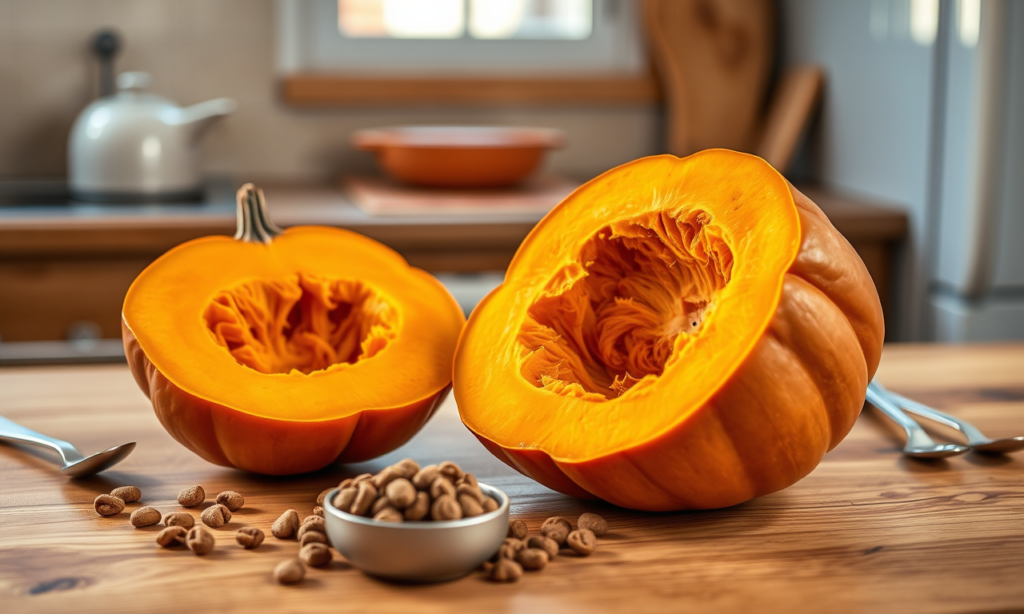
- Pumpkin (often added for fiber)
- Squash varieties
- Foods with orange artificial coloring (some commercial treats)
Resolves on its own within 1-2 stools after removing the trigger. Not concerning if your dog acts normal otherwise.
2. Bile flow rate variations
Bile normally turns stool brown. When bile moves too quickly through the gut (rapid transit) or there’s less bile than normal, stool can shift toward yellow-orange.
Common with:
- Mild stress diarrhea
- Recent diet change (gut still adjusting)
- Mild gastric upset
Usually resolves within 24-48 hours. If accompanied by loose stool, see our diarrhea guide.
3. Liver or gallbladder issues
The more serious differential. When liver function is reduced or bile production is impaired, stool can shift toward orange or pale.
Watch for these additional signs:
- Yellow tinge to gums or eyes (jaundice)
- Lethargy
- Reduced appetite
- Vomiting (sometimes yellow bile)
- Increased thirst and urination
Persistent orange dog poop alongside any of these = vet visit within 24-48 hours.
4. Rapid GI transit / undigested food
When food moves too quickly through the gut, bile doesn’t have time to fully color the stool. Result: orange or yellow-tinted stool with sometimes-visible food chunks.
Common triggers:
- Stress (boarding, travel, vet visits)
- Food intolerance or sensitivity
- Mild GI infection
- Recent antibiotic course — see our antibiotics guide
Usually self-resolves in 2-5 days as the gut settles.
5. Medication or supplement effects
Some medications and supplements turn stool orange:
- Iron supplements at high doses
- Some prescription liver-support medications
- Certain anti-diarrheal medications (rare in dogs)
- Beta-carotene supplements
- Carotenoid-rich joint supplements
If you recently started any new medication or supplement, that’s likely the cause. Mention to vet at the next visit.
When the orange color is NORMAL vs CONCERNING
NORMAL patterns:
- Single orange stool after a pumpkin or sweet potato meal
- Brief 1-2 day orange tint during diet transition
- Orange tint while on a new supplement
- Dog acting completely normal otherwise
CONCERNING patterns:
- Persistent orange dog poop for 3+ days without diet/medication change
- Orange + jaundice (yellow gums or eyes)
- Orange + lethargy, reduced appetite, or vomiting
- Orange + diarrhea past 48 hours
- Orange + weight loss over weeks
Single weird-color stool with normal behavior = monitor. Symptom cluster = vet visit.
What to do at home for mild orange-tinted stool
Four-step monitoring approach:
- Note diet from the past 24 hours. Most cases trace to a recent meal.
- Watch the next 2-3 stools. Pattern matters more than single observation.
- Check overall behavior. Energy, appetite, water intake — all normal? Probably fine.
- Photo if you’re worried. Useful at the vet visit if escalation needed.
For broader color context, see our color chart covering every color you might see.
Diagnostics at the vet for persistent orange stool
If escalation is warranted, expect:
- Bloodwork. Liver enzymes, complete blood count, chemistry panel.
- Fecal exam. Rule out parasites or fat malabsorption.
- Bile acid test. If liver disease is suspected.
- Abdominal ultrasound. Visual check of liver, gallbladder, pancreas.
The AAHA canine life stage guidelines cover broader wellness recommendations for chronic GI symptoms.
Orange-tinted stool in puppies vs adults vs seniors
Different life stages give the symptom different weight:
- Puppies: Usually diet-related. Common when starting new foods.
- Adults: Standard differential — diet, bile, medication, or rare liver issue.
- Seniors: Higher concern for liver/gallbladder issues. Quicker vet escalation justified.
Seniors with new persistent orange stool deserve faster vet attention than young adults.
Diet adjustments for recurring orange-tinted stool
If orange stool keeps appearing despite no obvious dietary trigger:
- Audit treats and supplements for orange-pigment sources
- Reduce sweet potato / pumpkin temporarily to see if it resolves
- Switch protein source if you suspect mild intolerance
- Add probiotic for gut flora support — see our probiotics guide
Most diet-related orange stool resolves within a week of identifying the trigger.
Comparing orange to other unusual stool colors
| Color | Most likely cause |
|---|---|
| Orange | Diet (carrots/sweet potato) or bile flow |
| Yellow | Bile imbalance — see yellow guide |
| Green | Grass eating or gallbladder issue |
| White / chalky | High bone diet or EPI |
| Gray | Pancreatic issue or bile problem |
| Black tarry | Upper-GI bleeding — see melena guide |
| Red streaks | Lower-GI bleeding |
Track color patterns over multiple stools to identify shifts vs single outliers.
FAQ
How long does orange dog poop persist after eating carrots? Usually 1-2 stools (24-36 hours) for the carotenoid pigment to clear.
Is orange dog poop ever an emergency? Rarely on its own. Orange + jaundice or severe lethargy = same-day vet.
Can stress alone cause orange dog poop? Yes — rapid transit from stress reduces bile-coloring time. Usually resolves with the stress.
What if my dog eats pumpkin daily? Then you may see chronic mild orange tint. That’s expected and not concerning.
Does orange dog poop signal liver disease most of the time? No — liver disease is rarer than dietary causes. But persistent orange + other symptoms warrants vet workup.
Bottom line
Orange dog poop has 5 best-known causes: diet (carrots, sweet potato, pumpkin), bile flow variation, liver/gallbladder issues, rapid GI transit, and medication effects. Single bright-orange stool after a pumpkin meal = almost certainly diet. Persistent orange stool with jaundice, lethargy, vomiting, or weight loss = vet visit. Track diet for 24 hours, monitor 2-3 stools, and note any combined symptoms before deciding on escalation.
This article is general information, not veterinary advice. If your dog is sick, talk to your vet.