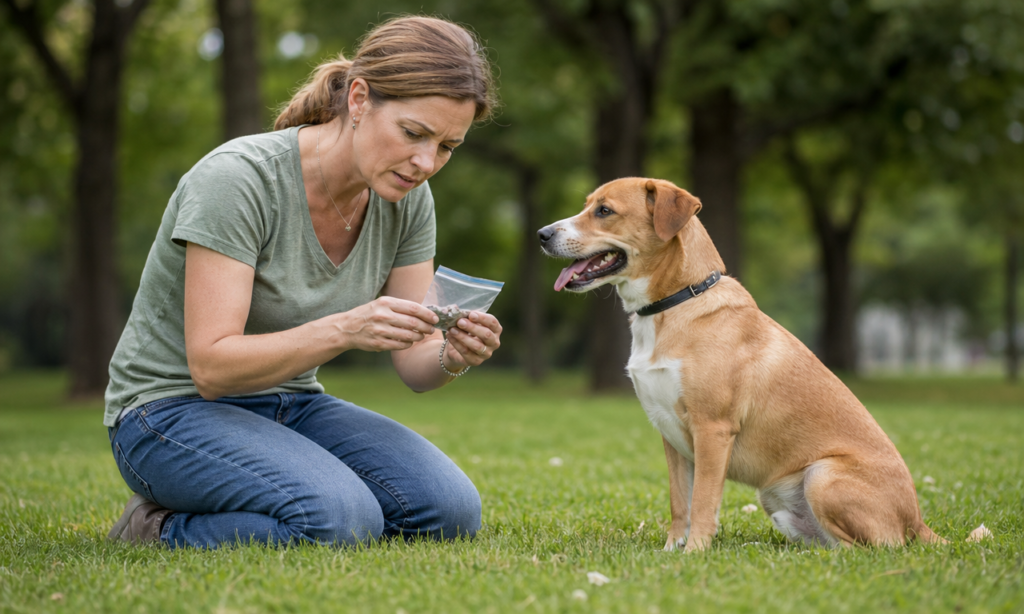
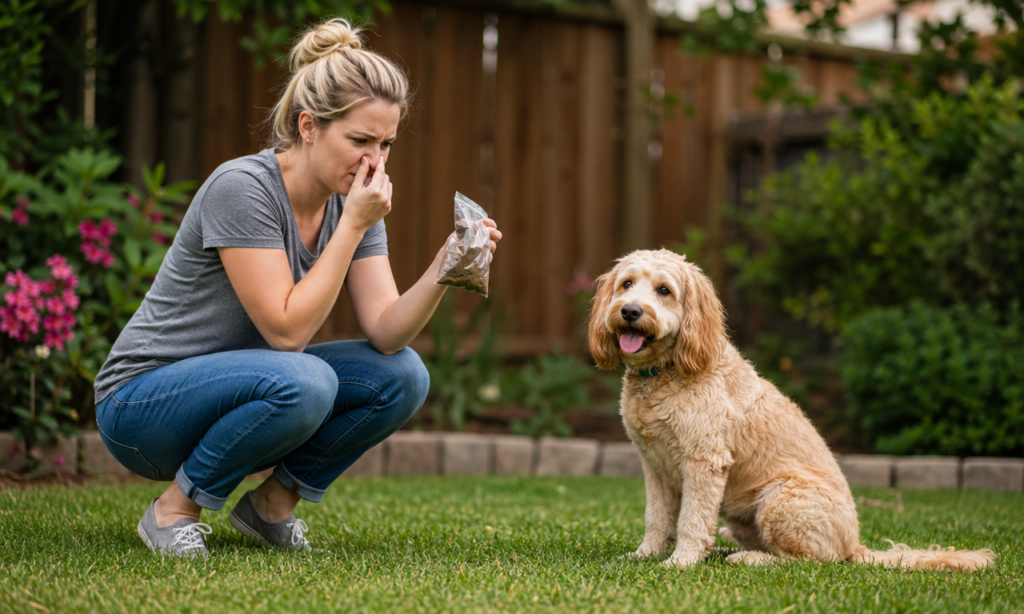
Noticing senior dog poop changes in your aging companion and wondering what’s normal versus what needs vet attention? Senior dog poop changes are extremely common — color shifts, frequency changes, consistency variations all happen as the GI system ages. The trick is knowing which changes are normal aging vs which signal real health issues. Here are the 5 best things to watch for in senior dog poop changes, with action thresholds for each.

What “senior” actually means for dogs
Most vets consider these age thresholds:
- Small breeds (under 20 lbs): senior at 9-10 years
- Medium breeds (20-50 lbs): senior at 7-8 years
- Large breeds (50-90 lbs): senior at 6-7 years
- Giant breeds (90+ lbs): senior at 5-6 years
These thresholds matter because GI changes start gradually, often before you notice. Knowing your dog is “senior” lets you watch proactively.
The 5 best senior dog poop changes to watch for
1. Reduced frequency
Senior dogs often shift from 2-3 daily bowel movements to 1-2. This is usually normal — slower GI transit + slightly reduced food intake = less stool.
Action threshold: more than 36 hours without a bowel movement = check in. See our holding capacity guide for the broader normal range.
Diet/management tips:
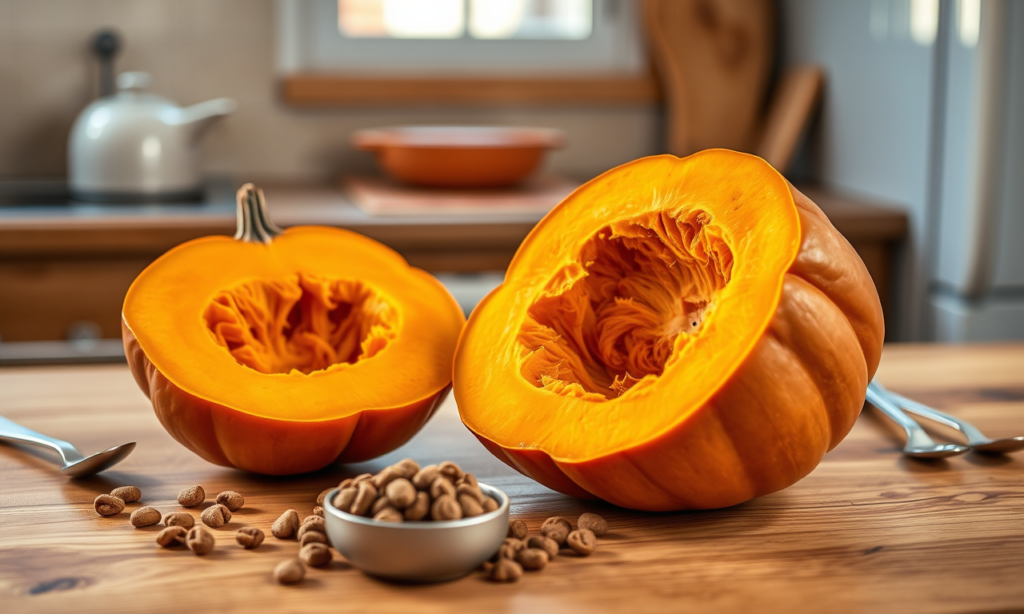
- Add 1-2 tsp pumpkin to meals — helps regularity
- Maintain consistent meal timing (gut motility appreciates routine)
- Increase walks slightly if mobility allows
2. Firmer or harder stool
Slower hydration absorption + less water intake in seniors often produces firmer stool. Mild firming is normal; rock-hard pellets are not.
If stool moves toward Bristol Type 1-2 territory (see our Bristol scale guide), the dog may be constipated or under-hydrated.
Fixes:
- Encourage water (pet fountain, multiple bowls, low-sodium broth)
- Add pumpkin or moisture-rich foods (some wet food in the mix)
- Senior-formula kibbles often have higher fiber for this reason
3. Increased softness or occasional diarrhea
The opposite issue — some seniors develop loose stool as gut bacteria balance shifts and digestive enzyme production drops.
Manageable causes:
- Diet sensitivity emerging late in life
- Antibiotic course aftermath
- Stress (changes at home, new pet, schedule shifts)
If it’s persistent or matched with weight loss, see our diarrhea guide for the red flags.
4. Color shifts
Senior dog poop changes include color drift over time. Slight darkening or lightening within normal brown range is fine. Sharp color shifts deserve attention.
- Black tarry stool: Upper-GI bleeding. Always vet-worthy. See our melena guide.
- Pale or gray stool: Possible liver/bile issue. Worth vet check in seniors.
- Yellow stool: See our yellow stool guide.
- Fresh blood: See our blood in stool guide.
Track color shifts over multiple bowel movements before reacting — single outlier days are normal.
5. Mucus or coating changes
Increased mucus on senior dog stool can signal mild chronic colitis (common in older dogs) or anal gland issues. See our mucus guide for the specifics.
Worth investigating if mucus appears in 3+ consecutive bowel movements. Often manageable with diet adjustments and probiotic supplementation.
What’s NORMAL with senior dog poop changes
Don’t panic about these:
- Slightly fewer bowel movements per day (down from 2-3 to 1-2)
- Mildly firmer stool
- Slight color variation between days within brown range
- Occasional skipped day (every 30-36 hours)
- Slightly smaller stool volume (matches reduced appetite)
These reflect normal aging, not disease.
What’s CONCERNING with senior dog poop changes
Six patterns that warrant a vet visit:
- Skipping 48+ hours without producing stool — possible constipation or obstruction
- Persistent loose stool past 72 hours — chronic GI issue
- Blood (fresh or digested) in stool — never normal at any age
- Sudden weight loss alongside changes — possible malabsorption or chronic illness
- Straining with little or no production — see our straining guide
- New incontinence — losing bladder/bowel control in a previously housetrained dog
These deserve same-week vet attention.
Senior diet adjustments that help
Three commonly-recommended adjustments:
- Senior-formula kibble. Lower calorie, higher fiber, joint support additives. Switch gradually over 10-14 days.
- Probiotic supplements. FortiFlora or similar — most senior dogs benefit. See our probiotics guide.
- Smaller, more frequent meals. 3 meals/day instead of 2 reduces digestive load.
Some seniors also benefit from limited-ingredient diets or veterinary therapeutic formulas if they have specific issues.
Tracking senior dog poop changes
Practical tracking for senior dog owners:
- Daily mental note. Bristol Scale score + color observation per stool.
- Weekly trend check. Pattern in mind every Sunday — anything trending wrong?
- Photo log if any concerns. One photo = useful at next vet visit.
- Annual wellness fecal exam. Senior dogs need annual stool checks even without visible issues.
The AAHA senior care guidelines recommend specific wellness check intervals for senior dogs — useful reference for what to ask the vet to include in annual visits.
When senior dog poop changes signal serious disease
Three serious conditions that often present with stool changes in seniors:
- Inflammatory bowel disease (IBD). Chronic loose stool, mucus, sometimes blood.
- Pancreatitis. Loose pale stool, vomiting, abdominal pain.
- GI cancer. Progressive weight loss, persistent stool changes, decreased appetite.
None of these are common at the rate of normal aging. But all are worth ruling out when chronic stool changes appear in seniors. Early diagnosis matters for treatment success.
Comfort and quality-of-life considerations
For senior dogs with mobility limitations:
- Walk to outdoor potty spots gently. Don’t expect long walks.
- Provide indoor potty option if needed. Pet-safe puppy pads or potty grass.
- Watch for arthritis affecting elimination posture. Some seniors strain because squatting hurts. Joint supplements help.
- Don’t shame accidents. Some seniors lose timing reliability. Manage with frequent outings.
FAQ
Should my senior dog’s stool change suddenly? No — changes are usually gradual. Sudden changes deserve vet attention.
Is fewer bowel movements always bad? No — some seniors naturally go from 3 to 1 daily. Less is fine if stool quality is good.
Are senior-specific stool supplements worth it? Probiotics yes; brand-name “senior digestive” blends often aren’t more effective than basic plain options.
How often should I take my senior dog to the vet? Twice yearly is standard for seniors vs annually for adults. AAHA agrees.
What about home euthanasia decisions related to GI failure? Quality of life conversation with vet when chronic stool failure + weight loss + reduced energy combine. Not common; not your default fear.
Bottom line
Senior dog poop changes are common and mostly manageable. The 5 best things to watch for: reduced frequency, firmer or softer stool, color shifts, and mucus increases. Most can be addressed with diet adjustments (pumpkin, senior formula, probiotics) and increased hydration. Watch for red flags: 48+ hours without stool, persistent loose stool, blood, sudden weight loss, or new incontinence. Annual wellness fecal exams + twice-yearly vet visits catch most serious issues early.
This article is general information, not veterinary advice. If your dog is sick, talk to your vet.